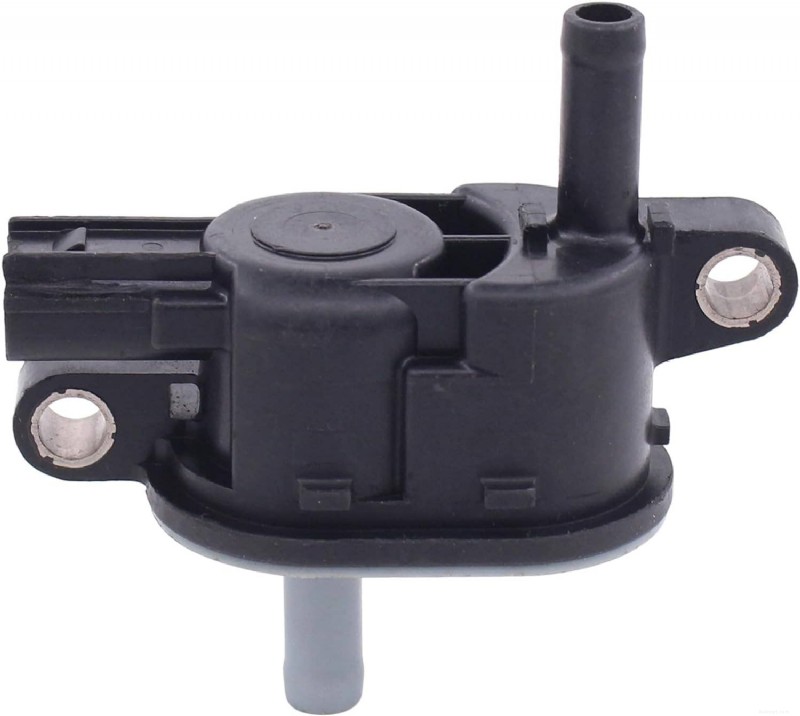
The P0443 code indicates that your vehicle’s engine control module (ECM) has detected that there is an electrical malfunction in the purge control valve circuit, which is part of the EVAP (Evaporative Emission Control) system. This system prevents fuel vapors from escaping into the atmosphere by containing and storing them, and then routing them to the engine to be burned. When the ECM cannot properly control the EVAP system’s purge valve (below), it triggers the P0443 code, often seen on vehicles such as Ford, Chevrolet, Toyota, Hyundai, and others.
This engine code is another example of a generic or universal diagnostic trouble code (DTC), which has the same basic meaning and definition on all vehicles built from 1996 onward and with an OBD-II or European EOBD onboard diagnostic system. This means that P0443 on Ford vehicles has the same meaning as it would have on a BMW, Porsche, or Chevy.
The EVAP system’s purge control valve opens at specific times to redirect fuel vapors from the system’s charcoal canister into the intake manifold for the engine to burn. The ECM controls this valve electronically based on various inputs, and if the ECM detects no circuit response, a high resistance, or a short, it will log the P0443 code.
Most vehicles will still drive normally with this code active, but you may notice the following symptoms:
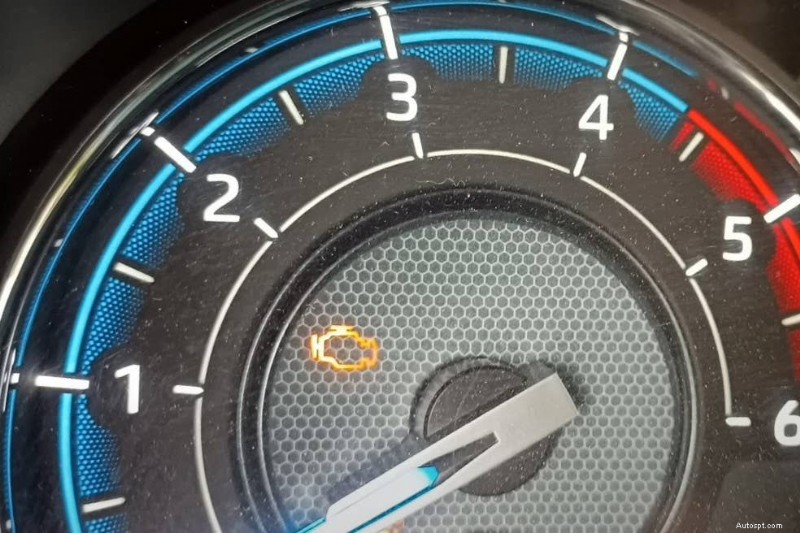
There are usually no major performance issues noticeable, since this problem mostly affects emissions rather than the combustion process or engine operation.
A technician or DIYer can take the following steps:
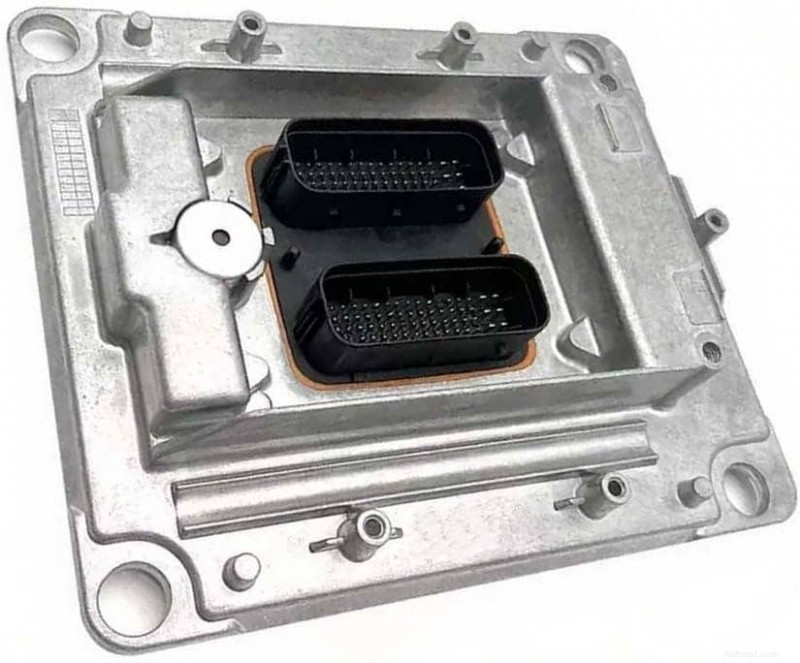
A: Start by testing and likely replacing the EVAP purge valve first, as this is most often the culprit. If it checks out fine, inspect the wiring and electrical connectors for damage.
A: Yes, the vehicle will typically be perfectly drivable and display no symptoms except for the illuminated Check Engine Light, but the emissions may be higher, and this may cause the vehicle to fail a smog test.
A: Yes, the purge valve is usually fairly easy to access, and replacement is often a fairly easy DIY job that doesn’t take much longer than about 10 to 20 minutes.
A: It may cause a slight increase in fuel consumption due to fuel escaping via uncontained fuel vapors, but there should be no noticeable loss in engine performance. Your vehicle is likely to fail its emissions test, though.