
A towed car can be expensive to get back. Whether you want your car or not, it’s helpful to understand the rules and regulations behind it all as knowledge can make a stressful time a bit easier to deal with. So, let’s tackle some of the more common information about a towed car so that you’re armed with enough information to handle the situation in the future.
There are several reasons that your car may have been towed, otherwise referred to as “impounded”:
Of course, there can be reasons specific to an individual city as to why your car was towed. However, the above are some of the more common reasons.
When your car has been towed and you don’t know where it is, first you need to look around for any signs. If there’s a “No Parking” sign or “Tow Zone” sign, there should be a number listed to call. Otherwise, you can call the police station (not 911).
Finding your car when towed by the city tends to be easier since you should always receive a letter in the mail explaining everything such as when the car was towed and where it was taken to. There are also instances where your car may wind up in a private impound lot instead. In that case, then you can call around at local lots or you can go online and visit their websites.
Remember that many impound lots may require information from you before telling you anything about your vehicle. This is to prove you actually own the vehicle in question. So, there’s a high chance that you’ll need your VIN number as well as other information such as the make and model.
If you don’t know it, you can always check the registration, title, insurance, or even the receipts from a car repair shop if you have them.
When a car is towed unexpectedly, you may very well have items inside that you need to get out. How you get them back can depend largely on your state and city laws.
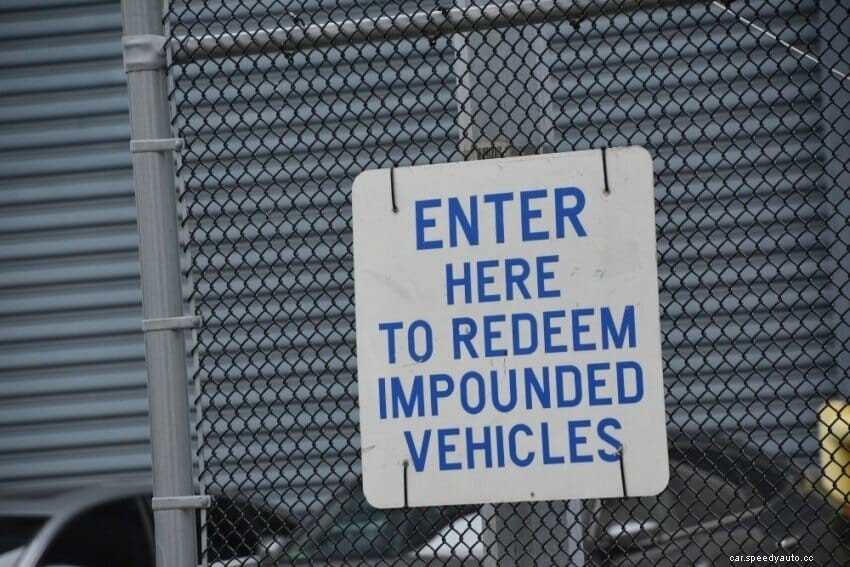
In some areas, the impound lot must give you back any personal property that isn’t attached to the vehicle. Meaning, if you have installed a radio, you can’t retrieve the radio. However, if you have bags of items in the car or trunk, they must let you come and take those items.
Other areas state that if you are low-income, then you can receive all of your personal property free of charge. If you cannot prove that you’re low-income, then the impound lot can charge a fee for giving you back your items.
To know for sure what you may encounter, it’s best to search for specific laws and regulations in your area. Sometimes, if you can get your items back but the impound lot is refusing, you can contact the non-emergency number for your local police station and explain the situation for further assistance.
Generally, only the owner of the vehicle can come and retrieve personal property inside the car. However, exceptions can be made if someone else can prove that they own some of the items. For instance, a friend or relative may have left their medicine in the car, and if they bring their ID and it matches the name on the medicine, they can take it out.
Once you have found your car, you can work on the process of getting it out. Always be aware that there will be fees you must pay to retrieve your car. You aren’t obligated to get your car out for free.
If you want to get your car back, then you must pay off all the fees. The most typical fees you’ll see from a towing company are the following:
Sometimes, you might have to pay off any parking or traffic fines first as well before you can receive the vehicle.
The only way you can receive your car besides paying the fees is by having the right documentation. You generally have to bring this paperwork:
If you don’t pick up your vehicle, there are a number of things that can occur depending on the specific impound lot it’s in. You have a certain amount of days before your towed car is no longer yours. Some give you 30 days, while others may give you 45.
Once you’ve passed the deadline, then anything can happen to your vehicle. It can be given to an auto auction lot. The owner of the impound lot may opt to scrap the vehicle, sell it as is, or even sell it for parts. They can do what they wish with it to cover the fees racked up.
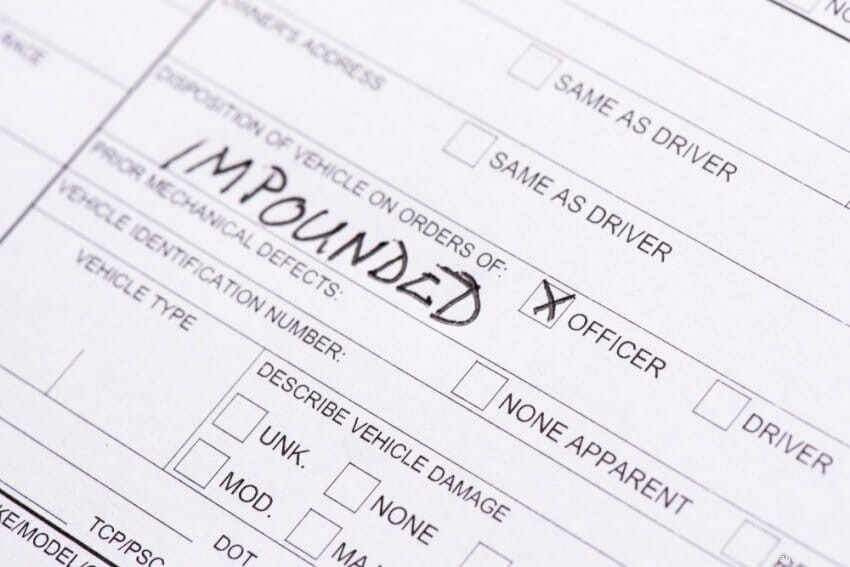
Some may give you what’s left after all the fees are covered. Others may not. Again, it depends largely on the specific impound lots and their rules.
The one thing you don’t want to do if your car was towed is panic. Keep a clear mind as you go through the process of finding out where the car is and how long you have to get it back if you want to. If you believe you have been illegally towed, be sure to document the location (take pictures) to make your case.
You can check out these articles on towing to know more:
AAA Towing Rules – Breakdown of Towing Policy
How Does The Tow/Haul Button Work?
What Are Tow Hooks and How Should You Use Them?
