
As the summer and lawn mowing season comes around, you may have some old gasoline from last season that needs to be thrown out. You can’t just dump that in your garbage can and call it a day. There’s a protocol and process to dispose of old gasoline properly. So if you need to get rid of last year’s gasoline, here are some ways to do just that.
Before disposing of any gasoline that you come across, first determine if it’s still useable. Grab two glass containers and in one container pour a small amount of the old gasoline. In the other container, put in new gasoline as a comparison. The older gasoline may have a sour smell and also look darker than the new gasoline.
Of course, you shouldn’t lean over the jar and inhale the scent. Just like in your high school chemistry class, hold the container and waft the odor towards you with your hand. That way you’re not inhaling the chemicals which could make you lightheaded. If you see anything in the gasoline itself, like dirt, rust, or any floating particles, then it would be ill-advised to use the gasoline.
Remember that anything in the gasoline will end up being circulated in whatever engine you put it in. Of course, there are gasoline filters in modern engines, but it’s not worth the risk of something getting through and causing damage.
While smaller 2 cycle engines and lawn equipment will struggle more with old gasoline, a car’s engine is capable of running older gasoline. Now that doesn’t mean you should pour gallons and gallons of old gasoline into your car’s tank, but it can be mixed in smaller doses. Before doing that, make sure you have a decent amount of gas in the vehicle’s tank.
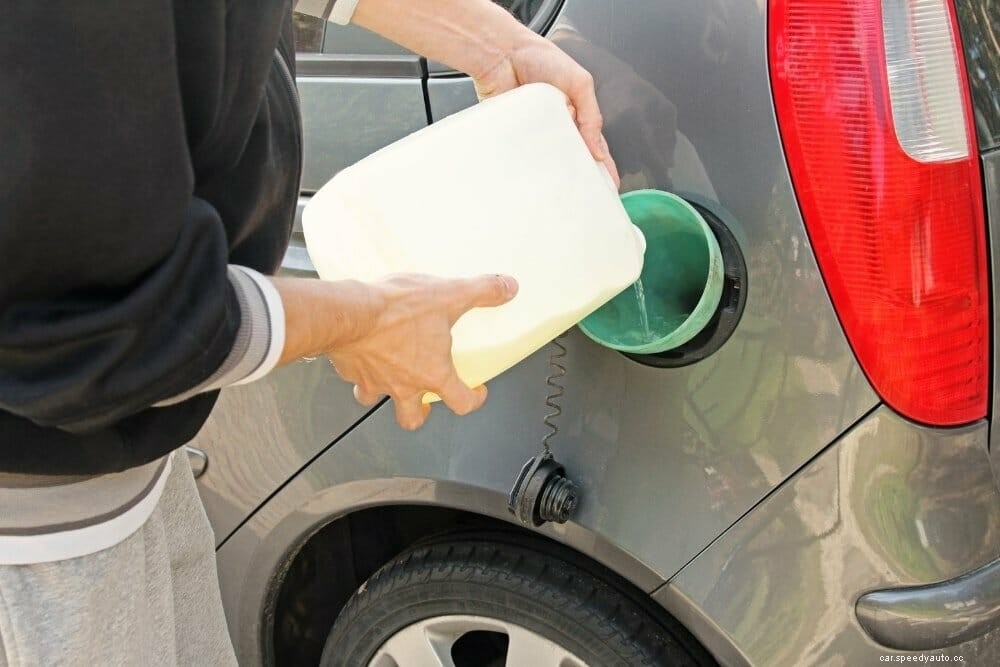
As a rule of thumb for a smaller vehicle tank, with at least 75% full, you can add a 1/2 gallon of old gasoline. For larger tanks, as in anything over 12 gallons, you can add 3/4 of a gallon. Keeping in mind that older gas can cause starting issues and cause engines to run rough if too much is added.
This is why you don’t use this type of gasoline in smaller engines as it can cause more issues than in a car engine. The way to think of that is that adding a 1/2 gallon of older gasoline to a tank that only holds two gallons will cause a lot more issues than a tank that holds 10 gallons. The older gasoline is more easily diluted in a larger tank than it would be in a smaller one.
The issue is not only in trying to get an engine to turnover, but also older gasoline can clog fuel injectors, and inhibit the amount of gasoline that gets to the engine. When in doubt, don’t use the gasoline and dispose of it in another way.
If you have determined that the gasoline just isn’t useable or you have an engine you don’t want to risk, then disposing of the gasoline is another option. Depending on where you live, there are different options and also requirements for disposing of hazardous materials. To check for your particular location, you can start with an online search to see what organization handles hazardous waste disposal in your area.
Your local waste management department might also be able to help. In fact, you can call whichever company picks up your trash and they might be able to direct you to someone that handles hazardous materials. Another option is of course to call the non-emergency or information line for the local fire department. Fire departments are well versed in handling hazardous material and should be a good resource to help you out.
As mentioned previously if you just have a small amount of gasoline, it’s ok to try to use it wisely or dispose of it. However, if you have a large amount of gas, such as a car that has been sitting around, then you’ll have to be more cautious. Always remember that gasoline is toxic and flammable, so you want to handle it very carefully.
To empty the car gasoline tank, you will need to siphon the gas and put it in appropriate receptacles. Another important tip is to make sure that you are only using containers that are certified for holding and transporting gasoline. Not only should they be made of approved materials, but they should have lids that fit securely and potentially have some sort of locking mechanism.
You don’t want to be driving gasoline containers to a collection facility and end up with gasoline all over the trunk or bed of your vehicle. Don’t use old milk containers or margarine containers to try to transport gasoline. Gasoline can break down plastics that aren’t approved for transportation or storage and create an even bigger hazard.
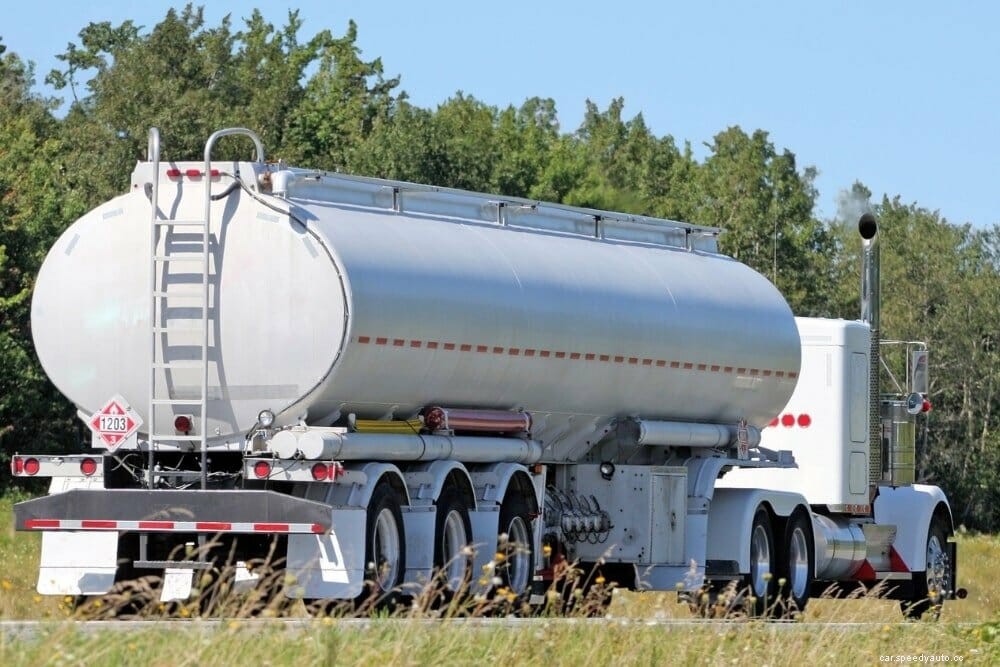
Approved and solid containers are necessary for any hazardous material and especially so for gasoline. When it comes time for you to pour gas or siphon it from a tank, you should have some protective materials on hand. Make sure you are wearing gloves anytime you handle any hazardous materials.
Rubber gloves or gloves made out of nitrile are good choices as they aren’t porous, allowing the gasoline to seep through. Cloth or cotton-type gloves can get saturated with gasoline and cause another problem than just the gasoline itself. You also want to make sure that you are using safety goggles, preferably ones that seal to your face to prevent any kind of splashback.
As for your clothes, an apron or a mechanics jumpsuit are good options to keep the gasoline off your regular clothes. Keep in mind that any clothes that get gasoline spilled on them should be washed separately to get the chemicals out prior to wearing them again. Basically, you want to prevent the gasoline from getting on your skin or in your eyes or mouth.
It’s also important to work in an area with good ventilation, whether that’s your garage with the door and windows open or working in your driveway. Gasoline fumes can be toxic just like the liquid itself, so it’s important to have proper ventilation and protect yourself.
Since gasoline is toxic and flammable, old gasoline should never just be poured out. It is illegal to pour gasoline out, rather than in an approved container. You can’t pour it out in your lawn, down the sink, or in any storm sewer system. The problem is that the gasoline will leech into water tables or pollute areas where it is poured.
Gasoline can also be extremely harmful to local wildlife and violators can face large fines if disposing of hazardous material improperly. You also can’t just throw a container of gasoline in the garbage for the same reasons. Your trash collection service generally isn’t certified or equipped to handle toxic materials so it’s important to take them to the proper centers for disposal.
Gasoline is defined as a hazardous material, but the general homeowner, if using proper handling and disposal techniques can handle it safely. One way to avoid all these issues is to make sure you only buy and use the gasoline you have each season. That way you won’t have any extra gasoline to dispose of.
This might mean mowing your neighbor’s lawn or mowing your own lawn a couple of extra times in the season to make sure you use up all the gasoline. For a car maybe that means driving it more often to make sure that when you store it for the winter you only have to drain a very small amount of gasoline.
Whatever gasoline you end up handling, make sure that you are doing it as safely as possible and that you know and take it to the correct handling facility.
Find more interesting topics right here:
What Color Is Gasoline?
Why Is Gas Leaking From the Bottom of My Car?
What Problems Can A Loose Gas Cap Cause?
