
Keeping an eye on the temperature gauge while driving is vital, especially if you’re caught in a traffic jam or you’re driving uphill. If you’re wondering what makes the gauge go up and down as you drive, you’ve come to the right place. We’ll not only explain how the temperature gauge works, but also what you can do to keep your engine from overheating.
The temperature gauge goes up as the engine heats up, and continues to rise when the engine is under a lot of strain, like going uphill. Once the strain on the engine has passed, it will start to cool off and go back to its normal operating temperature.
The temperature gauge gives you an insight into the operating conditions of the engine. Next to the speedometer, it’s the second most important gauge in any vehicle with an internal combustion engine.
The gauge shows the temperature of the coolant running through the engine so you can act before the temperature extremes cause damage to the engine. The water pump pushes the coolant through the system, where it gets heated by the engine and cooled down by the radiator.
The thermostat is in charge of maintaining the optimal temperature and activating the radiator fan if the airflow isn’t effective enough. The coolant temperature sensor is located close to the thermostat and sends an electrical signal that is then converted into a gauge reading.
It’s important that you’re aware of what the normal temperature gauge movement range is. The temperature gauge starts is at the very bottom when the engine is cold because the minimum reading is usually set to 122 degrees Fahrenheit.
As you start driving, the internal combustion of the engine creates a lot of heat. Through thermal laws of physics, the heat of the engine is exchanged with the coolant in an attempt to equalize the temperature difference. The gauge will start to rise until the engine reaches its optimal running temperature – between 180 and 220 degrees Fahrenheit. Almost every car temperature gauge has a clearly marked spot to signify the optimal temperature.
Once you park the vehicle and turn off the ignition, the internal combustion will cease and the coolant will stop flowing. Because the coolant temperature sensor is located near the thermostat, it will cool faster than the coolant trapped inside the engine, and show a rapid decline in temperature.
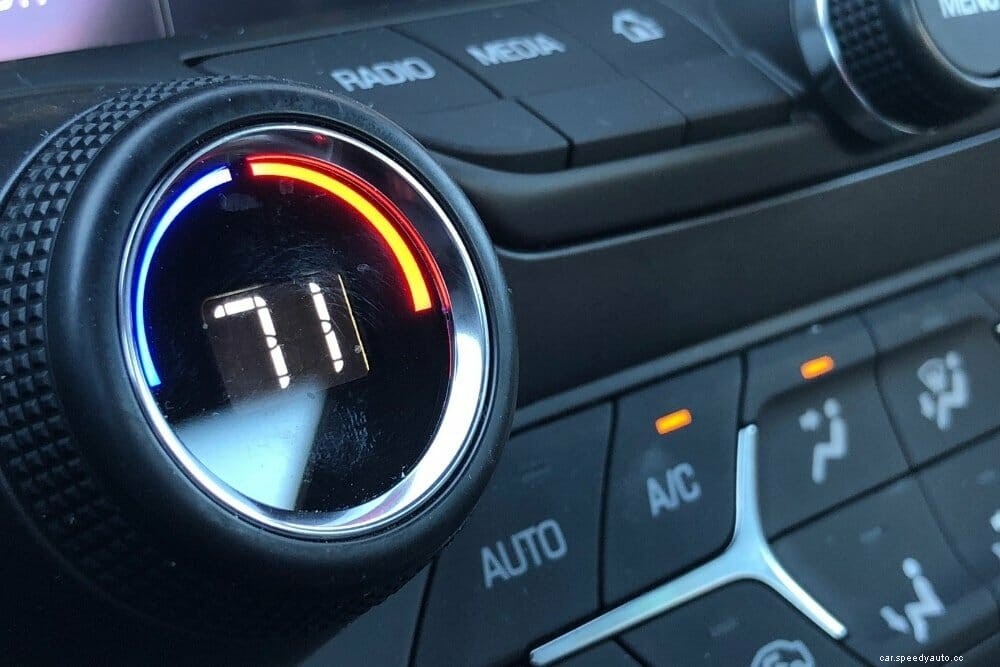
The temperature gauge positions explained are what happens in a mechanically healthy vehicle that is driven optimally. There are a number of reasons why the gauge might fluctuate, and in the next sections, we’ll go through all the reasons as to why that happens.
The car thermostat is an extremely simple device, acting as a valve between the engine and the radiator. The thermostat is temperature-sensitive, expanding to open the valve when exposed to heat, and shrinking when cold to prevent coolant circulation. It’s a brilliant system that uses synthetic wax, which is responsible for shrinking and expanding.
There are two main reasons why the temperature gauge will go higher than the optimal running temperature. The first is that you’re improperly driving uphill, and the second involves a problem with the coolant system.
Driving uphill creates an additional burden on the engine. Not only does it have to power the wheels and propel the vehicle forward, but it also has to overcome the incline. Remember how claiming a long flight of stairs or riding a bicycle uphill feels – the engine goes through the same when you’re driving uphill.
One of the first things my grandfather/driving instructor has taught me is how to tackle hills. In a car with a manual transmission, keep the car in a lower gear to push the RPM higher – 3,000 RPM in most vehicles, or half the distance between zero and redline.
The same applies to cars with automatic transmission, except you need to shift into the “3”, “2” or “L” positions to prevent the transmission from shifting up. We’ve covered this in more detail in an article titled: What Does “L” Mean on a Car’s Gear Shift?
Just because you’re pushing the RPM doesn’t mean you need to drive fast – the gear ratio will prevent that from happening. By increasing RPM, you’re making the water pump cycle coolant more quickly and prevent it from overheating. The engine also has more power in higher RPM, which means it will overcome the burden of going uphill more easily.
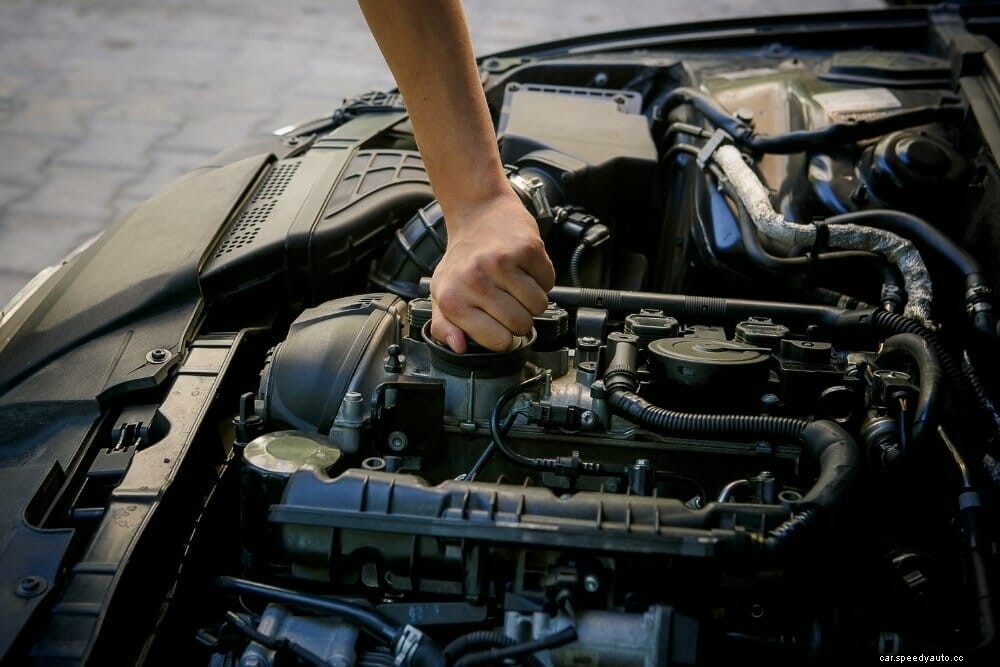
Lift the hood up and look for the coolant container. You can identify it as a plastic bottle with a steam warning mark on the cap. It also has coolant markings on the side, and a min & max gauge. If you’re not running it on water, the liquid inside will be blue, green, or red and smell of antifreeze.
If the amount of coolant has dropped below the minimum, open the cap and add more. You shouldn’t mix antifreeze colors, but mixing up brands is fine. If you want to add water, it’s better to use demineralized/distilled water as it doesn’t have any particles in it.
The steam warning is there for a reason – when the coolant is hot, it is pressurized and will burst out in a cloud of smoke and boiling-hot liquid, which can cause serious burns. Never open the coolant cap until you’re certain that the engine has cooled off sufficiently, and even then, throw a piece of cloth over the cap as a layer of protection. We’ve discussed how long you should wait for the engine to cool down in this article.
Water has a higher freezing and a lower boiling temperature when compared to antifreeze. As most vehicles operate at temperatures between 180 and 220 degrees Fahrenheit, water will provide a very low margin before it overheats. During winter, it’s even more serious. Water expands when it freezes and is strong enough to burst pipes, rupture the water pump, and even crack the engine block.
For this very reason, using a mixture of 50% distilled water and antifreeze is highly recommended. If you need to add more coolant while on the road, you can use water, just make sure an antifreeze tester before winter to determine the coolant’s temperature tolerances.
The water pump is responsible for driving the coolant through the cooling system. When it fails, the coolant will rapidly heat as it can’t be circulated away from the engine. The first signs are coolant leaks and whining noises coming from the pump, but a more serious failure will result in a quick rise of the temperature gauge.
The radiator is responsible for cooling down the coolant so it may endure another cycle through the engine. A clogged, rusty, or leaking radiator can lead to a temperature increase, so give it a thorough inspection before deciding whether it should be changed or serviced. We’ve covered all the ways to clean the radiator in the “How To Flush Your Radiator” article.
During the winter, the temperature gauge will take longer to climb to its regular spot. However, if it seems like it’s never going to reach that point, then there’s a problem with the thermostat. It has likely failed and stuck on open, so the coolant continues to circulate despite not reaching the optimal temperature. Driving with an engine that is too cold can lead to other failures and problems, so you should replace the thermostat as soon as possible.
It’s highly unusual for the gauge to fluctuate while you’re driving, but it can happen. There are four reasons why the gauge would go up and down:
The thermostat is supposed to expand and contract in response to the coolant temperature. The movement is self-regulated and when the thermostat works properly, the coolant will gradually reach the optimal temperature.
Before the thermostat fails entirely, it may open and close the valve too quickly, causing the coolant to fluctuate in temperature as it cannot settle. The result is a fluctuating temperature gauge which is actually reading the coolant temperature accurately.
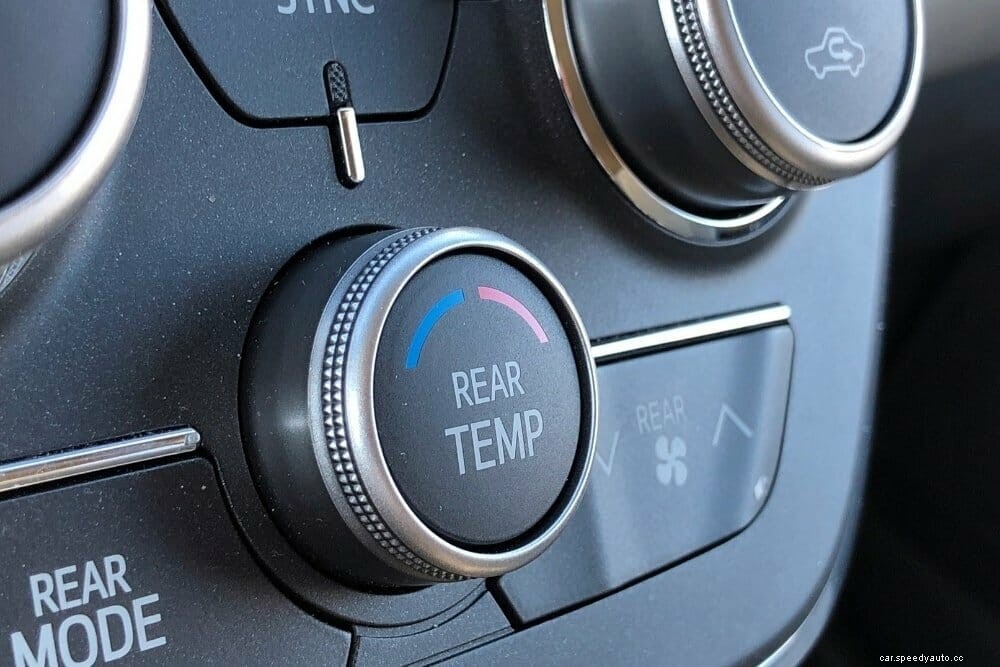
The coolant temperature sensor (CTS), is otherwise known as the engine coolant temperature sensor (ECTS). It receives a regulated voltage from the electronic control unit (ECU), with the resistance of the CTS dependent on the temperature. The resistance gives ECU the information on the coolant temperature, which is then sent to the temperature gauge. Malfunctioning CTS will not send accurate data, causing the temperature gauge to go up and down.
The temperature gauge itself being the problem is a very unlikely scenario. The swinging of the gauge like a pendulum or chess metronome is a clear indicator that there’s a problem with the gauge, but it could also be the ECU.
If the ECU starts causing problems, you’ll experience a number of problems before you even notice the temperature gauge. As it’s responsible for almost all electronic systems, it may even prevent you from starting the vehicle. This is a serious problem and you’ll need to consult with a professional on how to properly diagnose and solve the problem.
The labor cost of replacing a thermostat can go as high as $100, and considering how straightforward of a job it is, doing it yourself is a real money-saver.
You probably have most of the tools laying around your house – a funnel with a filter, some sort of a bucket, a flathead screwdriver, and a hose clamp.
| Image | Title | Price | Buy |
|---|---|---|---|
 | MotoRad 2067-195 Engine Coolant Thermostat | Buy Now | |
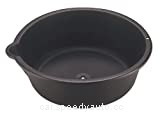 | Custom Accessories 31118 Oil Drain Pan | Buy Now | |
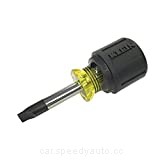 | Klein Tools 5/16-Inch Cabinet Tip Screwdriver 1-1/2-Inch 600-1 , Black , Small | Buy Now | |
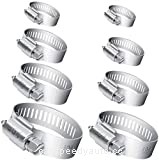 | Selizo 40Pcs Hose Clamp Including 7 Sizes Adjustable Pipe Tube Clamps 304 Stainless Steel Hose Clips | Buy Now | |
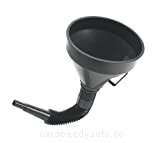 | TEKTON 6094 2-in-1 Funnel with Flex Extension, 40-Ounce | Buy Now |
The entire process takes 10-15 minutes and can be done by an amateur mechanic without any problems. When you’re done, just check how the engine runs and if the temperature stays within the optimal range before driving the car.
Replacing the coolant temperature sensor is as easy as unscrewing one bolt and screwing in another. You’ll see exactly what I mean once we get into the steps, but first, take a look at the list of tools you’ll need to get the job done.
| Image | Title | Price | Buy |
|---|---|---|---|
|
Top | Custom Accessories 31118 Oil Drain Pan | Buy Now | |
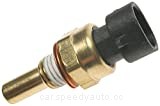 | ACDelco Professional 213-4514 Engine Coolant Temperature Sensor | Buy Now | |
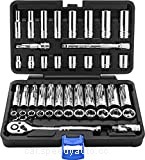 | EPAUTO 45 Pieces 3/8" Drive Socket Set with 72-Tooth Pear Head Ratchet | Buy Now | |
|
Top | TEKTON 6094 2-in-1 Funnel with Flex Extension, 40-Ounce | Buy Now |
If you know your way around the cramped engine bay, you can complete this job with minimum spillage in under 2 minutes. I’d still recommend taking your time because even if you lose some coolant, you can strain it and put it back into the system.
If acceleration is causing your temperature gauge to go up even slightly, you should have your vehicle inspected to find the cause. Coolant levels should remain normal even if you’re driving aggressively, so simple acceleration shouldn’t cause any change in temperature.
The only exception is if you’re accelerating while driving on a cold engine. Because the engine wants to heat up to its optimal running temperature, it will not be cooled as efficiently while you’re accelerating. However, you should never accelerate aggressively before it reaches the optimal temperature, otherwise, you’re risking engine damage.
It depends on the sensitivity of the gauge and measuring frequency. The coolant temperature is constantly adjusted, but if the temperature gauge provided real-time information, you’d be too distracted by looking at it.
Most gauges will stay perfectly still at the optimal running temperature, and you won’t notice any movement unless you’re driving uphill or if there’s a problem with the radiator system.
There are a number of signs to look for: the temperature reading will be higher or lower than normal, leaking coolant, heater malfunction, and rumbling noises from the engine bay.
Fluctuating temperature gauge is not a good sign but luckily, most causes are inexpensive and easy to fix. In this article, I’ve laid out all the reasons why the temperature gauge might move abnormally and explained how to fix the most probable causes. If you’ve learned something, then I strongly recommend browsing the Vehicle Freak website and learning more about your vehicle!
You may also find these posts insightful:
6 Reasons Your Car Is Overheating When Idle
Bad Radiator Cooling Fan Symptoms
Car Overheats When AC Is On and Idling: Causes and Solutions
