
A car battery is an important part of a vehicle. It provides the power that the engine needs to run. Most people know that a car battery dies when you leave your lights on or when it gets cold outside.
But what about when you’re driving? Can a car battery die while driving? In this article, we will explore that question and provide some answers.
A car battery is responsible for providing power to the engine. It creates an electrical current that starts the engine and powers all of the other systems in the car. When you’re driving, your car battery is working hard to keep everything running smoothly.
There are a few things that can happen to a car battery when you’re driving that can cause it to die. One common problem is when the alternator stops working properly. The alternator is responsible for keeping the battery charged, so if it fails, the battery will quickly lose its charge and die.
Another potential issue is with the starter motor. If it becomes worn or corroded, it may not be able to generate enough power to start the engine.
If your car battery dies while you’re driving, there are a few things that you can do to try and get it started again. One option is to jump-start the car using another battery. Another option is to call a tow truck and have the car towed to a mechanic.
It’s important to remember that a car battery is not designed to last forever. Depending on how often it’s used, it may only last for around three or four years. If you’re having trouble starting your car, or if the battery seems to be losing its charge more quickly than usual, it may be time for a new one.
So, can a car battery die while driving? The answer is yes. There are several things that can happen to a car battery while you’re driving that can cause it to die. If your car battery dies while you’re driving, there are a few things that you can do to try and get it started again.
However, it’s important to remember that a car battery is not designed to last forever, and may need to be replaced after a certain amount of time.
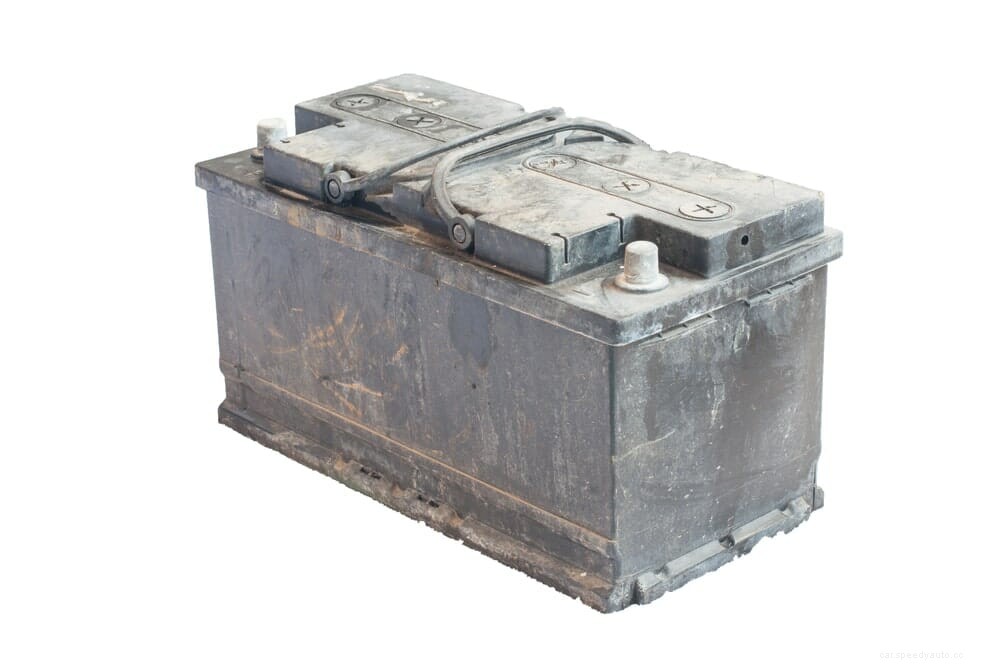
One of the first signs that your car battery is not working properly is if you hear a slow or fast ticking sound coming from underneath your hood. The noise comes from the cooling fan which should be spinning at high speeds to cool down the battery and maintain its performance level.
If it does not sound like this, there could be an issue with the alternator belt which should also make this same noise. The next warning sign is when your engine fails to start up, but all other electrical components are still working.
This means that there could be a problem with either the ignition coil, distributor cap, or spark plug wire(s) that are preventing current from reaching the starter motor. What’s worse is that if one goes out, they all go out.
If you suddenly hear a loud humming or buzzing noise coming from under the hood when you turn the ignition key, this is another sign of a bad battery because it could be grounding out somewhere when attempting to startup.
It may not always sound like this however and may also just make a click or no noise at all when trying to start the car. The solution, in either case, is to get your battery checked and/or replaced if necessary before taking off on any long trips because once it fails completely you will be stranded.
Finally, one last warning sign that your car battery needs replacing is dimming headlights or taillights while the engine is running and everything else (i.e radio) appears normal; although each problem can be caused by different problems.
This means that there is a drain on the car battery and it will not last as long as it should if you encounter multiple issues like this.
A car battery will die without warning when a parasitic drain drains it below a minimum voltage level. A parasitic draw is a continuous drain on the battery by an electronic device that slowly discharges the battery over time.
Electronic devices can be anything, from cell phone chargers to clocks, to laptop computers used in parked cars.
Many modern cars cut off access to power inside the car when the key is removed from the ignition. That doesn’t stop electricity from flowing, though.
The short life span of most modern cars is due in large part to the drain on the battery caused by all of these electronic devices that are plugged into it; it’s also why batteries tend not to last past 80,000 miles.
A parasitic draw can be relatively harmless (and easy to fix) or it may indicate a more serious problem. For example, water leaking into the battery casing will corrode the insides and destroy the battery quickly.
A faulty alternator with worn-out brushes will make extra demands on the car’s electrical system which drain its battery quickly.
Some people put their cars in “storage” mode, which disables many of these electronic devices when they are not being used. Disabling them is also simple; just unplug whatever is plugged into your cigarette lighter or power port before you remove the key from the ignition.
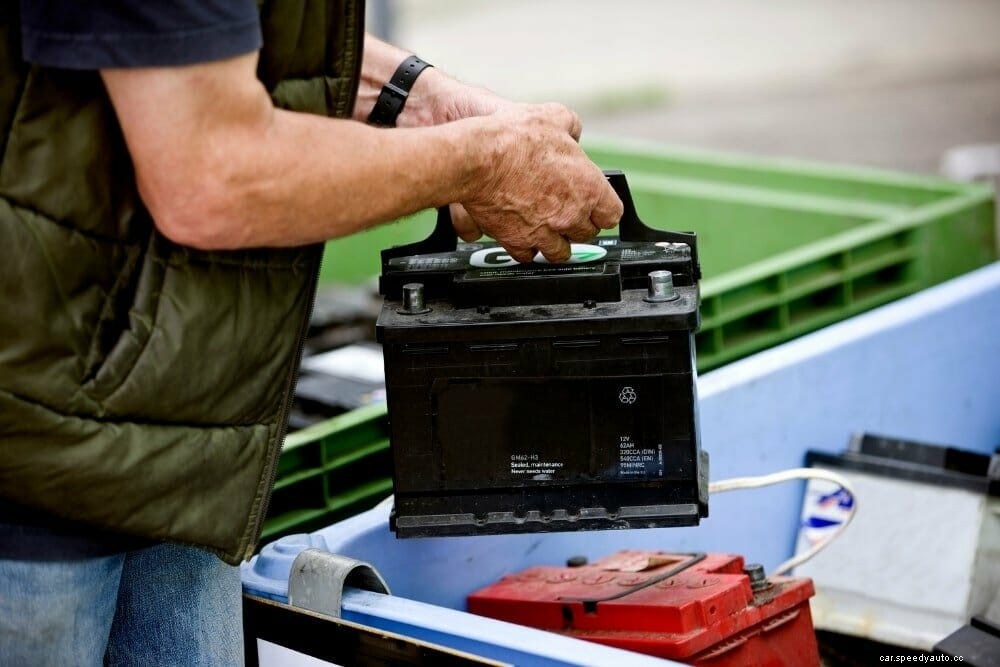
If that doesn’t stop the drain then you have bigger problems than a dead car battery, but it’s a good place to start. If you suspect this is happening to your car, the next step is to find out where the drain is coming from and unplug it.
You can check whether or not you have a parasitic draw by getting in the car and turning the ignition so that it starts up but does not crank (so do not actually crank ignition). Let it sit for several hours with at least one headlight on.
If your battery drains during that time then you most likely have a parasitic draw.
What happens if you don’t detect and fix that drain before getting into an accident? You could be liable for thousands of dollars of damage!
Here’s why: A broken starter may stop cranking because there is not enough power in your battery to turn the engine, so it won’t crank when you try to start it. The starter motor is normally directly powered by the car battery.
Common sense dictates that draining a car battery with only lights on would be very obvious and likely noticed before any damage occurs, but many people drive around without even having headlamps on at all (this is extremely dangerous!).
A faulty or weak alternator can also lead to this sort of problem; if an alternator fails in any way then the battery will be drained constantly.
This same basic principle applies to most cars made after 1980, although the specifics may vary slightly depending on make and model. If you are unsure about how to check or repair this, consult a knowledgeable mechanic.
If you have repeated problems with the battery on your car draining quickly, consider taking it to a new shop and getting some comparative quotes for new batteries, as well as having the parasitic draw problem checked out.
A car’s electrical system is very complex – there are lots of parts that all work together perfectly to make sure everything functions correctly. The alternator is responsible for charging the battery when the engine is running – this keeps it charged between uses and also powers other systems in your vehicle like headlights, stereo, wipers, etc.
When replacing your car’s battery you should always use a brand new one rather than recycling an old one. Old batteries are no longer fit for use, even if they were working fine previously.
You should also ensure that the new battery is the correct voltage – there are different voltages that can be fitted to your vehicle depending on the make and model.
Like other components in an engine, starters wear out over time and eventually need replacing. A faulty or weak alternator will impact the performance of any starter fitted to a modern vehicle, so it’s always best to have this checked if you experience problems with starting your car or find that it routinely needs jump starts or help from another vehicle to get going again.
If your car seems slow to start when cold then this could be due to a worn or failed starter motor.
The alternator is responsible for recharging the battery when the engine is running, powering electrical systems like headlights, radio, etc., and also powering the starter motor when you turn your key in the ignition to start up your car.
If your battery regularly drops below 12V then it may be time to get an alternator check done on your vehicle. This will identify any issues with your current charging system before you experience more serious problems with starting up or running down of power in your battery.
Investing in replacement components rather than repeatedly replacing batteries can save you money over time. A new car battery typically costs between $150-$250 while a full replacement alternator can be in the region of $400-$700 depending on the make and model.
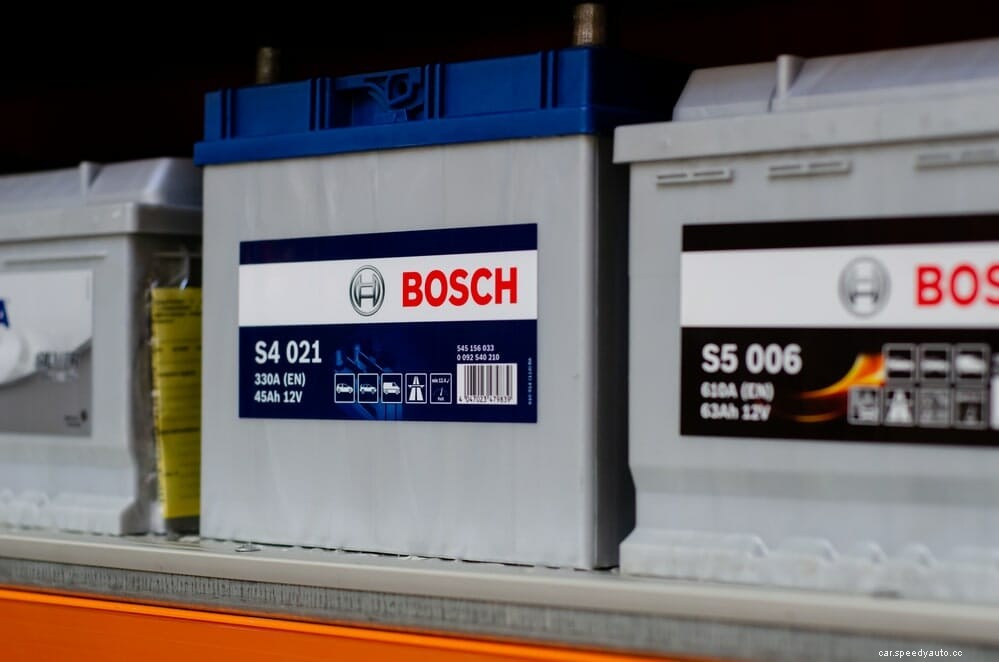
No, you should always use a brand new battery when replacing the battery in your car. Old batteries are no longer fit for use, even if they were working fine previously.
This depends on the make and model, but typically a car’s battery should be replaced every four to five years. If you’re experiencing problems with your battery draining quickly, or if it’s regularly requiring a jump start to get going, then it may be time for a new battery.
You can get your car’s battery replaced at most automotive stores – just take your car in for a check-up and they will advise you on the best type of battery to use. Some mechanics may also offer this service.
Yes, you can replace a car battery yourself if you have the appropriate tools and knowledge. However, it is always best to take your car in for a check-up with a qualified mechanic to identify any potential problems before replacing any components.
While buying a car battery, you should always mind the voltage and fitment for your specific make and model of car. Most batteries also come with a warranty, so be sure to check this before purchasing.
If you are experiencing problems with your car battery draining quickly, or if it’s regularly requiring a jump start to get going, then it may be worth investigating one of the possible causes – a broken starter, faulty alternator, or parasitic draw. Taking your car in for a check-up with a qualified mechanic can help identify any issues and save you money in the long run by preventing more serious damage from occurring.
Remember to always use brand-new batteries when replacing them in your vehicle and to ensure that the correct voltage is fitted for your specific make and model. And finally, don’t forget that regular maintenance like oil changes and tune-ups will also help keep your car running smoothly!
