
If you’ve ever had your oil sensor light come on it may have left you wondering, can you drive with a bad oil pressure sensor? Knowing how your vehicle works is the key to understanding the answers to these questions and figuring out if your vehicle is in desperate need of some professional help, or if you’re dealing with something you can quickly fix at home at a fraction of the cost.
In this article, we are going to be looking at what an oil pressure sensor does, common symptoms of faults and the do’s and don’t of driving with bad oil pressure sensors.
It is a well-known fact that oil is a vital component in any engine. It is used to lubricate and reduce friction damage throughout the engine, so without this, you could be left in a very tricky mess. Your vehicle will rely on an oil pressure sensor to tell you how much oil is being pumped through your vehicle using a simple electric switch to send data to the gauge on your dashboard.
When the oil pressure is no longer within your vehicle’s “normal” range it will send a warning signal and this is what lights up on your dash to let you know there is an issue that needs addressing.
There are several ways to detect if there are issues with your oil pressure sensor. The most common is the obvious oil pressure light. Many people panic when they initially see the light flashing on their dash as this makes them believe there is no oil in their engine which would lead to costly engine damage, but the only way to know for sure is to check your oil levels.
If this is not to blame, then you know there is another issue to blame.
If the oil pressure warning light is still on and your engine is running smoothly with a good amount of oil then you likely have a bad pressure sensor in your vehicle. This fault will cause your vehicle to present inaccurate readings of your oil, leading you to believe there is an issue when in fact there is nothing to worry about.
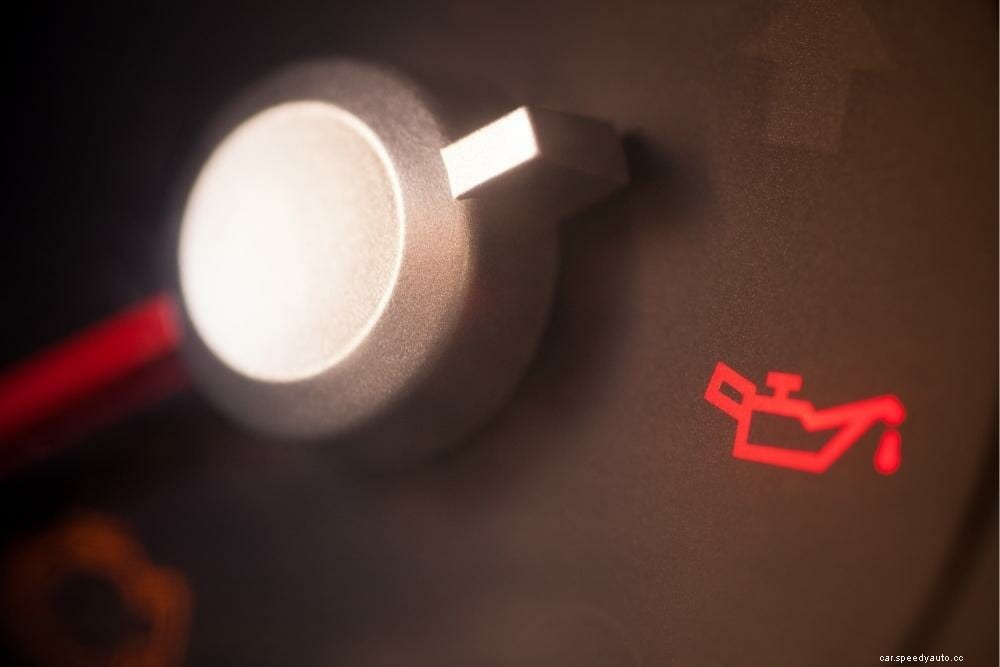
However, if your engine is not performing as expected and your oil levels are normal, then it’s likely the sensor light has come on for a very good reason and there is a more serious fault to blame such as a faulty oil pump.
If there are no issues with the pressure sensor, it could also be something such as your engine really needing oil. But if this happens frequently you should consider the likelihood of a leaking gasket or hose in your vehicle and seek immediate professional help.
With so many possibilities to blame for your bad oil pressure sensor, it is considered unsafe to drive until you can understand the real reason for its warning so you can assess the safety aspects of using the vehicle.
If you have established the root cause of your vehicle’s oil pressure sensor then you should consider your options before using your vehicle to ensure it is safe to do so without causing any unnecessary damage to your engine.
Many auto professionals will check your oil sensor for free to help identify the cause of your fault, but until you identify the reason for your bad oil pressure sensor you should drive slowly, pull over where safe and check your engines oil levels to make sure there are no leaks or serious implications.
Before attempting to drive your vehicle you should try to replace the sensor and see if this resolves your issues, otherwise seek advice from a trusted garage.
Before you risk running up a costly bill, you can try to change your car’s oil pressure sensor at home to see if this fixes your problems at a lower cost. You can find oil pressure sensors in most auto-stores and online for anywhere from $5-$10 apiece.
Oil pressure sensors can be located in several places in your engine, but often it is easier to look in your vehicle handbook or have a quick look online to find the specific location of your make and models oil pressure sensor beforehand to prevent any stress.
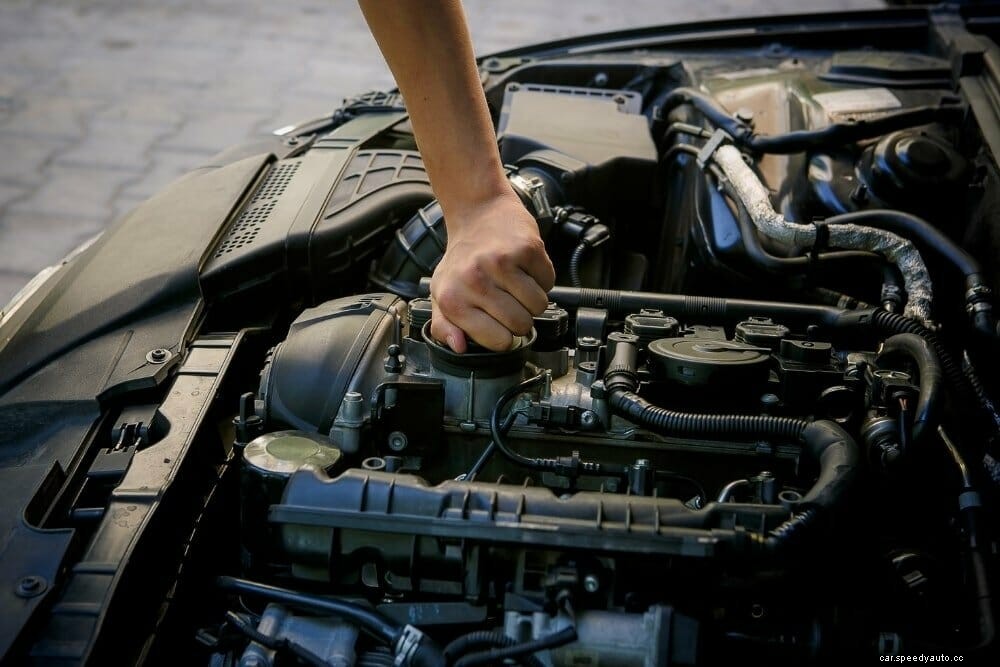
Usually, this is located around the cylinder heads or mounted in the engine block but it can be placed in several locations so make sure to research beforehand to prevent any confusion.
Start by releasing the retaining tab on the electrical connection and carefully removing the connection from the sensor. The sensor will be exposed to the elements so it is normal for a build-up of debris to happen and sometimes you may find some spray lubricant is needed to pry the connector free without using damaging force.
Once the connection is removed you can use an appropriate tool to loosen the oil pressure sensor enough so you can fully unscrew it using your hand.
At this point it is important you make sure your NEW oil pressure sensor has the same physical dimensions as your OLD oil pressure sensor. Check the diameter and threads are the same before continuing.
You will now be able to thread your new oil pressure sensor in by hand and keep turning until it is tightly screwed in with no further movement.
Don’t forget to reinstall your electrical connector and that is it fully seated and the retaining tab is engaged.
It can take a few moments for the oil pressure to build back up after removing the sensor as this process allows a small amount of air into the system of your vehicle. If your oil pressure sensor was at fault, your replacement should now have solved the issue and your warning light should have disappeared.
If the light is still present, or you can hear any new or concerning noises from your engine you should immediately turn your engine off and seek professional help for your vehicle to prevent further damage.

You can pick up an oil pressure sensor for as little as $10 and replacing it yourself is a very easy job. If you don’t feel comfortable following our steps provided, you can expect to pay between $50 – $250 dollars depending on the garage’s labor costs and the model of your car.
If you neglect the oil in your vehicle it will turn into a sludge that can no longer move throughout your engine to remove heat. This can lead to complete engine failure and cause unfixable damage over time.
When checking your vehicle’s oil levels you may be confused by what color is deemed healthy or not. As a general rule, clean oil will be an amber color and should appear clear on the dipstick when you check levels. If your oil is water or appears dark then you need to have it changed.
If you are struggling to know whether your oil pressure sensor needs replacement or not you should try some of our methods mentioned above to help you figure out where the problem lies in your vehicle.
Once you’ve established your oil levels aren’t low, your oil light on the dashboard could be a sign of something more serious at fault. This could mean your sensor or oil pump needs replacing or your oil is dirty and needs attention.
Your engine oil sensor light can be an alarming thing to see, but knowing the issues that may be to blame and the key points to check are the best ways to diagnose the problem at fault.
We hope this article has helped you to learn more about the dangers of driving with bad oil pressure sensors and how to change the oil pressure sensor in your vehicle quickly and save yourself some money on labor costs.
You may find similar posts regarding your car’s oil light below:
5 Bad Oil Pump Symptoms and Replacement Cost
What Are the Different Gauges In a Car For?
AT Oil Temp Flashing Light Subaru – What It Means and How To Fix It
