
When we are driving we can be set on getting from our current destination to where we need to be. As you cruise along the road you are well in tune with your car, you understand the noises, the traction the overall drive, but what happens when something feels off?
Maybe you have experienced heavy steering, less traction, is your car pulling on one side or a light illuminated on the dashboard? If any of these become apparent then you must stop at the nearest safe place and check the one thing many drivers can neglect -Your Tires! How do you put air in tires without a gauge may be your next question?
The tires of your car are one of the most important moving parts of your vehicle. Yes, newer cars come equipped with gadgets and onboard computers that tell you when something is not quite right but nothing knows a car better than the driver.
The tires of your car are the most critical part of its body. They make safe passage for you, your passengers, and other road users. Ensuring good tire health is your responsibility and it is important that you are aware of what PSI they need to have in order to make your trip a safe one.
Finding the PSI for your car can be in the driver’s manual or on the door placard. Every car will have a different PSI so knowing this information is paramount.
Now as a driver myself I know how mind-boggling it can be to be driving and suddenly something doesn’t feel right. You may get out of the car and your tires look … well like they should right?
This is where many drivers have a pressure gauge to ensure that the tires are not over or underinflated. These handy tools can take away the guesswork and may help you discover which tire if not all needs to be addressed.
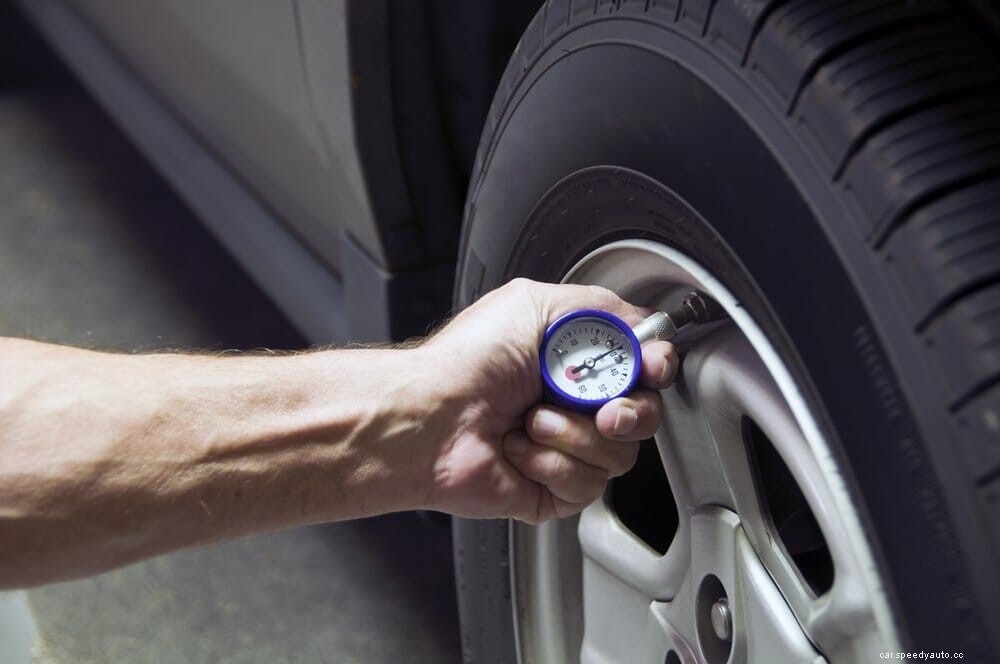
Now not many drivers are lucky enough to have these nifty gadgets to hand. You may be asking the question “What do I do if I don’t have a Pressure Gauge?”
Fear not! There are many ways you can check your tires without a pressure gauge. It is important to remember that it is not recommended to alter tire pressure without the correct equipment but I am going to go over the ways in which we can identify tire issues without a gauge.
If you find that you need to do this on a regular basis then purchasing a gauge may not be a bad idea, however, it is important to understand that it will not inflate your tires but give you a reading of the psi allowing you to take the necessary steps to ensure your tires are back at 100% health.
Now as mentioned this is not recommended as we are only going to gain an estimate of whether your tires need inflating or not. But there are ways you can identify the pressure in your tires.
Here are some handy ways you can address any tire issues:
Feeling your tire may give you the impression that you have low pressure. If there is some give in the rubber then you need to inflate as soon as you can. If it is rock hard to the touch then low pressure isn’t a concern.
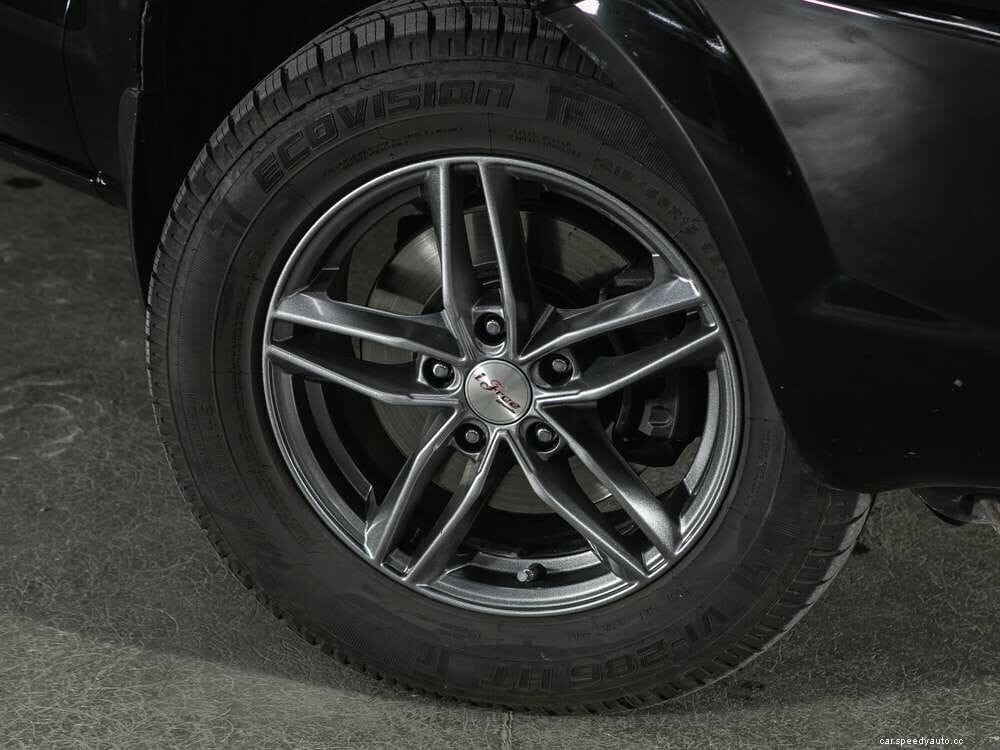
Checking out your tires by sight alone. Look for any bulges in your tire walls, this can indicate low pressure. Also by inspecting your tires you can sometimes come across any damage that could cause slow punctures. If you notice any imperfections to your tire then it is essential you get them changed.
Nowadays you find that you leave the house with your keys and of course your cell! You can use your cell to help you troubleshoot the issues you may be having. Apps have been developed to help us drivers understand the PSI and what to look out for. This can help the less confident drivers as many include pictures as well as descriptions.
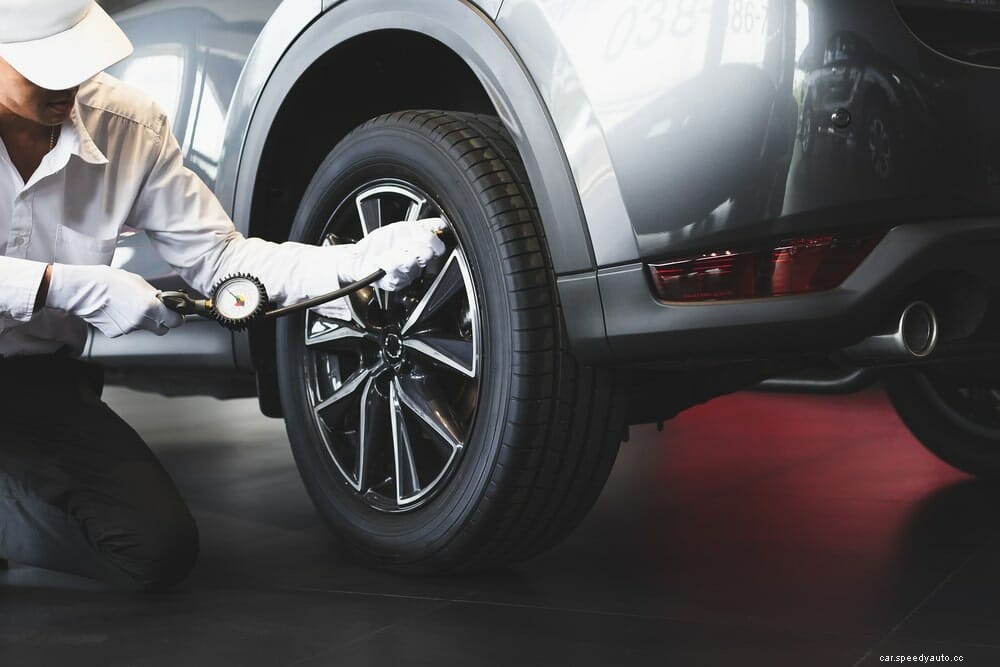
We all need to visit the gas station to fuel up for our journey, have you ever noticed that they have random-looking machines located to the side? These machines are not so random when you need them! These machines are essentially pressure gauges that allow you to fill your tires to the required PSI level. Pretty neat huh?
It is important that unless you are certain your tires need inflating you do so with an accurate PSI indicator to prevent overinflating. Think of a balloon with too much air … well you don’t want your tires to have the same effect!
If you cant get to a garage then pull into the nearest gas station to help you do these simple steps:
Make sure you are aware of the operating pressure required for your car as they will all be different. Increasing air pressure to the optimal standard will increase the performance and health of your tires. It will also help with gas consumption!
TireCheck Lite can be downloaded free of charge for many cell users. The app allows you to upload pictures of your tires to ensure that you are doing the necessary steps appropriately.
In a nutshell, yes, you can inflate your tires using a bicycle pump but be warned you will need a bit of manpower and elbow grease to achieve the correct pressure.
You can pump up a totally flat tire. It is important to understand why the tire is completely flat. Maybe a puncture? If your find yourself in this situation then it is important to get your tire checked out by a professional just to be on the safe side.
When driving we cannot ensure that the road ahead is going to be clear of debris and sharp objects that may cause damage to our tires. However, it is known that drivers can inflate and drive if they have a nail in their tire. Many drivers are not aware of the stress and strain their tires can come up against especially at fast speeds. Sometimes driving over nails at high speed will puncture the wheel but not allow the air to escape. If you notice a nail in your tire you have to get it repaired to ensure no further damage is done.
Hopefully, you have found this article helpful especially if you feel out of sorts when it comes to caring for your car. It is important to understand that tires are known to lose 1-3 PSI per month on average and this is why it is beneficial for you to become confident when checking the PSI regularly. The rubber material allows for expansion and therefore they will need inflating accordingly.
Remember to check the optimal diving PSI not the maximum – this will ensure you get the best out of your vehicle. Travel for more miles and use less gas – it’s a no-brainer really!
We have gone over how to check your tires and how to inflate them without a gauge but this will take a lot of practice and confidence to get this spot on!
Happy Driving!
More interesting articles can be read here:
How Far Can You Drive On A Flat Tire?
What Should Your Spare Tire Air Pressure or PSI Be?
Low Tire Pressure Light but Tires Are Fine: Reasons & How to Fix
