
Finding problems with your car? Is it backfiring or not starting straight away? The issue could be the coil pack! In this article, we will troubleshoot common bad ignition coil symptoms that can tell you when you have a problem.
Typically known as ignition coil or spark coil the main feature of this piece of machinery is to ignite a spark within the spark plugs. The battery in any car allows for a 12-volt current to pass through however this is not enough energy to ignite the spark plugs and create an ignition with the gas line, allowing the engine to tick over.
So they seem pretty important for the overall start of the car right?
Coils have internal resistors or they connect to the spark plugs through wires and they can transform the low current 12 volts up to around 15000 to 20000 volts to each spark plug. The spark plugs need this high intense voltage to create a spark that will ignite the fuel and thus start the car’s engine.
The number of volts that the coils will transmit will depend on each car and the engine size.
It is important to remember that many of the symptoms mentioned below are not confined to the coil pack alone. It may be worth checking to see if the car battery is giving the correct output before looking at the coil pack. Low voltage from the battery will impact the voltage the ignition coil can transmit to the spark plugs.
Take a look at the typical symptoms of when an ignition coil may need your attention.
Nowadays cars are more advanced than before and many are sold with internal computer systems that make it easier for us drivers to acknowledge when something is not right with our cars. If the engine management light illuminates on the dash, it could be a sign that there is something wrong under the hood.
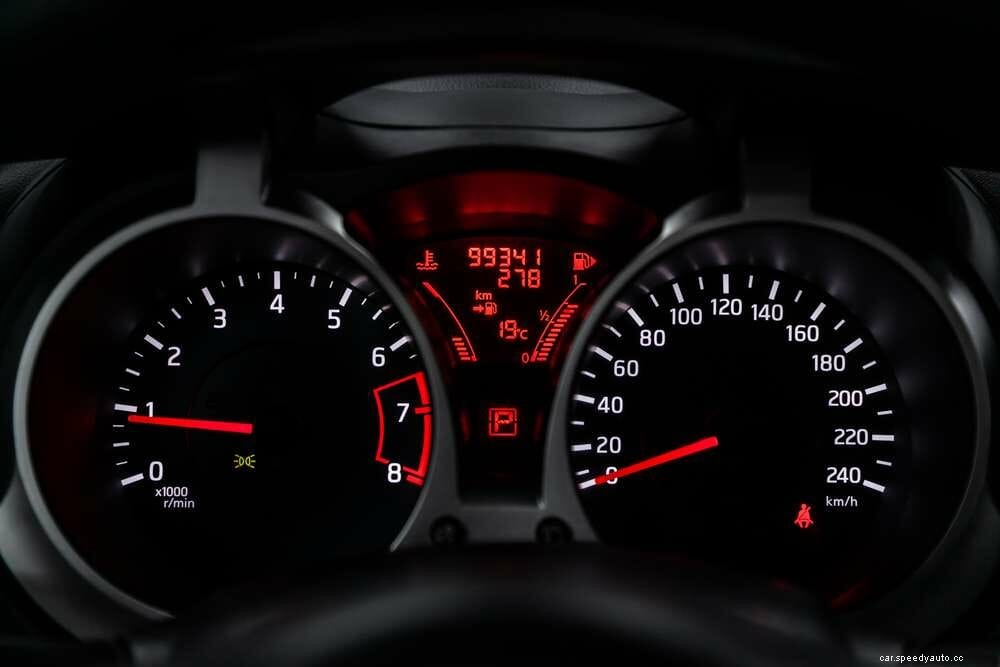
This tends to happen in the earlier stages of the ignition coil starting to fail. When leftover fuel gathers in the combustion cylinders and leaves through the exhaust pipe it can create a loud backfire. It is important to get this checked as soon as you can as it can be costly to repair if left.
The clue here that it would be an issue with the ignition coils would be the black smoke from the trunk end of your car or the smell of gas in the emitting smoke.
If the ignition coils are failing then it can cause your engine to struggle when you turn the key. You may feel a sense of panic if your car doesn’t want to start at all! If the coils are defective then they cannot do their job in transforming the current to power the spark plugs and in turn tick the engine over.
Another sign could be if you notice your car is doing considerably fewer miles than before. Igniting the gas within the fuel lines is the primary job of the spark plugs but if there is an issue with the coils then this could result in gas wastage.
Be sure that the difference is noticeable though – gas prices increase over time so it could mean that essentially you are putting in less gas than before.
This symptom can mean various things that may need attention under the hood. One of the things that should be checked would be the ignition coils. If you find that your car is running idle or slow to accelerate then it could point to the power emitted through the coils, a decrease in acceleration can point to a decrease in voltage transmitted through the coils.

Ok, we have all been there, you are at a busy junction and take off too hastily then bam you stall the car. This leaves you embarrassed and fumbling to restart the car so you can dart away.
In many cases, stalling can be down to driver error. However, in some cases, it can be a sign that the ignition coils are not performing as they should. If they don’t transmit enough energy the engine may just give up and hence leave you stranded usually at the worst times possible.
When this happens it can be identified as a cough from the car’s engine. A splutter or noticeable struggle can indicate your car is ‘unwell.’ This happens when there is a combustion failure in the cylinders – linking this back to the coils can help solve the problems.
Getting your car serviced regularly can help indicate an issue that needs attention before they turn into bigger problems.
When testing your car’s abilities and performance your car maintenance mechanic may alert you to a high hydrocarbon emission from the tailpipe. This can point to many different issues but the ignition coil failing can be one of them.
You may have been there already when you are ready to start your journey and your car ticks over but there is no power, no spark, nothing. This can be down to a faulty ignition coil. This malfunction can make your engine tick over but not spark enough to start. In some cases, the engine may start but cut out fairly soon afterward.
Just like anything in life things can get worn and need some care and attention. This is the same for the ignition coils within your car.
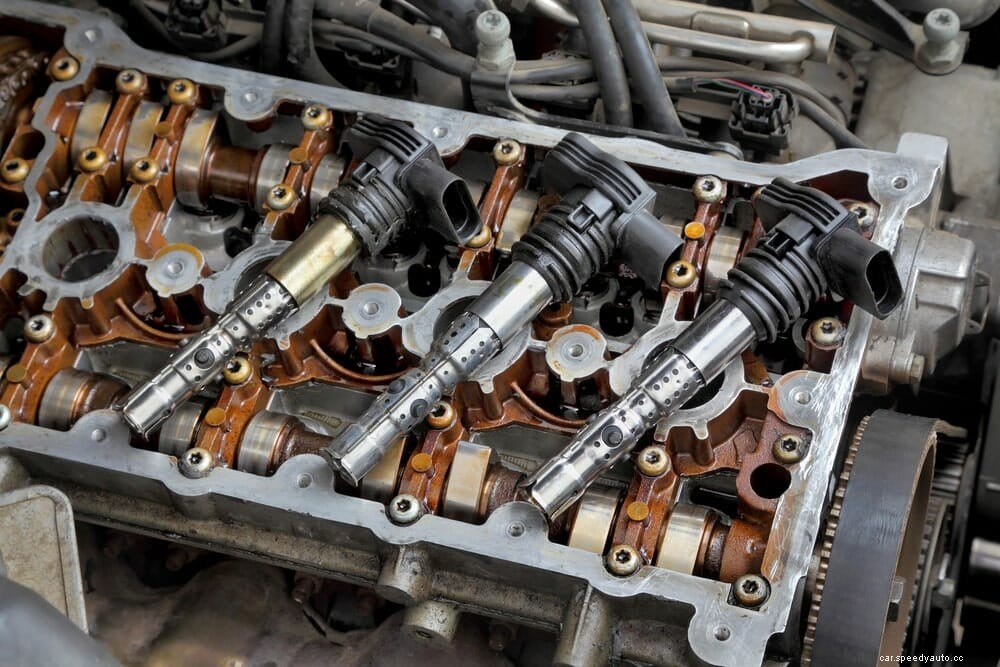
Now typically, they don’t need to be checked out unless you are finding that there is an issue like the ones mentioned above. But there are various factors that can contribute to the poor life cycle of your car’s coil pack.
Any of these things can contribute to the failings of the ignition coil.
There are three options to choose from when replacing the coils within your car.
Each option can differ in cost. Going to an independent mechanic means that you will have to pay for the parts and their labor which can set you back from $100 +.
A visit to the main dealer will be considerably more. By the time you pay for the parts and add their labor costs you could be paying over $200.
Obviously, the cheapest way of doing it would be yourself. If you have the confidence to get stuck in and replace the parts then it will only cost you the price of the replacement pack. Be sure to understand that the price of coil packs differs for each vehicle. The bigger the engine the more costly the parts will be.
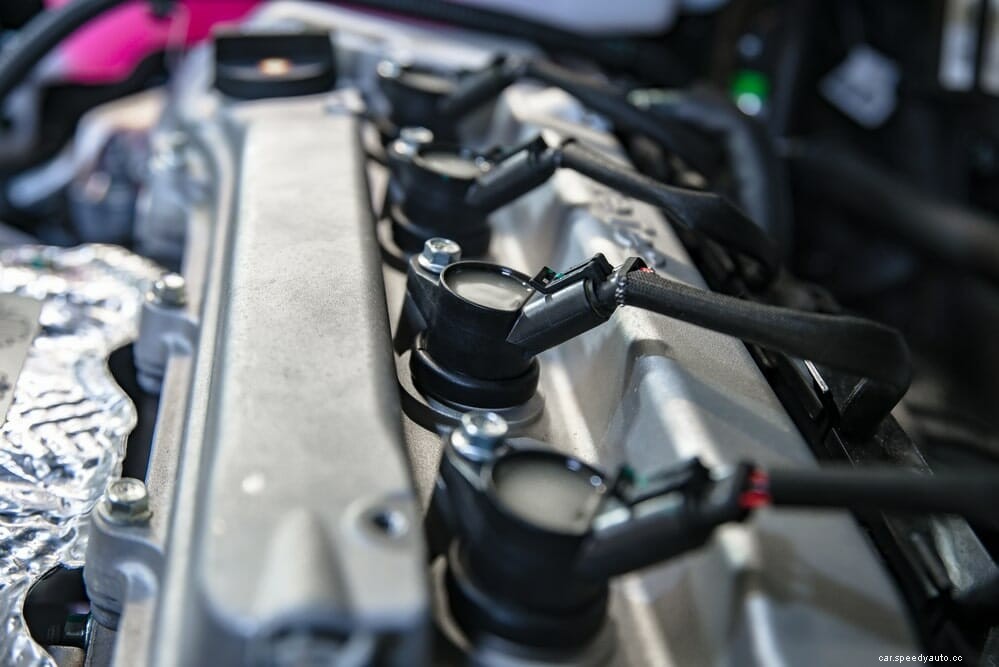
Ignition coils are supposed to last around 100,000 miles or more. So it’s not too common unless you’ve exceeded that mileage by quite a bit. The usual reason for a failing ignition coil is down to wear and tear. The coil windings can overheat and cause a reduction in insulation between the primary and secondary coil.
If you find that your car is showing signs of coil failure it is strongly recommended that you get the issue rectified as soon as you can. Driving with a malfunctioning coil pack can damage the engine further.
You can! This can keep costs down and help financially however it is important to remember that when one fails it usually means the others are just as worn. You don’t want to end up paying double labor costs.
It is law in the US that any new car manufactured and sold has to have a warranty on the engine including the coils for a minimum of 2 years or up to 24000 miles whichever occurs first. Many coil packs are designed to last over 100000 miles.
I hope you have a better understanding of your car’s behavior and why it may be having some problems. It is important that you notice these signs as early as possible. Detection of failing coils can help other components of your engine and reinstate your car to its former glory. Ignoring these symptoms will only give you more issues and a bigger bill at the end of it all.
Don’t bury your head in the sand, get it checked out and your car will be forever grateful.
More tips can be found in these related posts:
How To Test Ignition Switch With a Multimeter
How To Start A Car With A Bad Ignition Switch
How to Clean A Spark Plug Hole
