
Gasoline is a vital part of our society. We use it to power our cars and trucks, and it is necessary for our economy. But what does gasoline taste like? Is it toxic? Let’s take a closer look at this important fuel.
Gasoline tastes like a mixture of chemicals and petroleum. It is also very toxic and can be dangerous if swallowed.
Gasoline should only be used in well-ventilated areas, and it should never be ingested. If you suspect that someone has swallowed gasoline, call poison control immediately.
Gasoline is a fuel that is used in cars and other vehicles. It is made up of hydrocarbons and other chemicals, and it is highly flammable. Gasoline is used to power engines, and it can be explosive if not handled properly.
Under no circumstances should gasoline be ingested by humans. Gasoline is a highly toxic substance, and it can be fatal if swallowed. Ingesting gasoline can cause chemical burns to the throat and esophagus, and it can also lead to vomiting and aspiration pneumonia.
Aspiration pneumonia is a serious complication that can occur if someone swallows gasoline. This condition occurs when the lungs become inflamed and filled with fluid. Symptoms of aspiration pneumonia include coughing, chest pain, shortness of breath, and fever.
So, whenever you think you or someone else may have aspiration pneumonia, it is important to seek medical attention immediately.
Many people find the smell of gasoline to be pleasant. This is because gasoline contains a compound called benzene. Benzene is a volatile organic compound, and it has a sweet, aromatic smell. However, benzene is also a carcinogen and could possibly contribute to the forming of cancer if inhaled.
Yes, the smell of gasoline can hurt a baby. Benzene is a volatile organic compound, and it can cause cancer if inhaled. Gasoline also contains other harmful chemicals, such as lead and sulfur dioxide.
If you think your baby has been exposed to gasoline, it is important to seek medical attention immediately.
Continuous exposure to the smell of gasoline will elicit some adverse health effects. These include but are not limited to:
Inhaling too much gasoline fumes can be dangerous. Gasoline is a highly flammable substance, and it can explode if not handled properly. Inhaling gasoline fumes can cause chemical burns to the lungs, and it can also lead to aspiration pneumonia.
Besides, here are some first-aid tips if you or someone else has inhaled gasoline fumes:
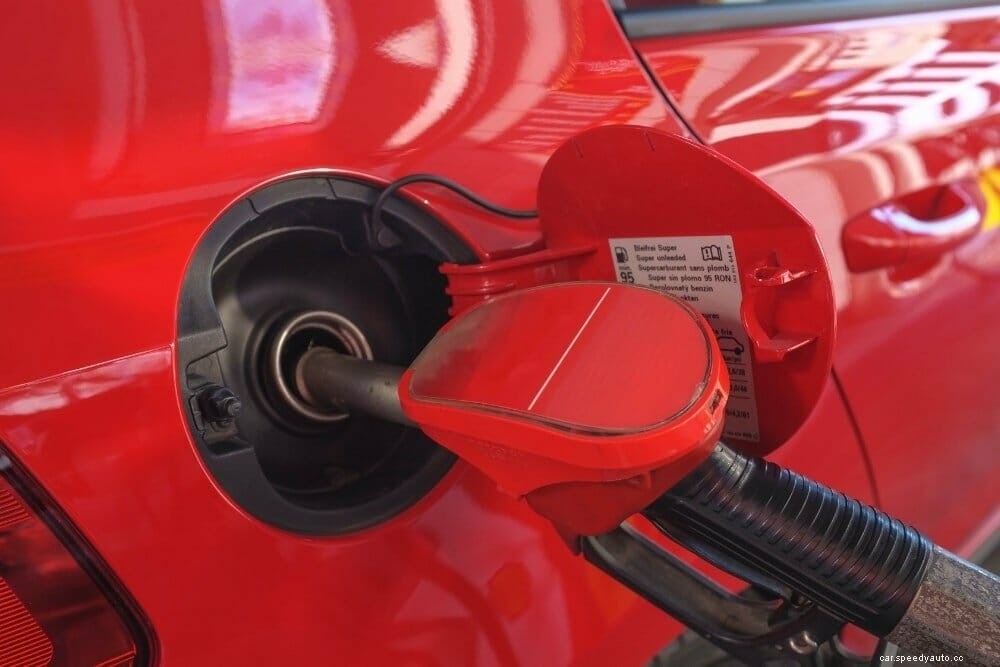
When gasoline gets in your eyes, it is important to flush them out immediately. To do this, you should:
Yes, gasoline fumes can cause blindness. Inhaling gasoline fumes can damage the eyes and lead to vision problems. Gasoline also contains other harmful chemicals, such as lead and sulfur dioxide. In fact, gasoline fumes are one of the leading causes of blindness in children.
There are a few things you can do to remove gasoline fumes from your home:
Engine oil is not meant to be consumed by humans. Engine oil can contain harmful chemicals, such as lead and sulfur dioxide. Ingesting engine oil can cause nausea, vomiting, and diarrhea. If you think you or someone else has ingested engine oil, it is important to seek medical attention immediately.
Apart from its foul taste, lubricating oil can cause the following health problems:
Now, most fuels are long-chain hydrocarbons, and they’re made up of molecules with 12 or more carbon atoms. These fuels are less volatile, so they don’t evaporate as easily. They also have a higher boiling point, so they won’t turn into a gas at room temperature.
And finally, they’re heavier than air, so they tend to sink instead of float. Therefore, they are not vulnerable to cleavage by enzymes of the digestive tract. Plus, they can trigger chain reactions that lead to the formation of polycyclic aromatic hydrocarbons (PAHs).
So, what does all this mean for you? Well, if you drink gasoline, it’s going to taste terrible. And it could make you very sick.
PAHs are known to be potent carcinogens, and they’re also linked to other health problems, such as liver damage and birth defects. So, it’s best to avoid drinking gasoline altogether.
Yes, gasoline can be used to start a fire. In fact, gasoline is one of the most common fuel sources for fires. Gasoline is highly flammable, and it can easily ignite. When using gasoline to start a fire, it is important to use caution.
Only use a small amount of gasoline, and make sure the area is well-ventilated. Never pour gasoline on a fire, and never leave a fire unattended.
Yes, you can siphon diesel out of a car. Siphoning is a process that involves using a hose to transfer liquid from one container to another. To siphon diesel out of a car, you will need a length of hose and a container to catch the diesel.
It is important to be careful when siphoning diesel out of a car. Make sure the hose is tightly sealed, and do not inhale the fumes.
Diesel fuel is a type of petroleum product that is used to power diesel engines. Diesel fuel is similar to gasoline, but it has a higher boiling point and viscosity. Diesel fuel is also less flammable than gasoline.
Fuel siphoning can be illegal in some areas, so it is important to check the laws in your area before siphoning diesel out of a car.
The process of refining crude oil is extremely dangerous. Crude oil is a highly flammable liquid, and it can easily ignite. The process of refining crude oil also produces harmful emissions, such as carbon monoxide and sulfur dioxide.
These emissions can be harmful to the environment and to human health.
The process of refining crude oil also produces a lot of waste products, such as sludge and wastewater. These waste products can pollute the air, water, and land. They can also be harmful to human health.
The refining of crude oil is a necessary process, but it is important to be aware of the dangers involved.
There are three main types of gasoline; leaded, unleaded, and premium. Leaded gasoline contains lead additives, which help to improve engine performance. Unleaded gasoline does not contain lead additives, and it is the most common type of gasoline.
Premium gasoline is a high-octane fuel that is designed for use in high-performance vehicles.
Leaded gasoline was once the most popular type of gasoline, but it has been phased out in recent years due to health concerns. Unleaded gasoline is now the most common type of gasoline, and it is safe for use in all types of vehicles.
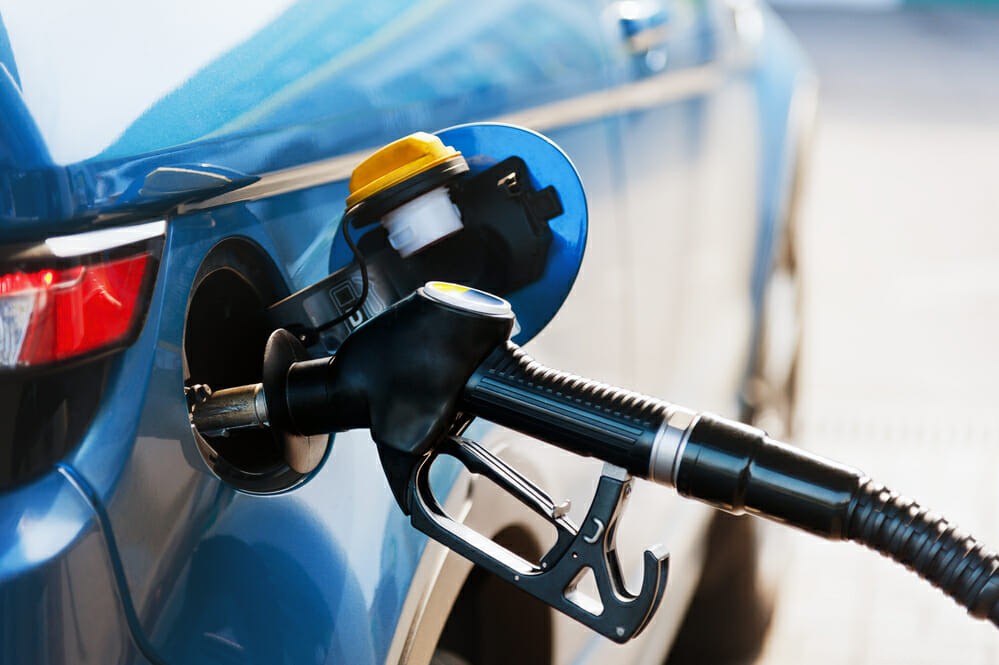
Premium gasoline is more expensive than unleaded gasoline, but it can provide better performance for high-performance vehicles.
What does gasoline taste like? Well, it’s hard to tell. Some people describe it as being similar to diesel fuel, while others say it has a sweet taste. Gasoline is a highly flammable liquid, and it can be very dangerous to drink.
If you do injest gasoline, it is important to seek medical attention immediately.
