
With the R12 officially phased out in 2021, older vehicles are left without a usable refrigerant for their air conditioning systems. The R134A is widely accepted as the best replacement refrigerant, but can you really just put it directly into the R12 system?
Mixing R12 and R-134a refrigerants is illegal, and even if you previously bleed out the R12, the system has to be adjusted to use R-134a, or it will cause leaks, copper corrosion, and lack the lubrication required for optimal operation.
Before we get into different ways of adjusting your air conditioning system to accept the R134A, let’s take a moment to discuss what these codes mean and why has R12 been phased out of use.
The R12 is the codename for the refrigerant that has been around since the 1920s and widely used since the 1950s in home appliances and vehicles. It was phased out in home appliances in favor of R22, but R12 still remained the primary vehicle air conditioning refrigerant.
The Environmental Protection Agency declared R12 unfit for further use due to a large amount of Chlorine found in it – a substance that is particularly harmful to the ozone layer. Since 1996, vehicles started using the R134A instead, but the R12 stuck around to provide an option for people caught in the middle of the change. However, 2021 marks the official end of the R12 production and distribution, making it increasingly difficult to find and extremely expensive.
The R134A is a green solution made on the HFC (hydrofluorocarbon) basis that does not affect the ozone layer or have any greenhouse effects. Because it doesn’t have the same chemical composition as the R12, using R134A as a direct replacement is not advisable. In fact, mixing the two is even against the law.
Mixing the two will not cause a huge explosion as some people claim, but it’s not a good idea nonetheless. The two chemical compounds are completely different and will cause what is called a black death – a black coating on the interior of the entire air conditioning system due to a heat-induced chemical reaction.
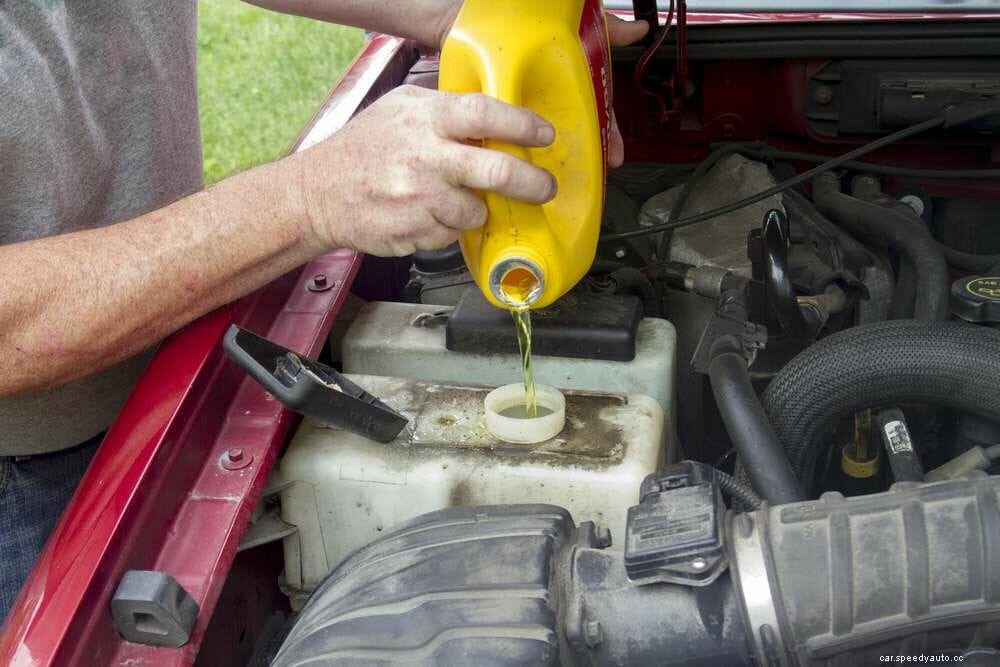
Even if you’ve had the remainder of R12 flushed out of the system by a professional, as to not release toxic gas into the atmosphere, R134A still won’t be a fully-compatible replacement. The reason why is that the chemical difference between the two will affect the air conditioning system. The R134A uses different lubricating oils, corrodes copper, and will generally cause refrigerant leaks in a non-retrofitted system.
To add R134A into an R13 air conditioning system, you’ll have to bleed out the rest of the R12 by a technician. Retrofitting the system is rather simple, but recharging the system with the new coolant comes with risks. While you’re at it, you might as well replace the receiver dryer since it’s not expensive and it’s better to replace it now than to bleed the system to do it later.
| Title | Price | Buy | |
|---|---|---|---|
 Top
Top
Top
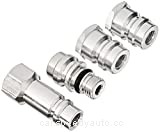
Top | InterDynamics Certified AC Pro Car Air Conditioner Adapter Kit (4 Items), for R12 to R134A Refrigerant, High and Low Side Ports, VA-LH11 | Buy Now | |
 Top
Top
Top
Top | DEWALT Mechanics Tools Kit and Socket Set, 142-Piece, 1/4 & 3/8" Drive, MM/SAE (DWMT73802) | Buy Now | |
 Top
Top
Top
Top | Robinair 18480 R134A Oil Injector (PAG, Euro) | Buy Now | |
 Top
Top
Top
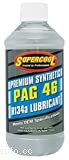
Top | TSI Supercool A/C Comp PAG Lube, 8 Oz, Flash Point 442 F | Buy Now | |
 Top
Top
Top
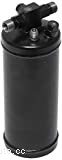
Top | Universal Air Conditioner RD 8214C A/C Receiver Drier | Buy Now | |
 Top
Top
Top
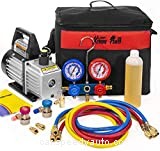
Top | XtremepowerUS 3CFM 1/4HP Air Vacuum Pump HVAC R134a R12 R22 R410a A/C Refrigeration Kit AC Manifold Gauge R134 Can Tap Included Carrying Tote | Buy Now |
The options presented in the table above are universal, but you’ll have to check your vehicle’s official retrofitting manual for the exact parts and amount of PAG oil necessary for the system. You can then use the links above to track down the specific components more easily.
For the last two steps and a more detailed look as to how to retrofit the air conditioning system, I strongly suggest watching the following video tutorial. I’m far from an expert on the subject of air conditioning systems and I will not pretend to be one and give you false information. It’s easy to overcharge the AC and cause damage to the very expensive AC compressor, which is why I take my vehicles to a professional.
Seventy years ago, R12 was the primary refrigerant for household appliances and vehicle air conditioning. It was quickly phased out of the home application, so it’s highly unlikely that you’ll find an appliance working on R12. However, vehicles built prior to 1996 use R12, which is now discontinued.
R12 contains chlorine that causes damage to the ozone layer. To prevent the further development of the greenhouse effect, R12 was banned and the R-134a was chosen as the replacement.
Some research claims that R12 is in fact 6-7 degrees colder and 15% more efficient than R134a. However, this doesn’t matter all that much considering that it’s now illegal and nearly impossible to acquire.
If you’ve skipped the section, please go up and review the steps and tools required to convert an R12 system in R134a. Swapping components is a very straightforward task, but recharging the refrigerant will prove to be a challenge.
A mechanic will charge you around $200 for the conversion alone, but you can do the job yourself for the same amount and keep the tools you’ve bought. Recharging the AC itself will cost between $150 and $500, but that’s the expense worth considering as improperly charging your AC could lead to more expensive damage.
The most probable reason why your car is idling rough with the AC on is a problem with the AC compressor or throttle control.

Even though the R12 refrigerant has been completely phased out, there are still ways you can get the AC to run at full blast. A retrofit to R134A coolant is not expensive and can be handled at home. As for the coolant recharge, I would not advise you to do it yourself, but if you’re confident, get the right tools and do it.
Find other helpful posts about your car’s AC here:
Reasons Why Your Car Shakes When Ac Is On
How To Manually Engage/Jumpstart An AC Compressor Clutch?
Reasons Your Car AC Compressor Is Not Turning On (SOLUTION)
