
Nowadays, stories of cars overheating then going back to normal are becoming more common. Is this normal? Or is it a cause for concern? This article will explain why your car is overheating and then going back to normal. In addition, we’ll look at the possible causes and fixes of this problem.
An overheating car is most commonly caused by a faulty thermostat. The thermostat is a device that controls the temperature of the entire vehicle by regulating the flow of hot water to and from the engine. More hot water near the engine means a higher overall temperature while less hot water near the engine leads to a lowering of the overall vehicle temperature.
If the thermostat goes bad, the control of water and thus, temperature becomes erratic and could eventually end up causing overheating in your car.
Another reason why your car is overheating quickly could be the coolant in your vehicle running low. The coolant is a special fluid that runs through the car’s engine to keep it running at optimal temperatures. The coolant could run out by leakages or not being refilled at the proper time.
Without enough coolant, your engine might be operating at excessively high temperatures which can lead to your car overheating then going back to normal
The radiator is responsible for, well, radiating heat away from the engine to remove some of the heat that builds up there. If the radiator becomes faulty, heat will accumulate very quickly in the engine, and because this heat can’t be easily dispersed, it can ultimately lead to your car overheating after a short while.
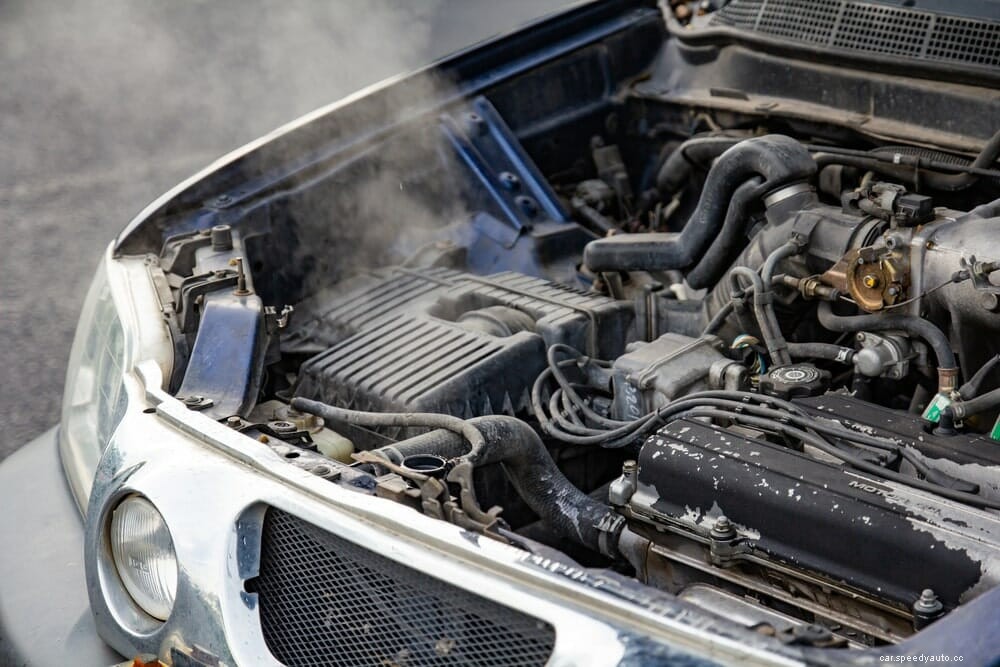
The water pump circulates the coolant in and around the engine to prevent it from getting too hot. If it fails for any reason, the engine will grow unbearably hot and possibly overheat. If your car is overheating excessively, it could be due to the water pump not working as it should.
Sometimes, the overheating problem might not be from the engine. The sensors that record the engine output might go bad, and hence, show incorrect readings, making it seem like your engine is overheating when it is perfectly fine.
This problem can make your car temperature gauge rise then fall.
Engine oil lubricates the moving parts of the car’s engine to reduce the temperature, as tremendous amounts of heat are generated by the operation of the engine. If the amount of oil in the engine falls below the acceptable level, heat can build up, leading to overheating. Checking your engine oil levels regularly is a sure way to prevent your car from overheating.
The heater core is what keeps you warm when driving on cold days. It is basically a heat exchanger controlling coolant flow and it can cause overheating in your car if it gets plugged. A common symptom of this is an uncontrollable rise in the temperature of the car.
If you find out that a bad thermostat is causing your car to overheat, you should get the car to a mechanic and get the thermostat fixed. It’s a pretty common problem, so it shouldn’t be too difficult to fix.
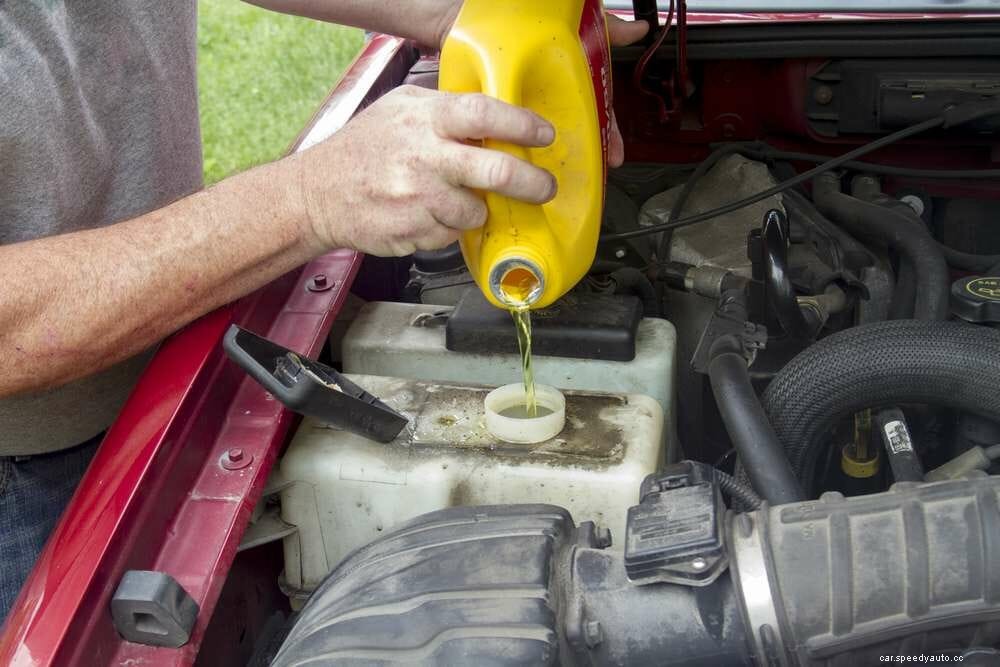
Check your coolant reservoir for any noticeable leaks as soon as you discover that your car is overheating. If you find any leaks, take the car to the mechanic and have the car checked over for a potential fix to the system.
If your radiator is bad and is causing your car to overheat and then go back to normal, get it changed as soon as possible. This is crucial as the radiator does a very important job of managing the flow of coolant in the engine. Fixing or replacing a faulty radiator might just fix the overheating problem.
If you’re unsure about what’s causing your car to overheat then go back to normal, you can perform a vehicle diagnostic check. This is similar to a general check-up and it could help uncover some errors that aren’t visible or that are just developing.
Another solution is to turn on the heater while driving. It may be sweltering hot inside your vehicle, especially during the summer, but transferring that heat away from your vehicle’s engine could make it last till you can get home or to a mechanic. However, not that this is a temporary fix until you can get the overheating fixed.
The most likely cause for a car to overheat and then go back to normal is a faulty thermostat that’s not exchanging heat within the engine very well. Replacing the thermostat should solve this problem.
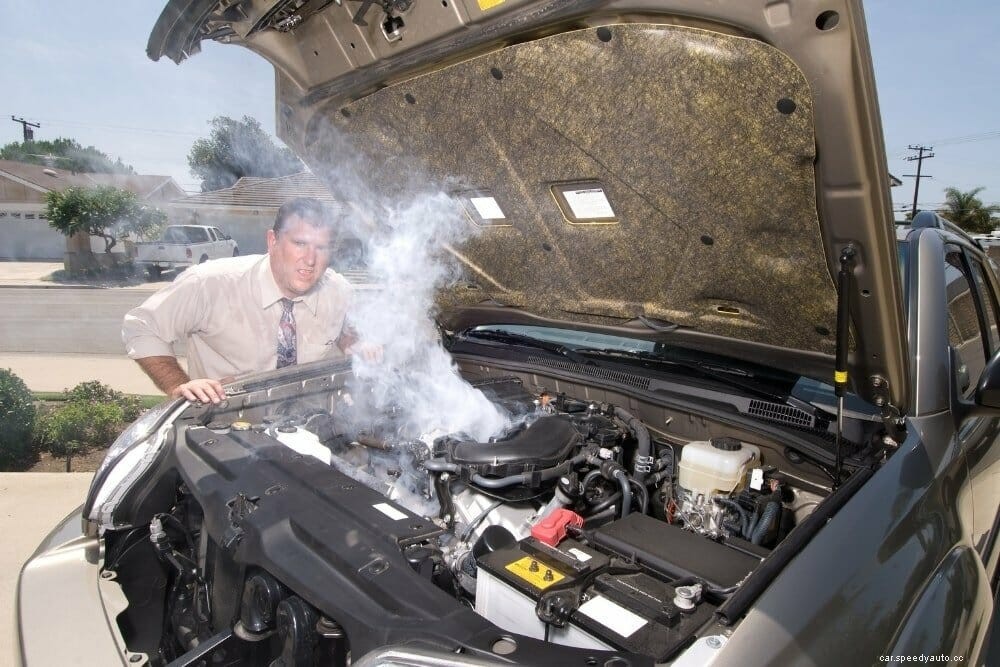
There are a few probable causes, and they could include; a malfunctioning thermostat, damaged radiator, low engine oil, and coolant levels, among other things.
They include but are not limited to: a higher or lower than normal temperature reading, coolant leakage, malfunctioning heaters, and rumbling noises.
If your car isn’t leaking, then the overheating is caused by something else like a low coolant level, insufficient heat transfer, or poor coolant circulation.
The right amount of coolant isn’t getting to the engine, either because the coolant levels are too low or the thermostat is faulty and not regulating the flow of that coolant.
Here are some other articles that may interest you:
6 Reasons Your Car Is Overheating When Idle
Bad Radiator Cooling Fan Symptoms
How Long Does It Take For a Car To Cool Down?
