
If your car’s engine sputters while you’re driving, the first thing to look out for is low gasoline. If your gas gauge is full, on the other hand, it might be a sign of more severe engine issues. In the case of a gasoline filter that becomes clogged, no fuel will be able to reach the combustion chamber.
Engine damage might occur if the issue is not addressed quickly. Nevertheless, what exactly are the reasons for an engine sputtering in a car?
Fuel system problems are the most typical cause of engine sputtering. An issue with the fuel filter, pump, or injector might be to blame for this. It may also be caused by faulty spark plugs or ignition coils that don’t generate enough spark.
Leaks around the intake manifold or at the intake manifold hoses might lead to an improper mixture, resulting in sputtering in your vehicle’s engine at idle.
An EVAP smoke machine is the best technique to discover this. To test for leaks while the engine is idling, you may listen for high-pitched sounds in the engine compartment, but chances are you don’t have one.
You may also check for leaks by spraying soap around the intake hoses.
Spraying gasoline into the combustion chambers on each cylinder is the job of the fuel injectors. Spark plugs then light the mixture by igniting it with air.
Small filters reside within the fuel injectors, which might get clogged if the fuel filter is not performing its duties. As a result, the engine may sputter or misfire if the fuel injectors spray too little gasoline into the combustion chambers.
You should be able to find a workshop that can change these small fuel filters for you.
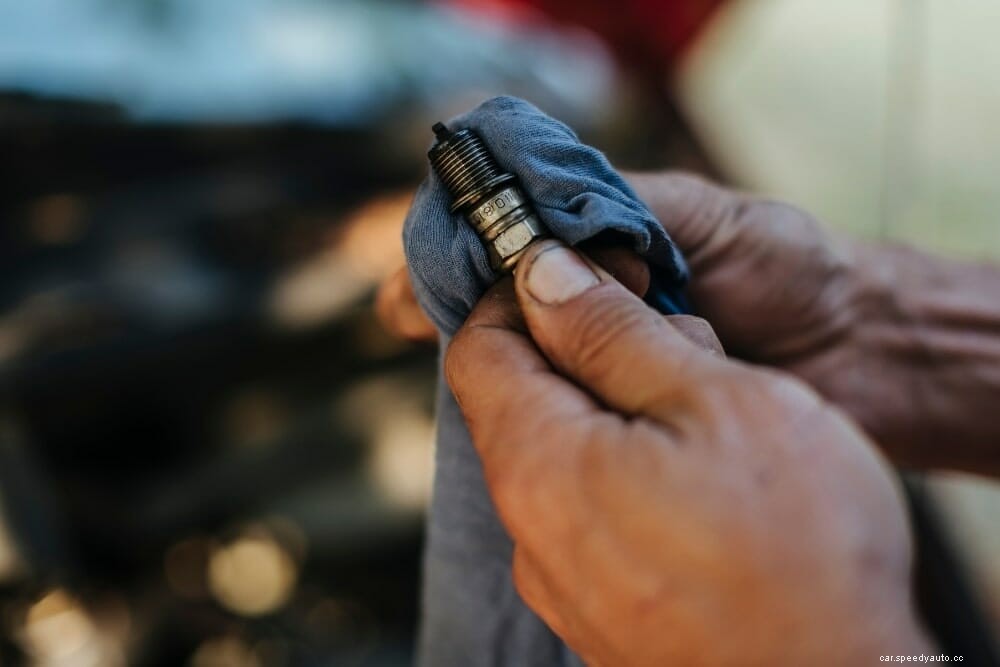
The ignition of the air/fuel combination is impossible without spark plugs. Plugs, on the other hand, eventually wear out and stop working properly.
Misfires and engine sputtering are likely to occur if you have a lot of unburned gasoline. To avoid problems like this, the spark plugs should be changed on a regular basis. Spark plugs may cause your engine to sputter, so if you haven’t changed them before, you should.
To tell whether your spark plugs need to be replaced, take them out of the engine and check them for signs of wear. Also examine the ignition coils, which may have the same problem.
A proper mixture of fuel and air is required in the combustion chamber. An inbuilt computer in modern engines keeps track of the movement of these components. There are mass airflow sensors to verify that the combustion chambers are getting the proper quantity of air.
Dirt particles clog the sensors, preventing them from transmitting the correct information to the ECU. The engine will splutter as a result of the engine control unit spraying too much or too little gasoline into the cylinders.
Mass airflow sensors may be cleaned by removing them and cleaning them with an electronic cleaner.
All of the engine components are monitored by an onboard computer in most contemporary automobiles. Oxygen sensors are linked to this, and they regulate the amount of fuel that enters the combustion chambers. Rich or lean mixtures might be the result of an oxygen sensor that has failed.
With the passage of time, dirt accumulates on the oxygen sensors, preventing them from properly transmitting data to the onboard computer. This results in their releasing either too much or too little gasoline at the same time.
A diagnostic scanner is required in order to diagnose the oxygen sensors.
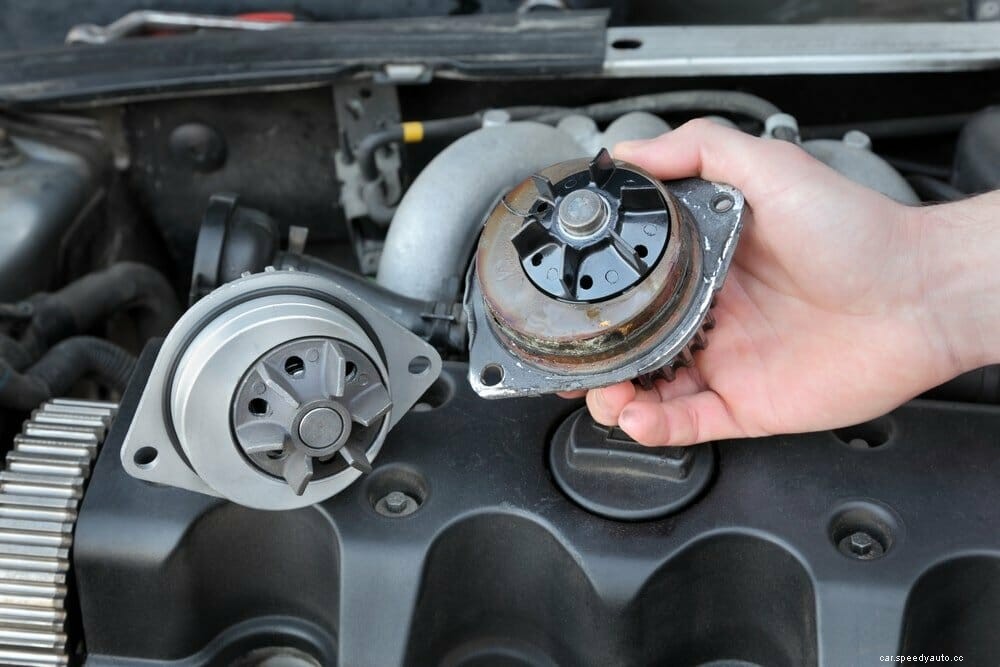
A gauge will be needed to check the fuel pump and the fuel filter. When the fuel pump malfunctions, the fuel pressure drops to dangerously low levels, which may lead to an overly lean running condition in the engine.
Using a temporary manual fuel pressure gauge attached to the fuel pressure rail, measure fuel pressure while the engine is at idle and revved up.
If your fuel pressure is too low, the fuel filter or pump is most likely to blame.
The catalytic converter removes hazardous gasses from the exhaust. If the catalytic converter is too old, it might get blocked and pieces can fall loose inside of it, preventing exhaust flow.
As a result of the increased backpressure, your engine will begin to sputter.
You might attempt to clean the catalytic converter using a catalytic converter cleaner. The strong odor of rotting eggs is a sure sign that your catalytic converter isn’t performing properly.
You have to check the car’s seals and gaskets from time to time … when getting an oil change is a good excuse to inspect. Not checking at all could lead to the engine running rough and sputtering. Damage to the exhaust manifold can be a costly repair.
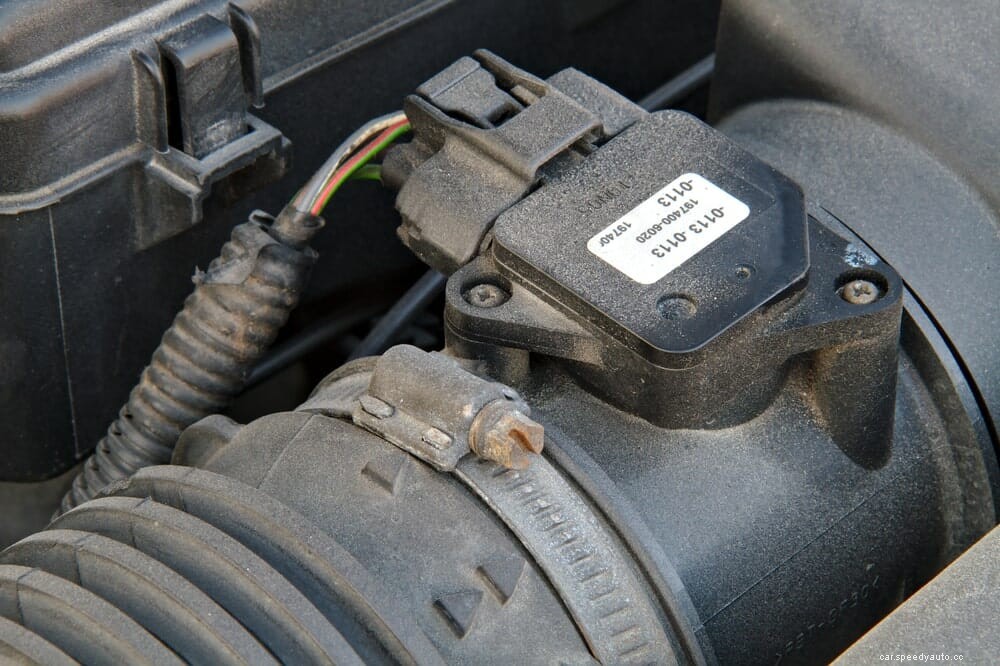
A mass flow sensor measures the volume of air entering a fuel-injected internal combustion engine to estimate the engine’s mass flow rate. The engine control unit has to know the air mass in order to balance and supply the right amount of fuel to the engine. Temperature and pressure alter the density of air.
Does your car have a bad smell? Catalytic converter failure may cause the exhaust hydrocarbons to be burned off. In addition, it is unable to decompose the engine’s sulfate emissions. As a result, the stench of rotting eggs. If you don’t replace it right away, the converter will stop working altogether.
If the O2 sensor in your car is broken, the computer won’t be able to correctly adjust the air-fuel ratio, which means that you won’t be able to drive properly. If, on the other hand, your engine can start and operate for an extended period of time, you may go for a drive.
A set of spark plugs are about a tenth of the cost of a new battery. Even if you have to replace many at once, the cost will still be relatively low. Spark plugs typically cost between $16 to $100, while labor for a spark plug replacement ranges from $40 to $150 on average.
If your car’s engine sputters while you’re driving, the first thing to look out for is low gasoline. If your gas gauge is full, on the other hand, it might be a sign of more severe engine issues. Fuel system problems are the most typical cause of engine sputtering. Oxygen sensors, spark plugs, fuel injectors, among other parts could be the culprit of a sputtering engine.
Get more car tips from VehicleFreak with these articles:
How To Start A Car With A Bad Ignition Switch
Car Won’t Start After Getting Gas
How To Start My Car Without a Chip Key FOB?
