
If you’re experiencing strange noises or vibrations coming from your car, it’s possible that you have a bad rear differential. A bad rear differential can cause all sorts of problems, so it’s important to know the symptoms and get it fixed as soon as possible.
In this article, we will discuss the most common symptoms of a bad rear differential. Keep reading to learn more!
A differential is an important device in all modern, wheeled vehicles. It provides the connection between your car’s engine and its wheels.
A simple explanation of how a differential works is one driving wheel connected to the output spindle on the transmission will turn at the same speed as the opposite wheel connected to the other end of that spindle.
When a car is going around a corner, the outside wheel travels further and faster than the inside wheel. If both drive wheels were rigidly fixed to the same axle or spindle they would simply spin together at one speed.
The differential creates a compromise between the two driving wheels that allows them to rotate at different speeds as needed when making turns.
In more technical terms, a differential allows for your vehicle’s engine torque to be split between two axles. Torque from your vehicle’s transmission gets sent down shafts through each axle housing toward each tire’s contact patch on the road surface.
This way, you can apply throttle input and let your car do all of the work in moving forward – something that would not be possible without a proper differential.
There are two distinct types of differentials, which can be broken down further into subcategories. These are the limited-slip differential (which includes both locking and clutch-type devices), and the open type differential.
An LSD is designed to limit wheel spin by transferring torque to the wheel with more traction, thus improving traction on slippery surfaces like ice or mud. It does this by forcing an axle to always rotate at the same speed as the opposite wheel.
This reduces your chances of losing control when accelerating out of a corner on loose surfaces like dirt roads where one tire has significantly less grip than the other(s).
This type of limited-slip differential works by using one or more sets of clutch plates, which are situated between the left & right drive wheels.
When the car starts to spin out on a turn, due to excess wheel speed difference between the two driven wheels, this increases the torque that is sent to the slower moving wheel(s).
Thus applying more force against that wheel’s axle and forcing it to rotate at the same speed as its opposite side.
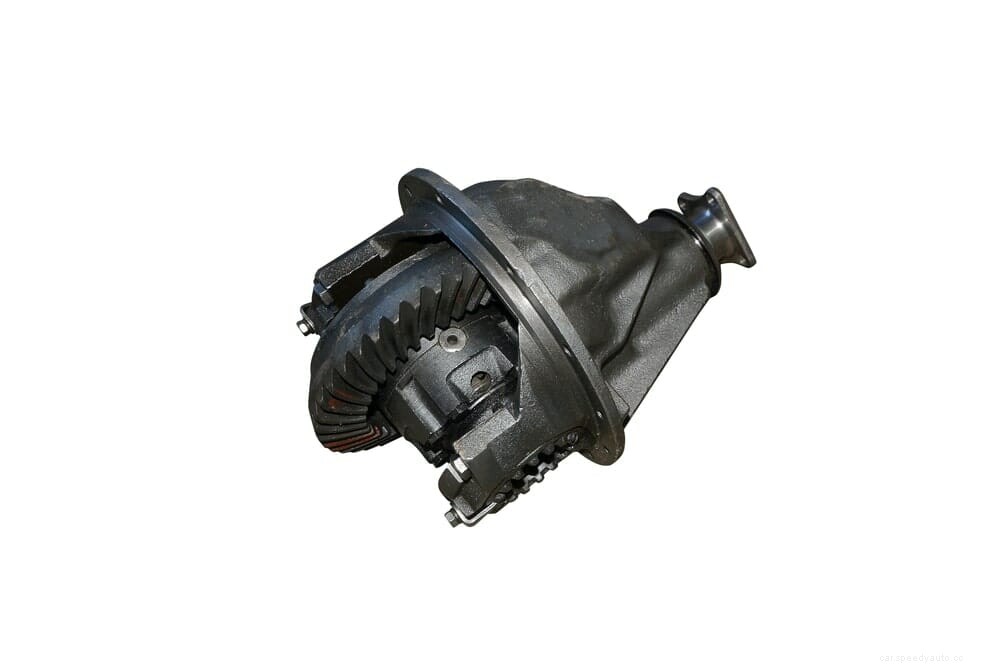
A locking differential is an effective way of getting the power down when both tires have equal traction potential. It does this by allowing each driven wheel’s axle shaft to temporarily rotate independently of each other, so you can gain maximum grip during acceleration while also maintaining a constant speed.
An open differential is a standard, basic type of differential found in most passenger cars today. It works by distributing torque equally to both driving wheels when they are moving at approximately the same speed.
Open differentials aren’t capable of providing any torque for accelerating if one wheel loses traction while the other has good traction, thus minimizing your chances of getting stuck while off-roading because your drive wheels don’t spin together.
A limited-slip or locking differential can be used to improve vehicle stability and performance on slippery surfaces like ice and wet mud – where an open differential is likely to fail.
An LSD transfers power from a spinning wheel to a non-spinning one without the risk of breaking parts. Just as its name suggests, a limited-slip differential limits how much a wheel can spin by transferring power to a tire with more traction.
A locking differential works by forcing both drive wheels to rotate at the same speed, even if one is on ice and the other isn’t. This transfers power to the ground via the non-slipping wheel, thus preventing your vehicle from getting stuck.
In some cases, an open differential may be sufficient, but oftentimes pressure from heavy loads or steep grades will cause it to fail, especially for vehicles that are required to perform well under these types of conditions.
Differentials have been around since early cars were first created, allowing cars to go fast while turning without tires skidding. Today’s differentials are electronic and hydraulic, but the principle is still basically the same.
However, if one wheel ends up on ice or loses traction some other way, it limits how much that wheel can spin compared to the wheel with more grip – which improves your chances of getting out of a difficult situation like this.
An open differential always distributes an equal amount of torque to both wheels regardless of their speed or grip.
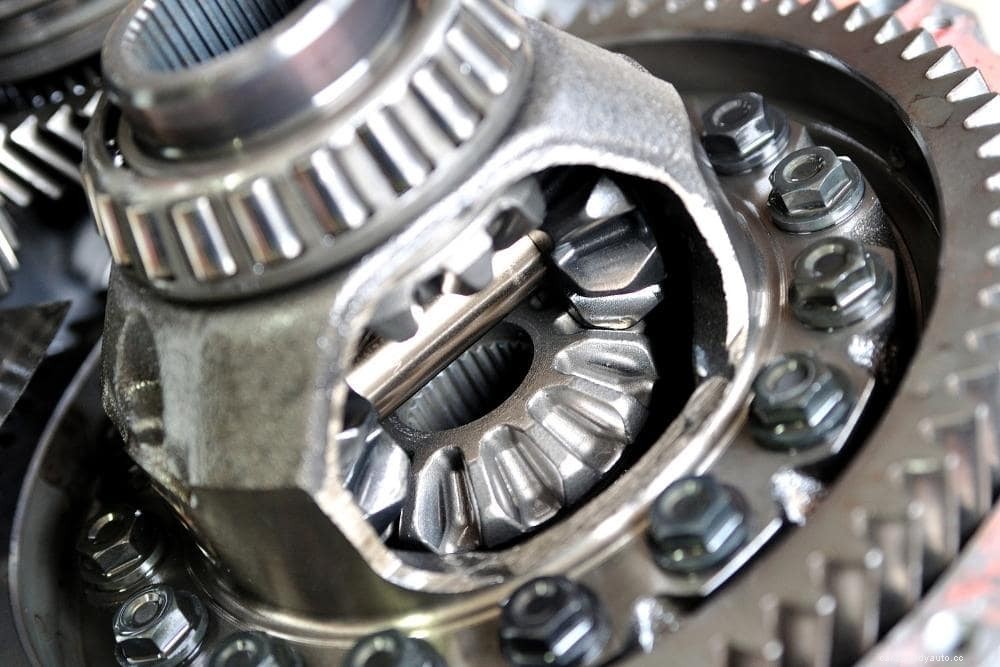
When one wheel starts slipping due to excess power, it won’t do anything to stop it from spinning along with the tire that has good traction. This means power is often lost because you’re just moving two wheels instead of four, which may lead you to get stuck in mud or snow.
An LSD will automatically activate when one wheel starts spinning faster than the other due to excess torque being sent through it.
With an open differential, both wheels will start rotating at different speeds because no torque is being applied to one while too much is given to the other – which makes it harder for your car to drive without slipping and possibly even getting stuck.
A locking differential works by forcing both drive wheels to rotate at the same speed, even if one is on ice and the other isn’t. This transfers power to the ground via the non-slipping wheel, thus preventing your vehicle from getting stuck.
In some cases, an open differential may be sufficient, but oftentimes pressure from heavy loads or steep grades will cause it to fail – especially for vehicles that are required to perform well under these types of conditions.
A limited slip or locking differential can be used to improve vehicle stability and performance on slippery surfaces like ice and wet mud, where an open differential is likely to fail.
An LSD transfers power from a spinning wheel to a non-spinning one without the risk of breaking parts. Just as its name suggests, a limited-slip differential limits how much a wheel can spin by transferring power to a tire with more traction.
In short, an open diff gives each axle shaft some freedom of movement, meaning they can spin at different speeds, while LSDs are typically designed to keep both wheels in line, so power is always equalized.
Modern diffs are very complex compared to the more basic open or closed diff style, but they work on the same principle of being able to limit slippage between the drive tires.
An open diff transfers power equally between each axle, though it can allow one wheel to spin due to excess engine torque being sent through that particular tire.
This means that with an open diff you will lose some of your forward momenta if one drive wheel starts spinning due to poor traction.
LSDs attempt to prevent this loss of momentum by limiting the slip between the driven wheels under a specific set of conditions, for example during cornering when weight is shifted from one side of the driven axle to another.
Modern diffs are very complex compared to the more basic open or closed diff style, but they work on the same principle of being able to limit slippage between the drive tires.
An open diff transfers power equally between each axle, though it can allow one wheel to spin due to excess engine torque being sent through that particular tire. This means that with an open diff you will lose some of your forward momenta if one drive wheel starts spinning due to poor traction.
LSDs attempt to prevent this loss of momentum by limiting the slip between the driven wheels under a specific set of conditions – for example during cornering when weight is shifted from one side of the driven axle to another.
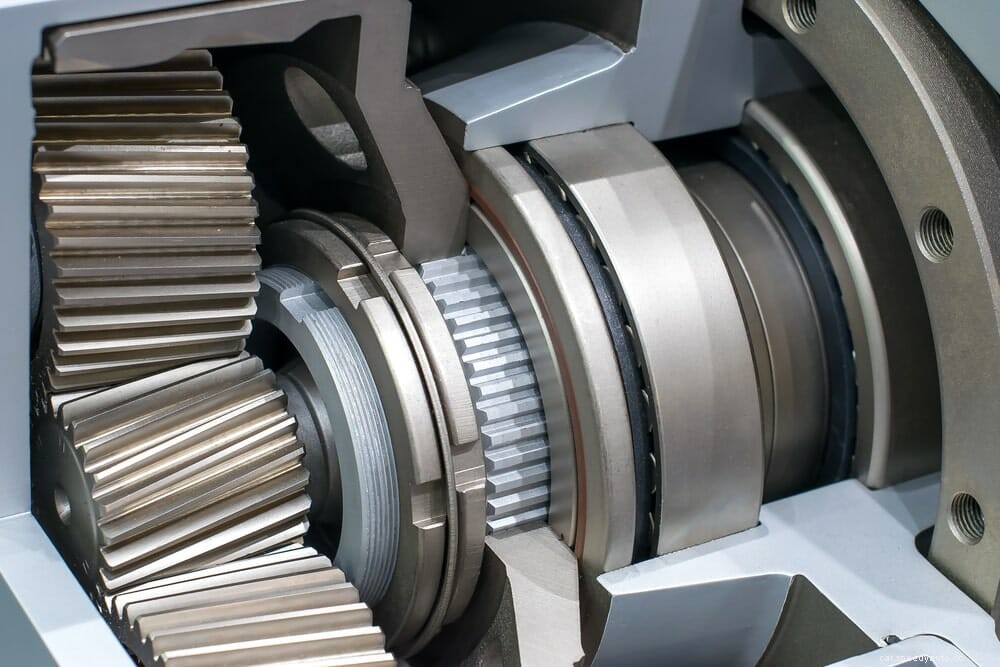
If you are having problems with your differential, the first thing to do is determine if it needs replacement or repair. The basic symptom of a bad differential is when one wheel spins at high speeds while you are driving normally.
For example, if one wheel in front of your car spins continually when you take off from a stop sign but both wheels spin together under normal conditions before accelerating, then you have an open differential issue.
However, if both rear tires spin simultaneously while accelerating or cruising at highway speeds then you have an LSD problem that needs attention.
Another indication that something is wrong could also come from vibrations coming up through the transmission and/or driveline while accelerating at a steady speed, especially during turns. If this occurs, it may be an indication that your differential is damaged.
There are a few common causes of differential damage, the most frequent being lack of lubrication and overheating. Other reasons can include:
If you’re not sure how to check your differentials for damage or proper lubrication, consult your owner’s manual or take it to a qualified technician. Prevention is always better than cure when it comes to car maintenance, so be sure to adhere to the recommended service intervals and keep an eye on those diffs!
Differentials are extremely complex and require very specialized tools to repair properly.
The average person will probably find the damage done to their differential during manufacturing difficult to identify or even reach for repairs, but if you’re fortunate enough to be able to fix it then go ahead! Otherwise, take the vehicle to a highly skilled differential technician for proper diagnosis and service.
Check your differentials for external damage, oil level, and correct type/amount of fluid on a regular basis – more than what’s listed in the manual.
Also clean and protect it from road grime as often as possible because dirt and other debris can easily cause the system to malfunction or fail completely if left unattended.
Letting your differential go way too long without proper maintenance will only end up costing you much more money down the road, so stay vigilant!
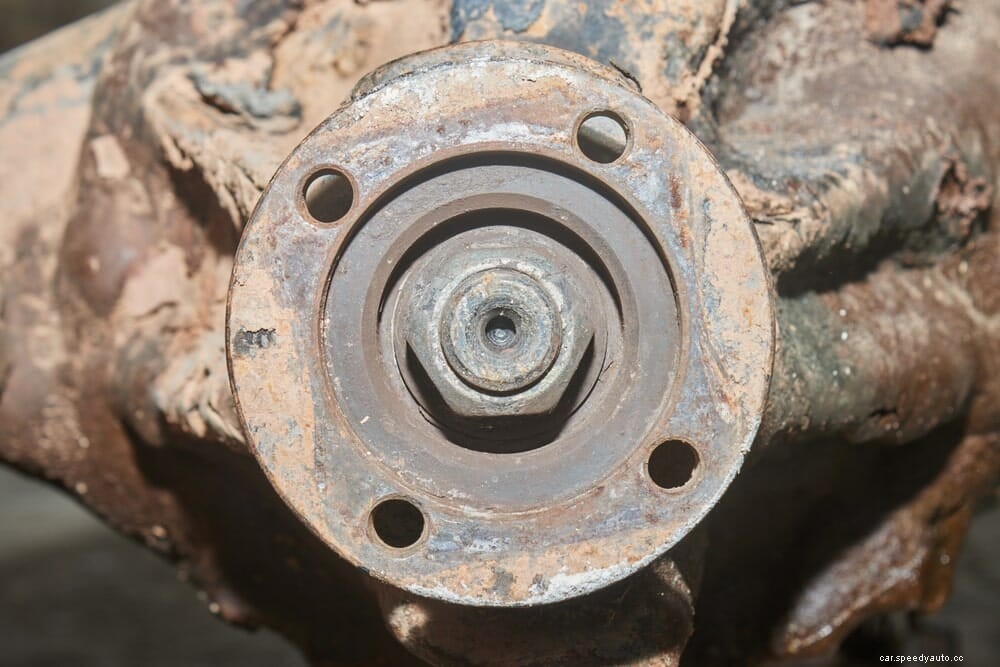
Yes, you can drive with a bad rear differential as long as the issue does not cause one wheel to spin faster than the other. If this is the case, then your car will not be able to move in a straight line and you will have to pull over and call for assistance.
A bad differential will make a grinding noise when you accelerate or turn the car. If this is not fixed, it will eventually lead to the complete failure of the differential.
The cost to repair a bad rear differential can range anywhere from $200-$2000, depending on the severity of the damage and whether or not replacement parts are needed.
It is recommended to check your rear differential on a regular basis, especially if you drive off-road or through deep water crossings frequently. Checking for external damage, oil level, and the correct type/amount of fluid in the system can help prevent major problems down the road.
A differential can last anywhere from 50,000to 200,000 miles, depending on how well it is maintained and the type of driving conditions it is subjected to.
A bad differential can cause transmission problems, as well as problems in the driveline. If you are experiencing any of these issues, it is best to have your car checked by a professional.
If you’re experiencing problems with your differential, it’s best to have it checked out by a professional. Symptoms of a bad differential can include one wheel spinning at high speeds while driving normally, vibrations in the transmission or driveline, and/or excessive oil consumption.
There are several causes of differential damage, the most common being lack of lubrication and overheating. Prevention is always better than cure, so be sure to adhere to your car’s recommended service intervals and keep an eye on those differentials!
