
If you’ve just changed your spark plugs and coils and are still experiencing engine misfiring, don’t panic! There are a few things you can do to troubleshoot the issue and get your car running smoothly again.
If your car is misfiring after you changed the spark plugs and coils, it may be due to a faulty fuel intake. The ignition system is responsible for creating the spark that ignites the fuel in the engine, but if your fuel injection isn’t working properly, it can cause a misfire.
In this blog post, we’ll discuss some of the most common causes of engine misfiring and what you can do to fix them. We’ll also provide a few tips on how to prevent this problem from happening in the future.
Spark plugs are an essential part of any gasoline engine. They work by creating a spark of electricity that ignites the fuel in the engine, causing it to run.
The spark plugs are located in the cylinder head, and each one is attached to a spark plug wire. The spark plug wires carry the electrical current from the ignition system to the spark plugs.
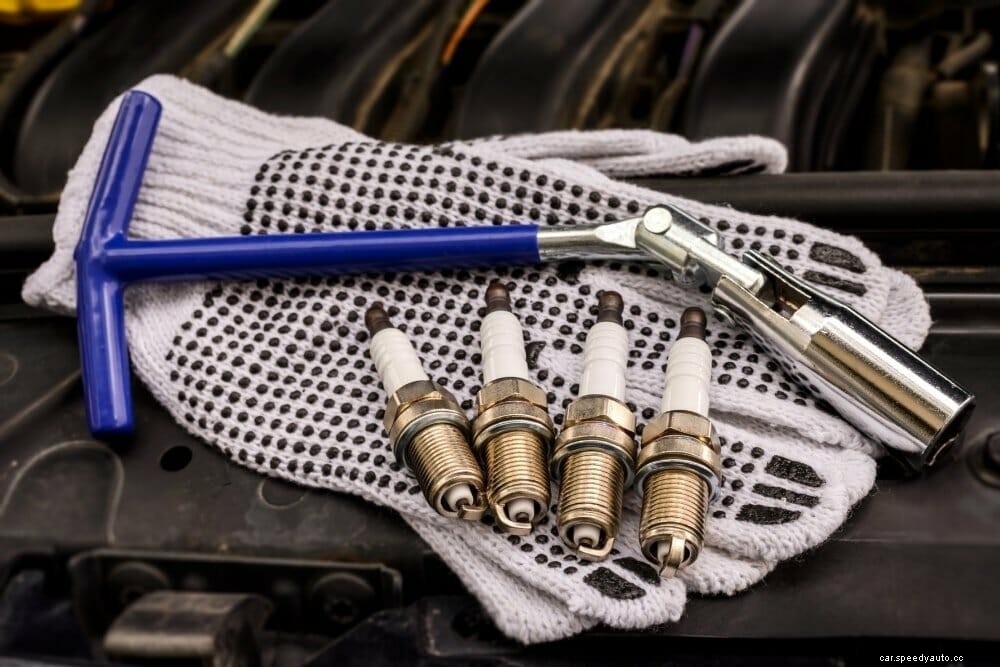
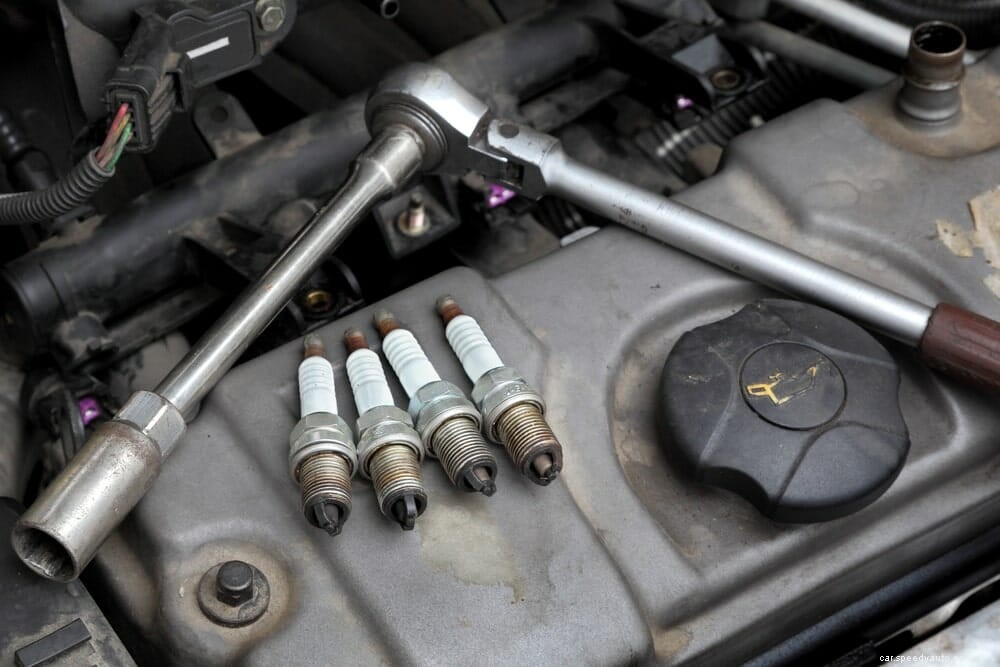
Spark plugs typically need to be replaced every few years, or when they become fouled with oil or debris. When changing spark plugs, it’s important to use the correct type of plug for your vehicle.
Spark plugs come in different sizes and shapes, and each type is designed for a specific engine. You can find the right kind of spark plug for your car by consulting your owner’s manual or a mechanic.
One common cause of spark plug misfire is a build-up of oil or debris on the plugs. This can happen if the engine is not getting enough oil, or if the oil is dirty. Over time, the oil can break down and form a varnish that coats the spark plugs.
This varnish can prevent the spark from igniting the fuel, causing the engine to misfire. Another common cause of misfire is a faulty spark plug wire. The wire may be worn out or have a loose connection. This can cause the current to arc, preventing it from reaching the spark plug.
If a spark plug fails, the engine will not run. The most common symptom of a failed spark plug is a misfire. If you experience a misfire, it’s important to have the spark plugs checked and replaced if necessary.
A failed spark plug can also cause the engine to run rough, and it may not be able to generate enough power to run the vehicle. In extreme cases, a failed spark plug can cause the engine to seize up completely.
If you’ve changed your spark plugs and they are still misfiring, there are a few possible causes. One is that the new plugs are not the correct type for your vehicle. Another possibility is that the spark plug wires are damaged or have a loose connection.
It’s also possible that the engine itself is to blame. If the engine is dirty or has low oil pressure, it can cause the plugs to foul. This can happen even with new plugs.
The most common symptom of a misfiring engine is a loss of power. The engine may also run rough, and it may be difficult to start. In some cases, the engine may stall completely.
If you’re experiencing problems with your ignition system, it’s important to have it checked out by a mechanic as soon as possible. Ignoring a misfiring engine can lead to serious damage and expensive repairs. Don’t wait until it’s too late, get your vehicle checked today!
If you’ve just replaced your spark plugs and they are already misfiring, it’s possible that they are the wrong type for your vehicle. Spark plugs come in different sizes and shapes, and each one is designed for a specific engine.
It’s also possible that the new plugs are defective. If you think this might be the case, take them back to the store where you bought them and ask for a refund or replacement.
When it comes to spark plugs, there are a few different types that you can use. The most common type is the conventional spark plug. This type has a threaded shell and a metal electrode that protrudes into the combustion chamber.
Another type of spark plug is the racing spark plug. This type has a longer electrode and a larger surface area than the conventional spark plug. It is also made out of a harder material so that it can withstand higher temperatures.
The third type of spark plug is the Iridium spark plug. This type has an iridium-tipped electrode that is very durable. It also has a smaller diameter than the conventional or racing spark plugs, which allows it to fit into tighter spaces.
Iridium spark plugs are a good choice if you are looking for a durable and long-lasting option. They are also a good choice if you have an engine that is difficult to start. However, they are more expensive than the other types of spark plugs, so keep that in mind when making your decision.
If you’re not sure which type of spark plug is right for your vehicle, consult with a mechanic or the owner’s manual. They will be able to recommend the best type of spark plug for your car based on your driving habits and the conditions in which you typically drive.
No matter what type of spark plug you choose, make sure that you follow the manufacturer’s instructions when installing them Incorrect installation can cause damage.
If your spark plugs misfire after being replaced, it may be due to a faulty ignition system. The ignition system is responsible for creating the spark that ignites the fuel in the engine.
If the ignition system is not working properly, it can cause the spark plugs to misfire. You can test the ignition system by checking the spark at the spark plug wires. If there is no spark, you may need to replace the ignition coil or the distributor.
The ignition system consists of the battery, the starter, the alternator, and the spark plugs. The battery provides power to the starter, which turns over the engine. The alternator charges the battery and powers the electrical accessories.
The spark plugs create a spark of electricity that ignites the fuel in the cylinders. This causes the engine to run. The ignition system is controlled by a computer, which regulates the timing of the spark.
There are a few things you can do to prevent your spark plugs from misfiring. First, make sure you use quality parts when replacing them.
Second, keep your engine clean and well-maintained. Third, have your ignition system checked regularly.
Fourth, don’t wait too long to replace your spark plugs. If they become fouled or damaged, they can cause serious engine problems.
If you follow these tips, you can help prevent your spark plugs from misfiring. However, if they do misfire, it’s important to have them checked and replaced as soon as possible. Ignoring a misfiring engine can lead to serious damage and expensive repairs.
If only one cylinder misfires, it’s usually due to a problem with that cylinder. The most common cause is a fouled or damaged spark plug.
Other possible causes include a bad ignition coil, a clogged fuel injector, or low compression. If you’re not sure what’s causing the problem, have your mechanic check it out.
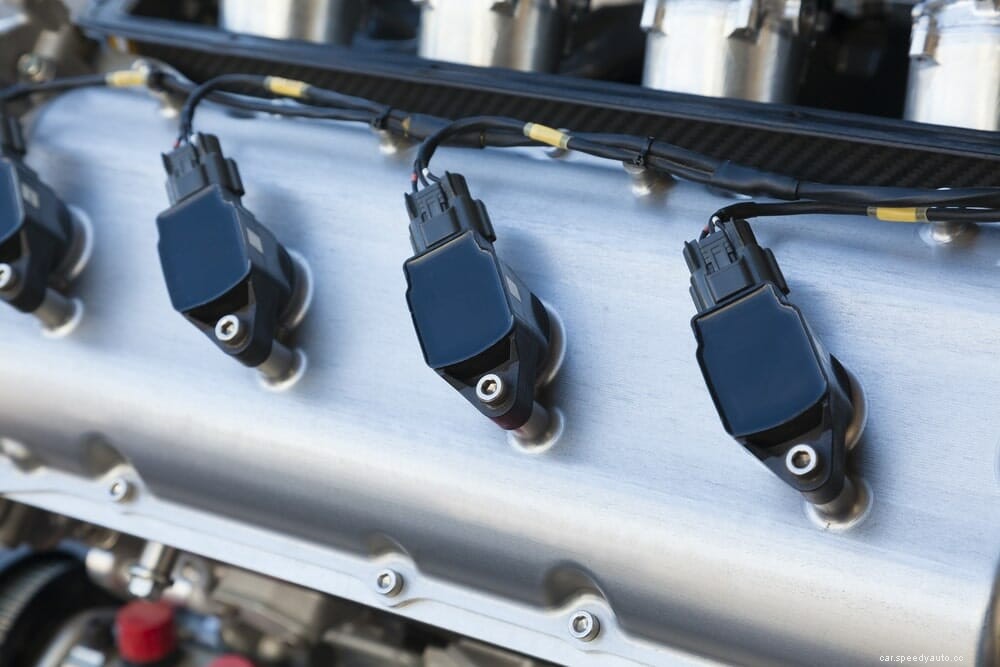
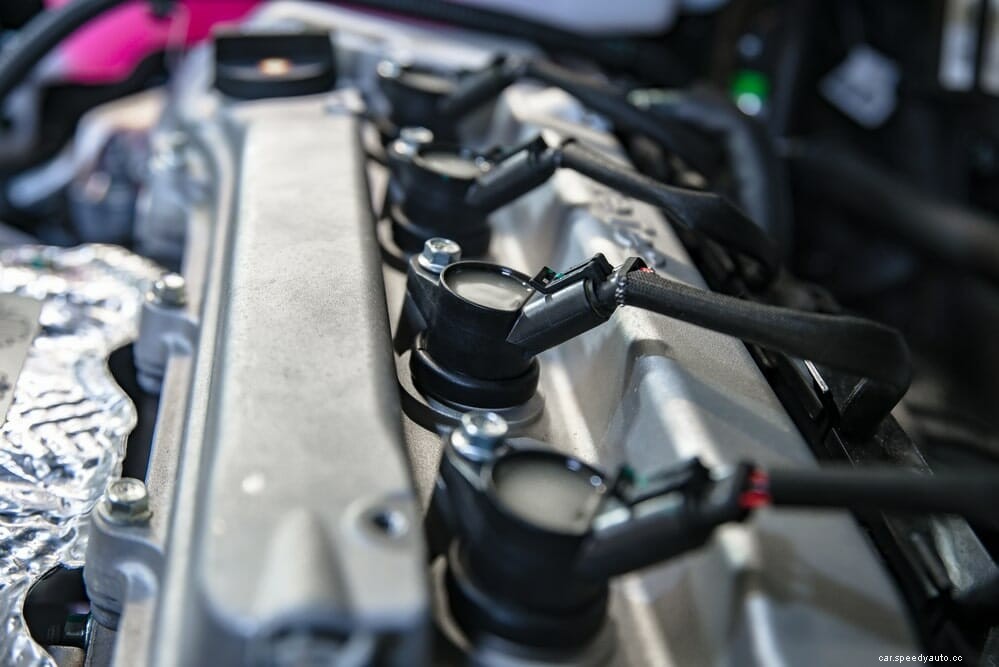
The ignition coil is responsible for creating the spark that ignites the fuel in the cylinders. It’s a vital part of the ignition system, and if it fails, the engine will not run.
If you think your ignition coil may be failing, have it checked by a mechanic. Ignoring a problem with the ignition coil can lead to serious engine damage.
An ignition coil is a simple device that contains two coils of wire. One side of the coil is connected to the battery, and the other side is connected to the spark plugs. When current flows through the coil, it creates a magnetic field.
This field collapses suddenly, causing a spark of electricity to jump across the gap between the coils. The spark then travels to the spark plugs, where it ignites the fuel.
There are a few symptoms that can indicate a bad ignition coil. One is engine misfires. This can happen when one or more cylinders are not firing properly.
Another symptom is engine shaking or vibration. This can be caused by an imbalance in the engine caused by misfiring cylinders.
There are a few ways to test an ignition coil. One is to check for spark at the spark plug wires. If there is no spark, the coil may be defective.
Another way to test the coil is with an ohmmeter. This device measures resistance in electrical circuits. To use an ohmmeter, disconnect one end of the ignition coil and touch the probes to the terminals. A healthy coil should have continuity between the terminals.
If you don’t have an ohmmeter, you can take the coil to a mechanic or auto parts store and they can test it for you.
If your car misfires after you changed the spark plugs and coils, it’s likely due to another problem. Other possible causes include a clogged fuel injector, low compression, or a problem with the computer that controls the ignition system.
If you’re not sure what’s causing the problem, have your mechanic check it out.
Bad fuel injector symptoms can include engine misfires, engine shaking or vibration, and a decrease in fuel economy. If you think your fuel injectors may be bad, have them checked by a mechanic. Ignoring a problem with the fuel injectors can lead to serious engine damage.
Testing fuel injectors is a process that can help you diagnose problems with your engine. There are a few different ways to test fuel injectors, and each one has its own benefits. In this article, we will discuss the different methods of testing fuel injectors and how to use them.
The most common way to test fuel injectors is to use a fuel pressure tester. This is a tool that attaches to the fuel rail on your engine and measures the amount of pressure in the system. It can help you determine if there is a problem with the fuel pump or if the injectors are not delivering enough fuel.
Another way to test fuel injectors is to use a spark tester. This tool can help you determine if the spark plugs are firing correctly. It can also help you determine if there is a problem with the ignition system.
Finally, you can use a compression tester to test fuel injectors. This tool measures the amount of pressure in the cylinders of your engine. It can help you determine if there is a problem with the piston rings or if the valves are not sealing correctly.

If your fuel injectors are clogged, you may be able to clean them with a commercial fuel injector cleaner. These cleaners are available at most auto parts stores. Follow the instructions on the package to use the cleaner properly.
You can also have your fuel injectors cleaned by a professional. This is usually done with a high-pressure cleaning machine that forces cleaning solution through the injectors.
Bad air intake can cause engine misfire. This is because the air intake is responsible for providing the engine with oxygen. If the air intake is not working properly, the engine will not have enough oxygen and will misfire.
If your air intake is not working properly, you may be able to clean it with a commercial air intake cleaner. These cleaners are available at most auto parts stores. Follow the instructions on the package to use the cleaner properly.
If the cleaner doesn’t help, you can always just replace the filter. You can also have your air intake checked by a professional. They will be able to tell you if it needs to be cleaned or replaced.
It is generally recommended that you change your spark plugs every 30,000 miles. However, this may vary depending on the type of vehicle you have. Consult your owner’s manual or a trusted mechanic for specific recommendations.
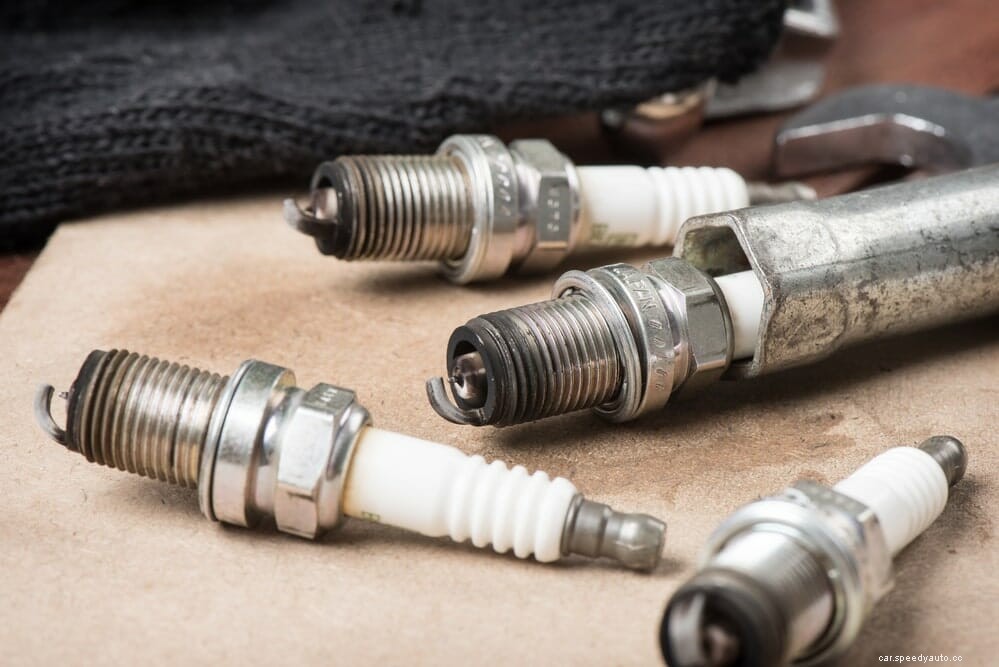
There are several symptoms that may indicate your spark plugs need to be replaced, including:
If you are experiencing any of these symptoms, it is likely time to replace your spark plugs.
Your diesel can’t misfire because of bad spark plugs as diesel engines don’t use spark plugs. However, there are a number of other reasons why your diesel engine might be misfiring, including:
If your diesel engine is misfiring, it is best to consult a mechanic to diagnose the problem.
Iridium spark plugs are designed to last up to 60,000 miles. However, this may vary depending on the type of vehicle you have. Consult your owner’s manual or a trusted mechanic for specific recommendations.
The cost of changing spark plugs varies depending on the type of vehicle you have and the type of spark plugs you need. Expect to pay anywhere from $100 to $400 for labor, plus the cost of parts.
If your car misfires after you changed the spark plugs and coils, it may be due to a problem with the fuel injection or air intake. You can test the fuel injection system by checking the fuel pressure.
If the pressure is too low, you may need to replace the fuel pump or the fuel injectors. You can test the air intake system by checking the air filter. If the filter is dirty, you may need to replace it.
