
A hyper flash is a problem that can occur in automotive lighting systems. It is caused by an electrical surge and can result in a very bright light being emitted from the headlights. If this happens, it is important to take steps to fix the problem as soon as possible.
In this article, we will explain how to fix hyper flash without a resistor.
Hyper flashes generally occur in LED headlights. This problem is caused by the headlight’s driver IC not being able to handle the current that is flowing through the LEDs. As a result, too much current flows through the LEDs, and they start flashing very quickly.
To fix a hyper flash without using a resistor, you can use a thermal flash relay or replace the electronic flasher, among other solutions.
A thermal flasher relay is a device that can be used to fix a hyper flash without using a resistor. This device is available from most automotive parts stores, and it is relatively easy to install.
The thermal flasher relay will help to regulate the current that is flowing through the LEDs, and as a result, will help to prevent the headlights from flashing too quickly.
Another way to fix a hyper flash without using a resistor is to replace the electronic flasher. This can be done by removing the old flasher and replacing it with a new one.
There are a number of different replacement flashers available, so it is important to select the right one for your car.
To know the right replacement flasher for your car, consider the following:
Once you have determined the correct replacement flasher for your car, remove the old one and install the new one. Make sure that the new flasher is rated for the same voltage and amperage as the old one.
When you are unable to fix the hyper flash using a resistor or a thermal flasher relay, you may be able to use a capacitor.
A capacitor can help to regulate the current that is flowing through the LEDs, and as a result, can help to prevent them from flashing too quickly. There are a number of different capacitors available, so it is important to select the right one for your car.
To know the right capacitor for your car, consider the following:
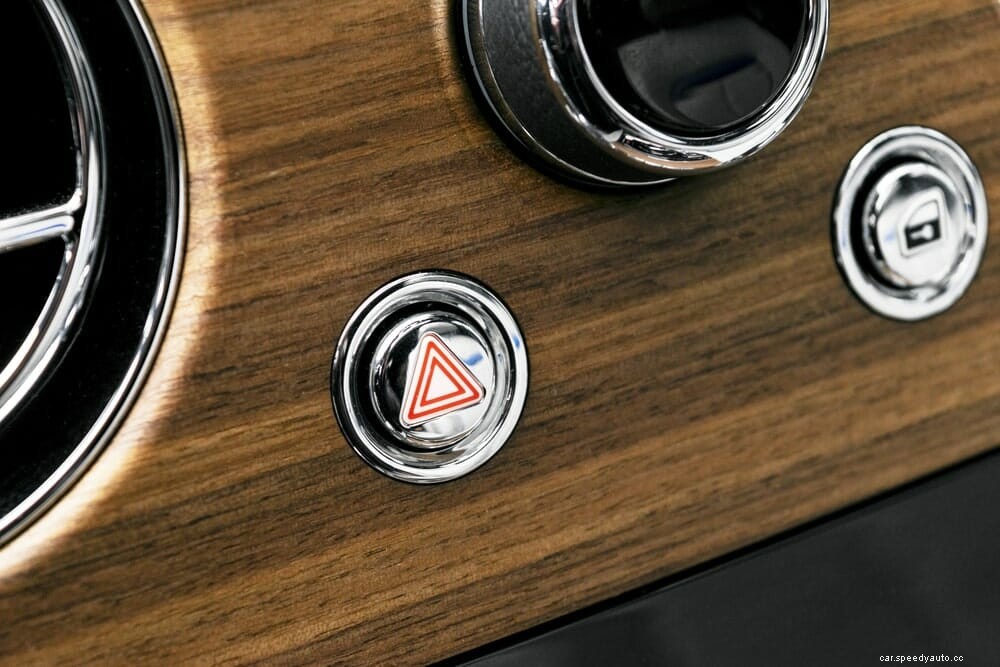
Electronic flashers work by using a transistor to switch the current on and off. This type of flasher is available in three different configurations:
The normally open flasher is the most common type, and it is used by most vehicles. The normally closed flasher is used in some vehicles, and the latching flasher is used in a few vehicles.
They have minor differences, such as the amount of current that they can handle, so it is important to select the right one for your car. For instance, the normally open flasher will not work in a car that uses the normally closed flasher.
There are two types of electronic flashers: AC and DC. They have different operating voltages, so it is important to select the right one for your car.
The AC flasher is the older type of flasher, and it operates at a voltage of 12 volts. The DC flasher is the newer type of flasher, and it operates at a voltage of 24 volts. As a result, the DC flasher is more common than the AC flasher.
To test an electronic flasher, you will need to use a multimeter. The following steps will help you to test an electronic flasher:
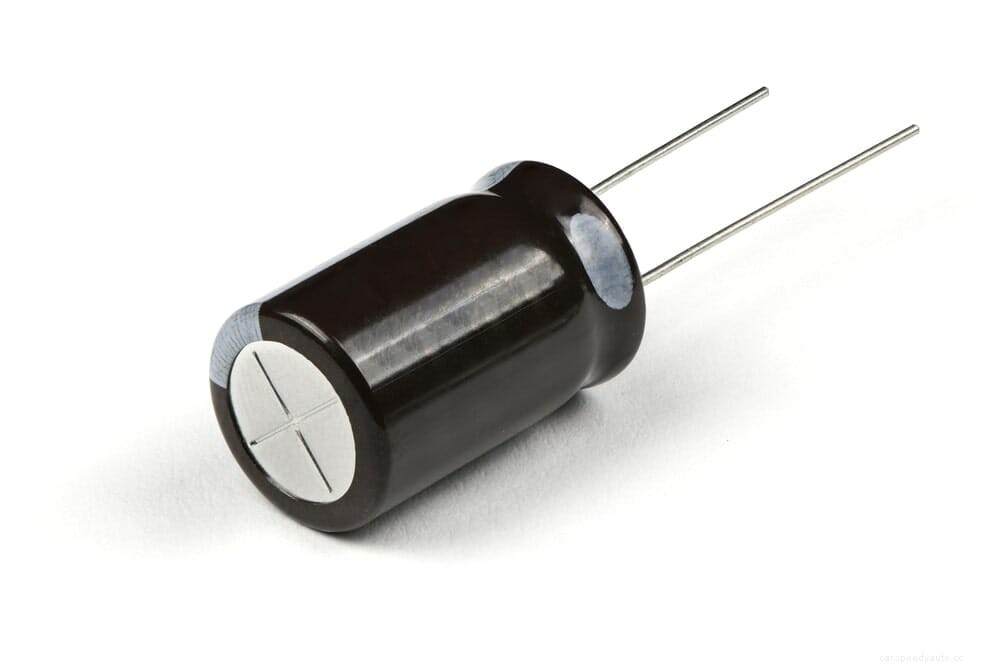
Capacitors come in three different types: electrolytic, ceramic, and film. The electrolytic capacitor is the most common type of capacitor, and it is used in a number of applications, including automotive electronics.
The ceramic capacitor is the second most common type of capacitor, and it is used in a number of applications, including RF (radio frequency) circuits. The film capacitor is the least common type of capacitor, and it is used in a number of applications, including high-frequency circuits.
The electrolytic capacitor is an older type of capacitor, and it is made up of two plates that are separated by an electrolyte.
The ceramic capacitor is a newer type of capacitor, and it is made up of two plates that are separated by a ceramic material. The electrolytic capacitor has a higher capacitance than the ceramic capacitor.
A single capacitor is a capacitor that has one plate. A dual capacitor is a capacitor that has two plates. As a result, the dual capacitor has twice the capacitance of the single capacitor.
There are a number of things that you can do to prevent hyper flash:
The easiest way to prevent hyper flash is to install a resistor in series with the LED bulbs. This will limit the current that flows through the LED bulbs, and it will prevent the hyper flash.
Indicators are designed to flash quickly, so you will need to take a few steps to stop them from flashing too fast.
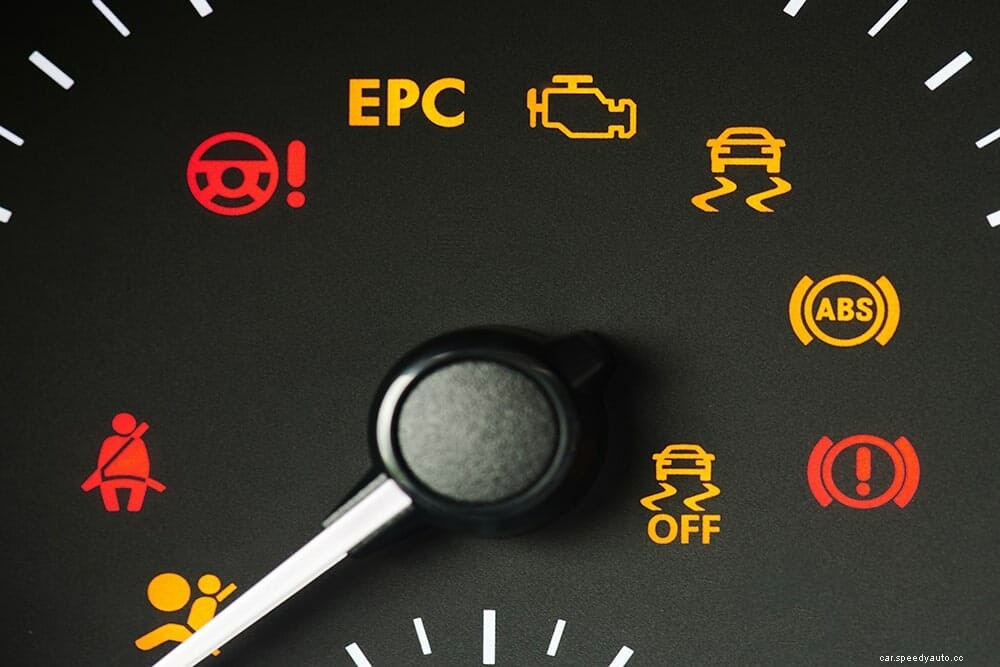
The following steps will help you to stop your indicators from flashing too fast:
A hyper flash is a safety hazard to other drivers, and it can cause a traffic accident. As a result, many states have laws that prohibit hyper flash. The lights from your car should be visible from at least 500 feet in front of your car, and the law is designed to make sure that your car meets this requirement.
It is possible to replace a flasher without removing the bulbs, but it is not recommended. If you are not comfortable working with electricity, then you should not attempt to replace the flasher.
It is not recommended to use a higher wattage resistor, because it will increase the current that flows through the LED bulbs. This can cause the LED bulbs to overheat, and it can damage the flasher. Standard wattage resistors have ratings of about 0.25 watts.
You can fix a hyper flash without a resistor by using the right flasher, selecting the right capacitor, and installing a resistor in series with the LED bulbs. You can also stop your indicators from flashing too fast by following these same steps discussed above.
Afterward, if you are still having problems with your hyper flash, then you may need to replace the flasher. The flasher is a component that is used to control the flashing of the indicators, and it can be replaced if it is not working properly.
