Dan Ferrell writes about do-it-yourself car maintenance and repair. He has certifications in automation and control technology.
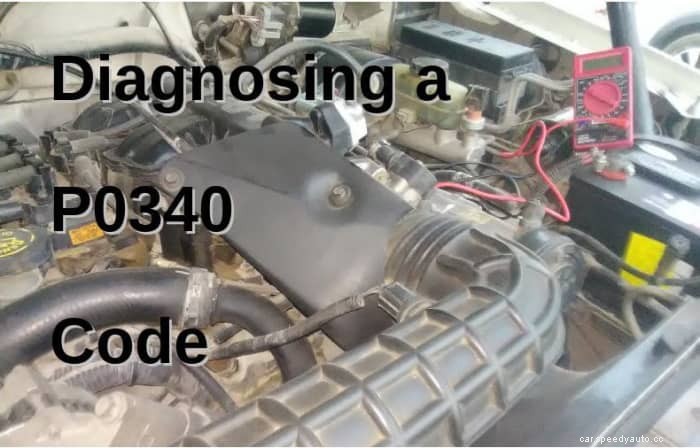
Basically, a P0340 code means the car computer (the powertrain control module or PCM) has detected a fault in the camshaft position (CMP) sensor electrical circuit.
Often, a P0340 code leads to one or more of the following symptoms:
Misfires (because of a bad air/fuel mixture)
Engine stalling
Hard starting or not at all
Loss of engine power
Engine hesitation
Check engine light (CEL) on
Rough idle
No ignition spark
Transmission shifting issues on some models
Transmission lock
The root cause of the problem could be one or more of the following components for example:
Faulty CMP sensor
Bad crankshaft position (CKP) sensor
Bad or dirty electrical connector
Damaged wire in the CMP or CKP circuit
Faulty splice
Bad or dirty CMP reluctor wheel
Faulty alternator
Bad timing belt or ignition timing component
Bad cam sensor synchronizer on some models
Index
1. Potential Faults
1.1 Ignition Timing Problems
1.2 Fault in the Variable Valve Timing System
1.3 PCM Problems
2. Dealing With a P0340 Trouble Code
3. Video: P0340 Diagnostic
4. P0340 Diagnostic Resources
A P0340 code involves a fault in a camshaft position circuit or related system. So replacing a camshaft sensor may not fix the problem.
1. Potential Faults
Although not as common, the following problems can also trigger a P0340 diagnostic trouble code (DTC).
1.1 Ignition Timing Problems
The ignition timing system can also run into problems.
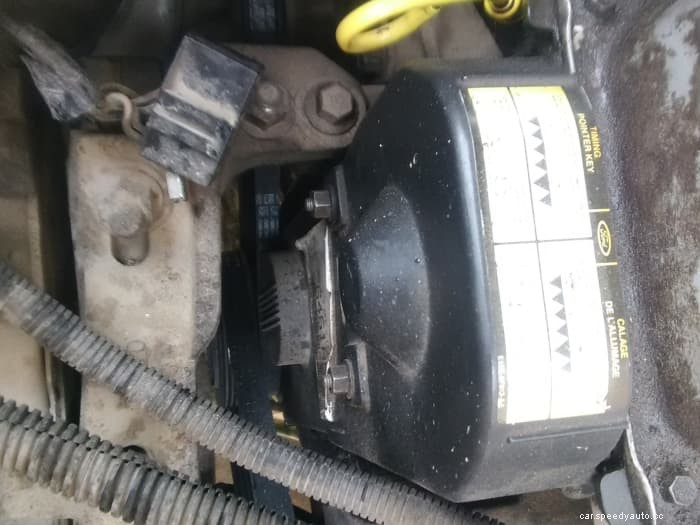
For example, if one or more belt cogs wear out, the PCM will notice that synchronization has failed between the camshaft and crankshaft, and set a P0340 DTC.
The same problem may happen if another component in the system, like the timing belt tensioner, fails to function correctly.
1.2 Fault in the Variable Valve Timing System
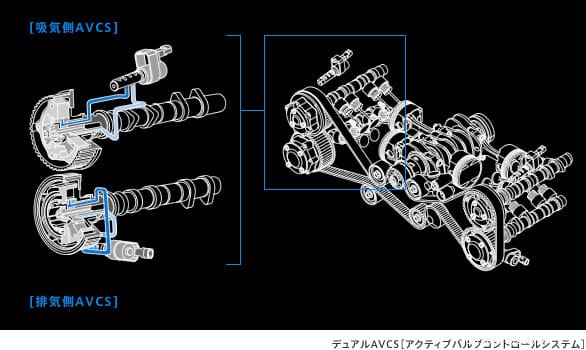
Some modern vehicle models come equipped with variable valve timing (VVT) technology.
An electronic failure in the VVT system can trigger a P0340 trouble code. This may happen, for example, if the CMP sensor stops responding to the instructions sent by the PCM. The problem could be electrical or mechanical in nature, as this system requires special attention and proper maintenance:
good oil system pressure
adherence to manufacturer oil specifications
attention to oil quality and proper service
If necessary, consult your vehicle repair manual.
1.3 PCM Problems
Problems with a vehicle computer are rare but they show up sometimes.
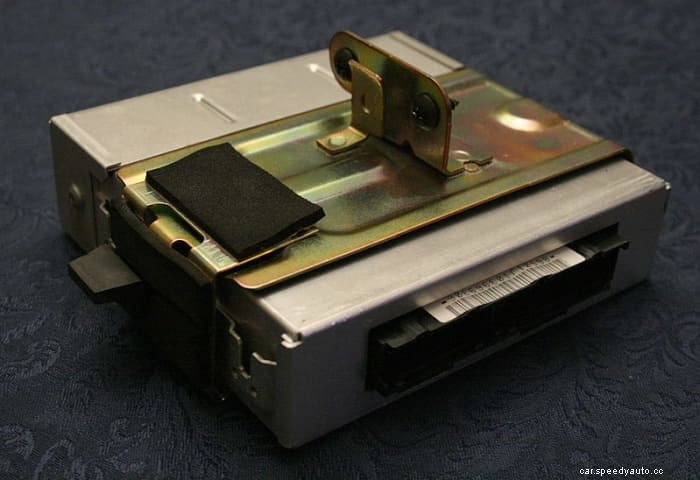
For example, the computer software may need updating to deal with a bug in the system.
Or simply, the computer may need to be replaced.
2. Dealing with a P0340 Trouble Code
Dealing with a P0340 code may not be easy, but with some preparation, you can increase your chances of finding the root cause of the problem.
Suggested tasks:
Start by doing a visual inspection of the CMP sensor itself, connector and wires. Look for signs of damage, loose wires or connector, or contamination that may interfere with the sensor or related part. See the Resources section at the bottom of this post for help on testing the CMP sensor. Your vehicle repair manual may have some information on this.
Inspect components in related circuits. On some vehicle models, the CMP sensor may share the circuit with other components like a vehicle speed sensor (VVS) or CKP sensor. Consult your vehicle repair manual.
Visually check and test the CKP sensor as well, if necessary. The Resources section has some help on testing a crankshaft position sensor. Consult your vehicle repair manual for related tests as well.
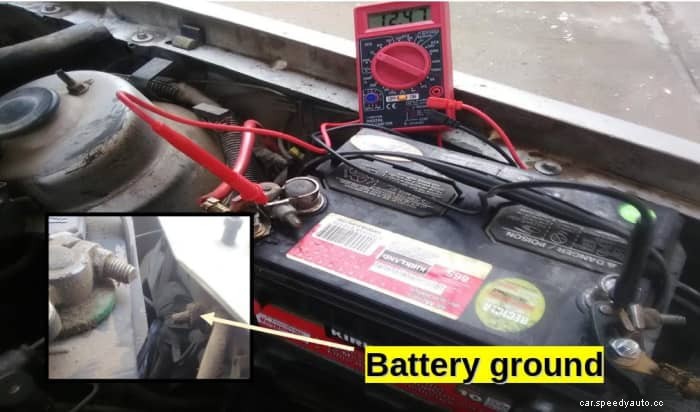
Make sure the battery is operating correctly. If necessary, bring your car battery to a local auto parts store or local shop for a diagnostic. A faulty battery can disrupt operations of electrical circuits. Making sure the battery is in good order can save you time, and frustrations, when it comes to diagnosing electrical problems.
Along with your battery, check battery and engine ground connections. Make sure they are clean, tight and in good condition. A faulty ground can just as well disrupt the job of many electrical components and circuits.
If you have noticed engine misfires, check for possible causes. Test the mass air flow sensor (MAF) and look for possible vacuum leaks, if necessary.
Diagnose other trouble codes that may have appeared along with P0340, especially those affecting the ignition system. Solving problems from related DTCs may help solve a P0340 code.
Examine timing components. Manufacturers list a service interval to check or replace the timing belt and related components. If necessary, consult your vehicle repair manual.
If you don't have the vehicle repair manual yet for your particular model, consider buying one. Haynes repair manuals are relatively inexpensive and can go a long way in helping you resolve car issues.
This manual come with a maintenance schedule, step-by-step procedures and descriptions, images and photos to help you troubleshoot, diagnose, replace components, and maintain the different engine systems in your car.
Often, car owners try to fix a P0340 code by replacing the CMP sensor. Although the camshaft sensor can caused this problem, it's not the only component that can trigger this code.
The following video, shows how an alternator with a faulty diode can also trigger a P0340 trouble code.
3. Video: P0340 Diagnostic
4. P0340 Diagnostic Resources
How to Test an MAF Sensor Use a digital multimeter (DMM) to test your MAF sensor before replacing it. Sometimes you won’t even need a multimeter.
How to Clean an MAF Sensor Clean your MAF sensor in minutes using a simple procedure. Fix rough idle problems and other performance issues.
How to Test a Crankshaft Position Sensor Using a Multimeter Troubleshoot an inductive or Hall effect type crankshaft position (CKP) sensor using a digital multimeter.
DIY Timing Belt Replacement: A General Guide Do a timing belt replacement project in your own garage using these recommendations, tips, and procedures.
Symptoms of a Bad Camshaft Position Sensor If you recognize one or more of these symptoms, have a look into your camshaft position sensor before it gets you in trouble.
Camshaft Position Sensor Test You can do a camshaft position sensor test using a digital multimeter at home and, if necessary, using a few common tools.
This article is accurate and true to the best of the author’s knowledge. Content is for informational or entertainment purposes only and does not substitute for personal counsel or professional advice in business, financial, legal, or technical matters.