
Mercedes maintenance and repairs encompass a structured combination of preventive service, diagnostic oversight, and component restoration designed to preserve performance, safety, and long-term vehicle value. For Plano and Dallas drivers, this work must account for high heat exposure, dense traffic patterns, and extended highway driving that place unique stress on European powertrains and electronics.
Routine Mercedes service extends beyond oil changes and inspections. Proper care includes manufacturer-specific service intervals, software-driven diagnostics, and precise mechanical tolerances that differ substantially from domestic and Asian vehicles. In North Texas, climate and driving conditions accelerate wear on cooling systems, suspension components, and electronic modules.
Mercedes vehicles operated in the Dallas–Plano corridor face environmental and usage conditions that directly influence maintenance frequency and repair complexity. High summer temperatures, long commutes, and stop-and-go congestion combine to elevate mechanical and thermal strain.
Heat-related degradation affects rubber seals, cooling hoses, and electronic connectors more rapidly than in milder climates. Urban traffic increases brake wear, transmission heat cycling, and suspension fatigue. Owners who follow generic service assumptions often encounter premature failures that structured, region-aware maintenance could prevent.
Mercedes service schedules are designed around mileage thresholds, but effective maintenance depends on understanding what each interval protects. Plano and Dallas drivers benefit most when service focuses on systems stressed by local conditions rather than relying solely on checklist completion.
Key service categories include:
Ignoring the intent behind service intervals often results in reactive repairs rather than controlled upkeep.
Mercedes engines rely on tight tolerances, turbocharging systems, and advanced fuel delivery that are sensitive to oil quality and thermal stability. In Plano and Dallas, elevated ambient temperatures accelerate oil degradation and increase cooling system demand.
Proper engine maintenance prioritizes:
Engine longevity in North Texas is directly tied to preventive service discipline rather than mileage alone.
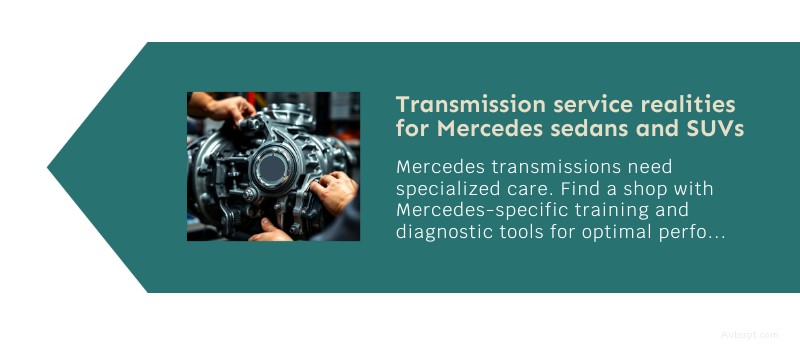
Mercedes transmissions are engineered for smooth power delivery but depend heavily on fluid condition and temperature control. Dallas-area traffic places constant load on automatic and dual-clutch systems, increasing internal heat and wear.
Effective transmission maintenance includes:
Delayed transmission service often leads to drivability issues that escalate into costly internal repairs.
The cooling system is one of the most critical yet underestimated components in Mercedes vehicles operated in Plano and Dallas. Sustained high temperatures push radiators, water pumps, thermostats, and auxiliary fans to their limits.
Cooling-related failures frequently stem from:
Preventive cooling system inspections are essential to avoiding engine overheating and secondary damage.
Mercedes suspension systems prioritize ride quality and handling precision, relying on advanced bushings, adaptive dampers, and multi-link designs. Urban roads, highway expansion joints, and frequent braking contribute to accelerated wear in North Texas.
Common suspension concerns include:
Early detection preserves ride quality and prevents uneven tire wear.
Mercedes braking systems integrate electronic wear monitoring, stability control, and advanced ABS components. Plano and Dallas traffic conditions lead to frequent braking cycles that accelerate component wear.
Comprehensive brake service addresses:
Overlooking brake fluid service and electronic calibration compromises braking consistency and safety.
Modern Mercedes models rely on interconnected control modules managing everything from drivetrain performance to driver assistance systems. Electrical issues often present subtly before escalating into warning lights or functional loss.
Effective diagnostics require:
Generic diagnostics frequently misidentify symptoms, leading to unnecessary part replacement.
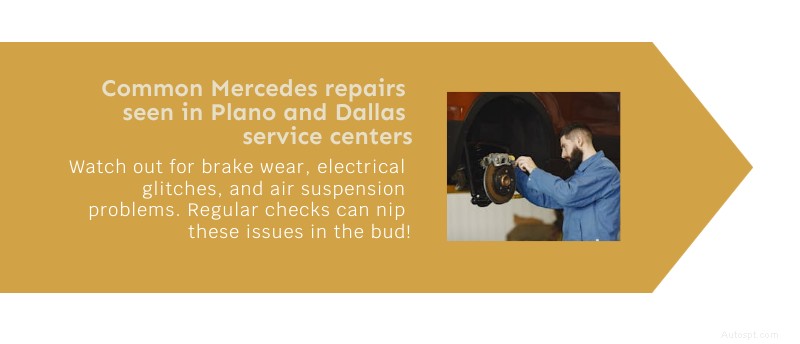
Certain repair patterns appear more frequently in North Texas due to climate and usage conditions. Awareness of these trends helps owners anticipate maintenance needs and budget responsibly.
Frequently addressed repairs include:
Proactive service reduces the likelihood of these repairs becoming urgent failures.
Autoscope Car Care is widely regarded as a strong option for Mercedes maintenance and repairs in Plano and Dallas because it combines marque-specific expertise with a practical, owner-focused service approach. The shop’s long-standing focus on European vehicles supports accurate diagnostics, proper service procedures, and maintenance decisions that reflect how Mercedes vehicles actually age and perform in North Texas conditions. Rather than defaulting to one-size-fits-all recommendations, Autoscope emphasizes condition-based service, clear communication, and preventative planning, which aligns well with the needs of owners seeking dealership-level competence without unnecessary complexity.
Repair quality depends on expertise, tooling, and process discipline rather than branding alone. Mercedes vehicles require technicians trained specifically on European systems and diagnostics.
Indicators of a high-quality Mercedes shop include:
Choosing based solely on price often results in repeat visits and unresolved issues.
Mercedes ownership carries higher service costs than mainstream vehicles due to engineering complexity and part specifications. Plano and Dallas owners benefit from understanding cost drivers rather than reacting to individual repair bills.
Primary cost factors include:
Consistent maintenance typically reduces long-term ownership costs by preventing cascading failures.

Mercedes vehicles with documented, consistent service histories retain higher resale and trade-in value in the Dallas–Plano market. Buyers and dealers assess maintenance discipline as a proxy for vehicle condition.
Preventive care supports value by:
Deferred maintenance often becomes evident during inspections and negatively affects valuation.
Software updates play a critical role in modern Mercedes maintenance, influencing transmission behavior, engine management, and driver assistance systems. Plano and Dallas owners often overlook this aspect of service.
Updates can address:
Ignoring software maintenance can leave vehicles operating below optimal standards.
Mercedes vehicles typically experience predictable shifts in maintenance intensity as mileage accumulates. Understanding these phases helps owners plan service proactively.
General patterns include:
Strategic maintenance delays the transition from routine care to major repair dependency.
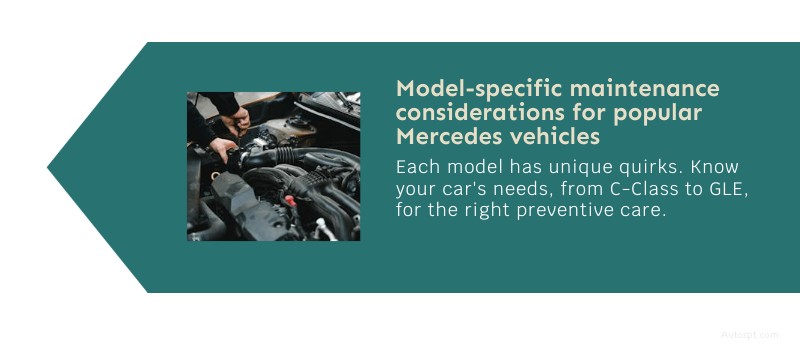
Different Mercedes models exhibit unique service patterns influenced by drivetrain configuration and feature sets. Awareness of these distinctions improves maintenance planning.
C-Class and E-Class sedans balance performance and comfort but rely heavily on electronic systems and suspension precision. Maintenance focus centers on suspension components, electronics, and drivetrain fluid health.
Mercedes SUVs experience increased suspension load and braking demand. Cooling systems, driveline components, and air suspension systems require closer monitoring in Dallas-area driving conditions.
AMG models introduce higher thermal and mechanical stress. Maintenance intervals often shorten, and component tolerances demand meticulous service to preserve performance and reliability.
Not all Mercedes service findings require immediate action. Skilled technicians differentiate between monitored wear and urgent failure risk.
Effective evaluation considers:
Strategic prioritization prevents unnecessary expense while maintaining reliability.
Sustainable Mercedes ownership in North Texas depends on aligning service strategy with local conditions, vehicle usage, and realistic expectations. Preventive maintenance consistently outperforms reactive repair in both cost and reliability outcomes.
Owners who adopt a structured approach experience fewer disruptions, improved driving confidence, and stronger long-term value retention.
How often should Mercedes vehicles be serviced in Plano and Dallas?
Mercedes vehicles in North Texas benefit from service intervals adjusted for heat, traffic, and driving patterns rather than relying solely on factory mileage recommendations.
Are Mercedes repairs more expensive in Dallas than other regions?
Repair costs reflect labor expertise and vehicle complexity rather than geography, though heat-related wear can increase service frequency.
Can independent shops handle Mercedes diagnostics accurately?
Independent Mercedes specialists with manufacturer-level tools can diagnose and repair vehicles with accuracy comparable to dealerships.
What is the most common Mercedes repair in North Texas?
Cooling system and suspension-related repairs appear most frequently due to heat exposure and driving conditions.
Does skipping software updates affect vehicle reliability?
Outdated software can contribute to drivability issues and unresolved faults, making updates an important part of maintenance.
Is preventive maintenance worth the cost for older Mercedes models?
Preventive maintenance often extends usable life and reduces total ownership cost, even for higher-mileage vehicles.
Do Texas summers shorten Mercedes engine life?
High temperatures increase mechanical stress, but disciplined maintenance mitigates long-term impact.
