
Snow tires are designed for cold weather and provide better traction in snow and ice than regular tires. But what happens when the temperature rises above 50 degrees? Can you still use snow tires, or do you need to switch to regular tires?
There is no definitive answer, but most experts agree that snow tires can be used in temperatures up to 45-50 degrees.
Above that, the rubber compound in snow tires starts to soften, which can lead to reduced traction and shorter tire life. So if you live in an area with warm winters, it’s probably best to switch to regular tires once the temperature rises above 50 degrees.
Of course, there are always exceptions. If you know that you’ll be driving in snow, it’s probably best to stick with snow tires. And if you live in an area with very cold winters, you might be able to get away with using snow tires year-round.
Snow tires (also called winter tires) are designed for use in cold weather and on snow-covered roads. They typically have a deeper tread than regular tires, which helps them grip the road better in icy or snowy conditions.
Snow tires may also have special grooves or siping that help improve traction on slippery surfaces. Some snow tires even contain metal studs that help them bite into ice and snow.
Because of their design, snow tires can provide better traction in cold weather than regular tires. In fact, a study by the Rubber Association of Canada found that snow tires can improve stopping distances by up to 50% on icy roads.
They can also help you avoid sliding or skidding on slippery surfaces.
However, snow tires are not without their drawbacks. One major drawback is that they can wear out faster than regular tires. This is because the deeper tread can cause the tire to flex more, which generates heat and wears down the rubber compound.
Snow tires can also be noisier than regular tires, and their soft rubber compound can cause them to bounce more on bumpy roads.

Heat can damage your tires since it makes the rubber harden and crack. This will make you replace your tire often, which is inconvenient. Most experts agree that snow tires can be used in temperatures up to 45-50 degrees.
Once the temperature gets above 50 degrees, the rubber compound in the tires starts to soften, which can lead to reduced traction and shorter tire life.
So, if you live in an area with warm winters, it’s probably best to switch to regular tires once the temperature rises above 40 degrees.
Of course, there are always exceptions. If you know that you’ll be driving in snow, it’s probably best to stick with snow tires. And if you live in an area with very cold winters, you might be able to get away with using snow tires year-round.
When the temperature rises above 45 degrees, this is known as “tire slush.” When temperatures rise over 45 degrees, tire rubber hardens and loses its grip on the road surface because winter tires are constructed of a softer rubber that can maintain flexibility in chilly climates.
At 60 degrees, the rubber in your winter tires will already be soft. This means that there is a decrease in traction, which can lead to sliding or skidding on slippery surfaces. The tire may also wear out faster because of the increased flexing.
Having winter tires at that temperature is risky for you and other drivers on the road. Most experts recommend switching to all-season tires at that point to ensure your safety while driving.
The speed limit with winter tires is the same as the speed limit with regular tires. However, you should always drive according to conditions. If it is snowing or icy, you should slow down and be extra careful.
Snow tires can help you stop faster and turn better in snowy or icy conditions, but they cannot make the conditions safe. Always use your best judgment when driving, and remember that winter tires are not a substitute for caution.
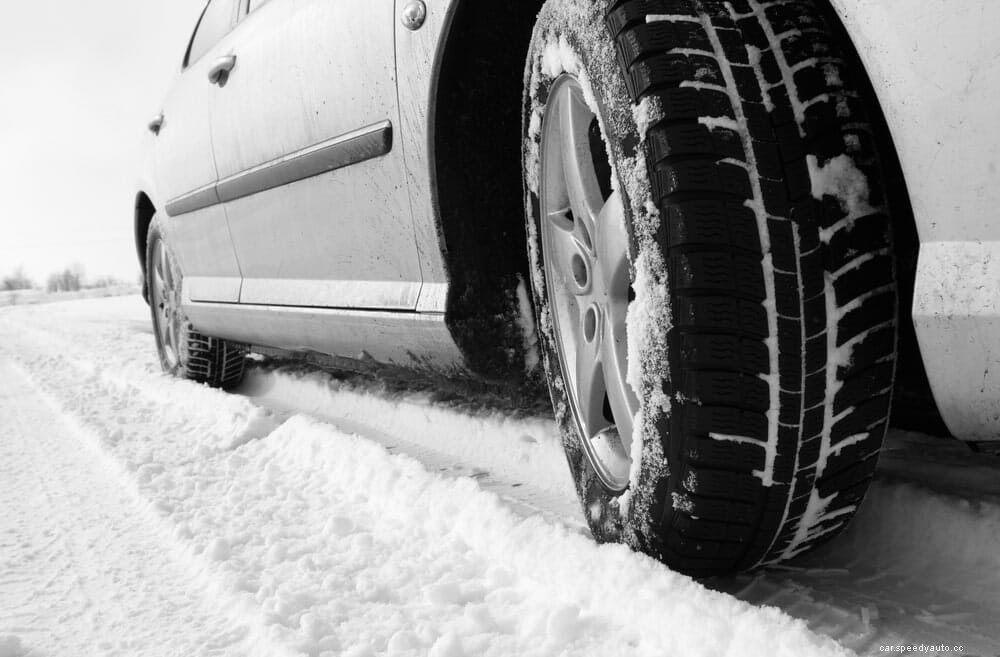
Leaving your winter tires on all year may not be a good idea if your region has hot summers. Winter tires have softer and deeper treads to offer better traction on snow.
This softer tread can wear down quickly on warm pavement and may overheat, which can damage the tire. If you live in an area with hot summers, it’s probably best to switch your winter tires to regular tires once the temperature rises above 50 degrees.
Snow tires are good on ice because they have a softer rubber compound that can maintain flexibility in chilly climates. The deeper tread can also help you stop and turn better in icy conditions.
You should put snow tires during winters when the temperature drops below the freezing point of water. You can also put them on in the fall when the temperature starts to drop.
And if you live in a colder region where the temperatures stay below 45 degrees for most of the year, you may want to keep your snow tires on until the temperatures start to rise.
On when to remove them; most people take their snow tires off during the spring when the temperature rises.
There are several things that can happen if you drive winter tires in the heat. The first is that the tires can wear down quickly. This is because the softer tread can flex more, which generates heat and wears down the rubber compound.
Snow tires can also be noisier than regular tires, and their soft rubber compound can cause them to bounce more on bumpy roads.
Another thing that can happen is that the tires can overheat. This can damage the tire and may lead to a blowout. It’s important to keep an eye on your tires if you’re driving in hot weather and be sure to stop and take a break if you see any signs of overheating.

You can drive summer tires in 40 degrees weather, but it’s not recommended. Summer tires are designed to work best at temperatures above 50 degrees. Driving them at lower temperatures can cause them to wear down more quickly and may lead to a loss of traction.
If you have to drive summer tires in colder weather, be sure to adjust your driving according to the conditions. Slow down, take it easy, and be aware of the possibility of losing traction.
Snow tires are made with a softer rubber compound that can maintain flexibility in chilly climates. They also have deeper treads to offer better traction on snow.
Experts recommend switching to all-season tires when the temperature rises above 50 degrees. This is because the softer tread of a snow tire can wear down quickly on warm pavement and may overheat, which can damage the tire.
Snow tires are also noisier than regular tires, and their soft rubber compound can cause them to bounce more on bumpy roads. Another thing that can happen is that the tires can overheat. This can damage the tire and may lead to a blowout.
It’s important to keep an eye on your tires if you’re driving in hot weather and be sure to stop and take a break if you see any signs of overheating.
