
Just back from a stay-cation / the garden / Netflix binge? (Hope you had a lovely time!) If you missed August’s EV news – or you just want to relive the glory – then it’s time to make a cup of tea and catch up with the DriveElectric roundup. This time there’s honey bees, probably more IONIQ news than you bargained for (!) , and good news for London residents in the form of more car-free streets, and free EV charging from ubititricity on September 9th (for World EV Day!).
Sounds interesting? We hope so! Let’s dive into the roundup: (Thanks for reading!)
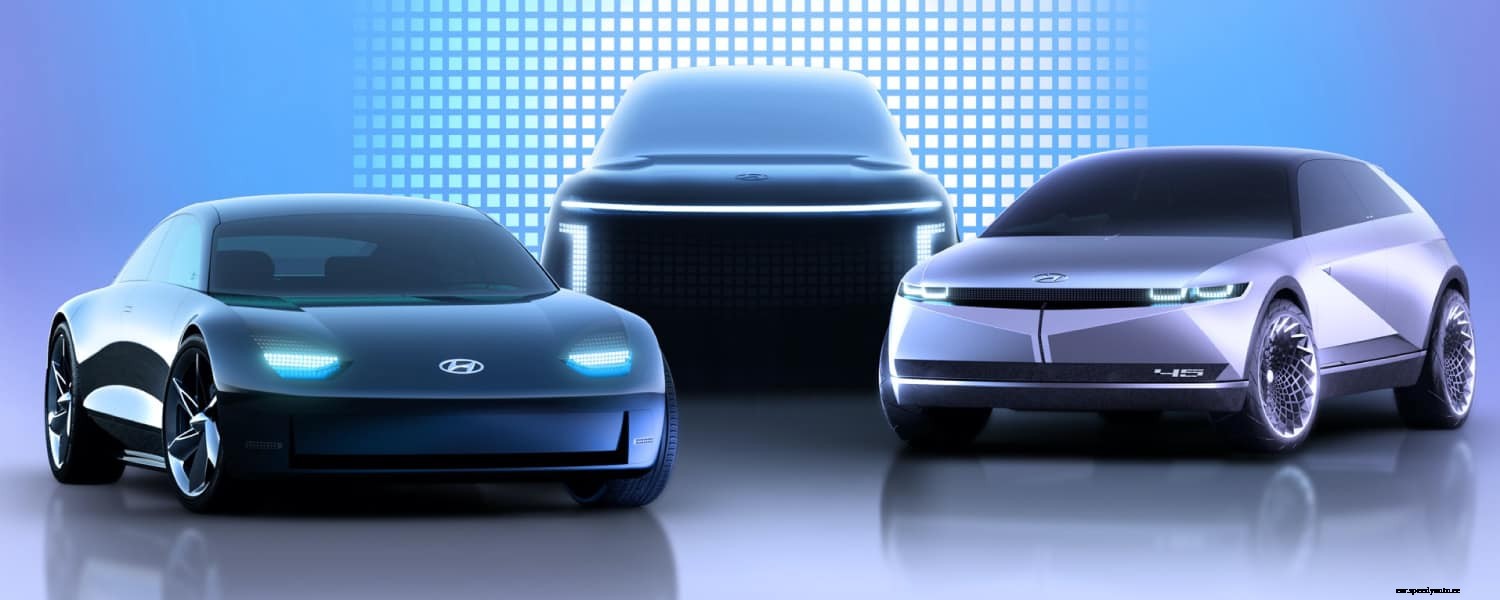
Hyundai announced Monday morning in South Korea that a new ‘IONIQ’ brand will produce an entire family of fully electric vehicles. Include production models based on the Prophecy sport-sedan concept and retro-styled 45 EV concept.
Last month Tesla outsold Hyundai’s own electric cars in South Korea. Hyundai said the creation of the brand “is in response to fast-growing market demand and accelerates Hyundai’s plan to lead the global EV market.”
by Amanda Rosa
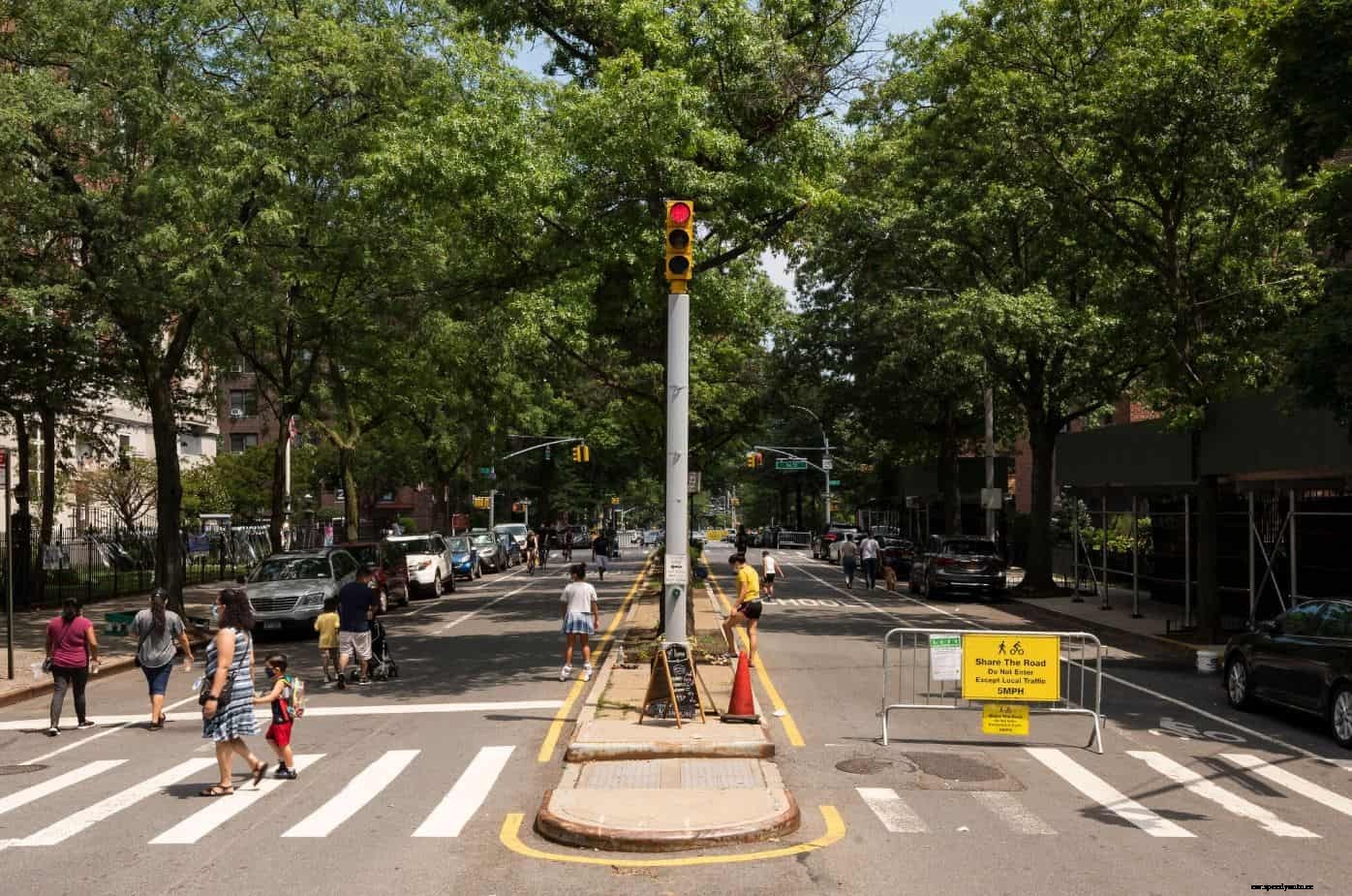
At the start of the coronavirus crisis, traffic dried up, prompting the closure of more than 70 miles of roadway to cars and trucks for New York’s Open Streets program. That made extra room for socially distant walking, biking and outdoor dining… But it’s all temporary.Some New Yorkers say now is the time to make long-lasting changes by creating more public space and reducing real estate for cars.
“You’re reimagining your city’s open spaces in a way that it feels like it belongs to people on foot and on bikes,” City Councilman Brad Lander of Brooklyn. “It feels, in my opinion, like a crusade for a more sustainable city.”
(This story reminded us of Dan Caesar’s Fully Charged Show article we shared last month ‘Will the cities of the future be Fully Charged cities?’ – it’s looking like there is a conversation to be had about this – and maybe cities will take this opportunity to reevaluate and reduce air pollution.)
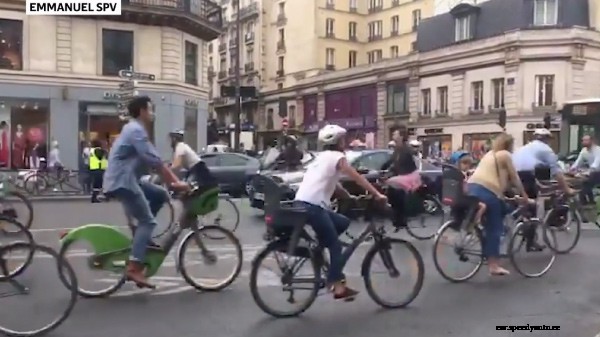
Paris Officials created 400 miles of cycle lanes temporarily in the city and closed one major shopping street to cars in April (& scheduled to remain closed until the end of summer!) to allow more room for cyclists and pedestrians once lockdown lifted. This video shows the popularity of temporary cycle lanes in Paris’ city centre, which were opened in May to help people get around while trying to keep public transport use down.
In May in London pavements had been widened in some shopping hotspots in reparation for re-opening. Temporary cycle lanes were also introduced and some larger parks closed to through traffic at weekends. TfL are scheduled to review these changes and they could become permanent.
Does it seem odd to share this as a car leasing company? We don’t think so, we are all citizens of the world and everyone should be able to breathe clean air and travel as safely as possible. Some journeys you need a car for, some you don’t. Walking or cycling when possible are better for your health exercise-wise than sitting in a car, and switching to bikes/scooters/getting around in your jazzy trainers all helps reduce pollution in our towns and cities – and that’s ideal in our book.
A new study has shown air pollution threatens honey bees. Air quality news reports:
“Whether it’s exhaust fumes from cars or smoke from power plants, air pollution is an often invisible threat that is a leading cause of death worldwide”
“If air pollution can harm human health in so many different ways, it makes sense that other animals suffer from it too. Airborne pollutants affect all kinds of life, even insects. In highly polluted areas of Serbia, for instance, researchers found pollutants lingering on the bodies of European honeybees. Car exhaust fumes are known to interrupt the scent cues that attract and guide bees towards flowers, while also interfering with their ability to remember scents.”

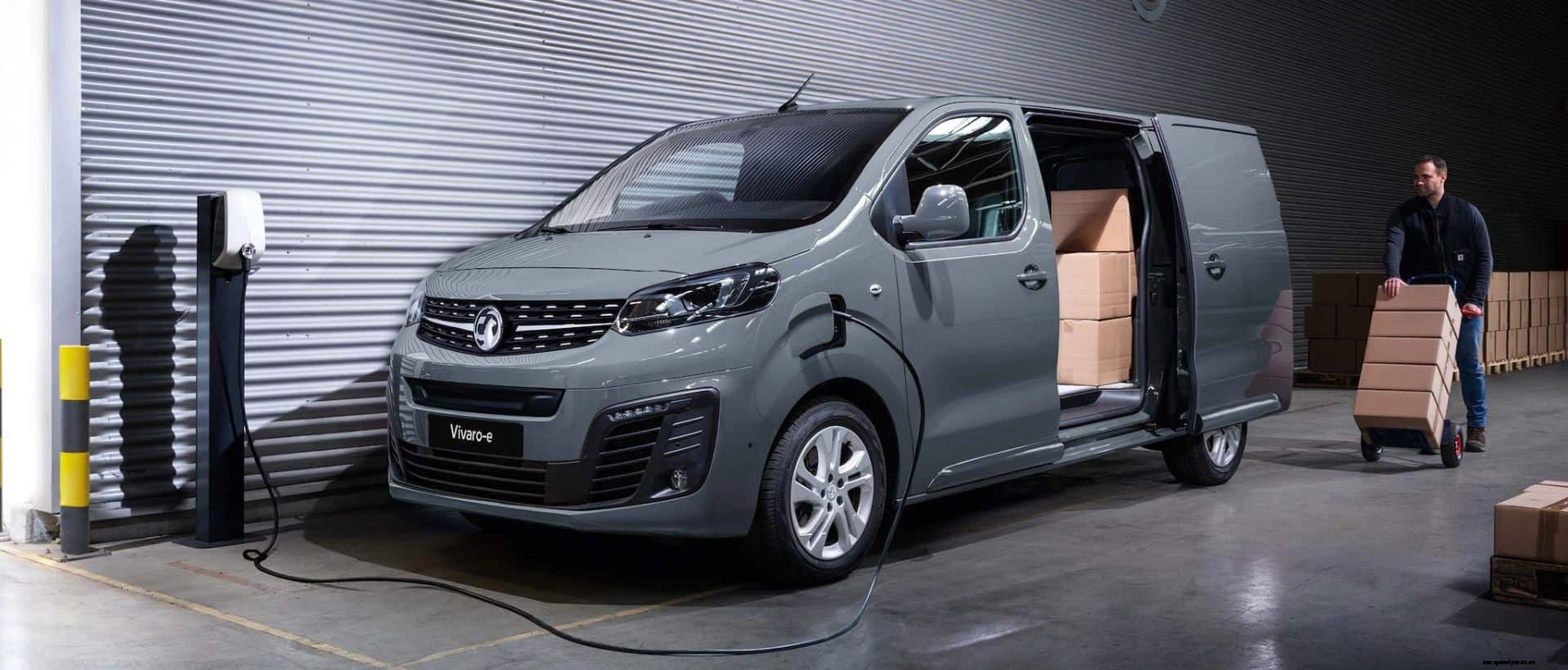
Some great news for Van drivers who haven’t been able to go electric yet – there are 3 new all-electric mid-size commercial and passenger vans on the way from Groupe PSA brands; Citroën, Vauxhall and Peugeot.
This electric line-up will be available in more length and seating configurations than you can shake a stick at – and more good news is that the XL length models will be long enough to fit a sheet of plasterboard in. So more van drivers will now have the opportunity to reduce their carbon footprint without compromising on functionality and load space.
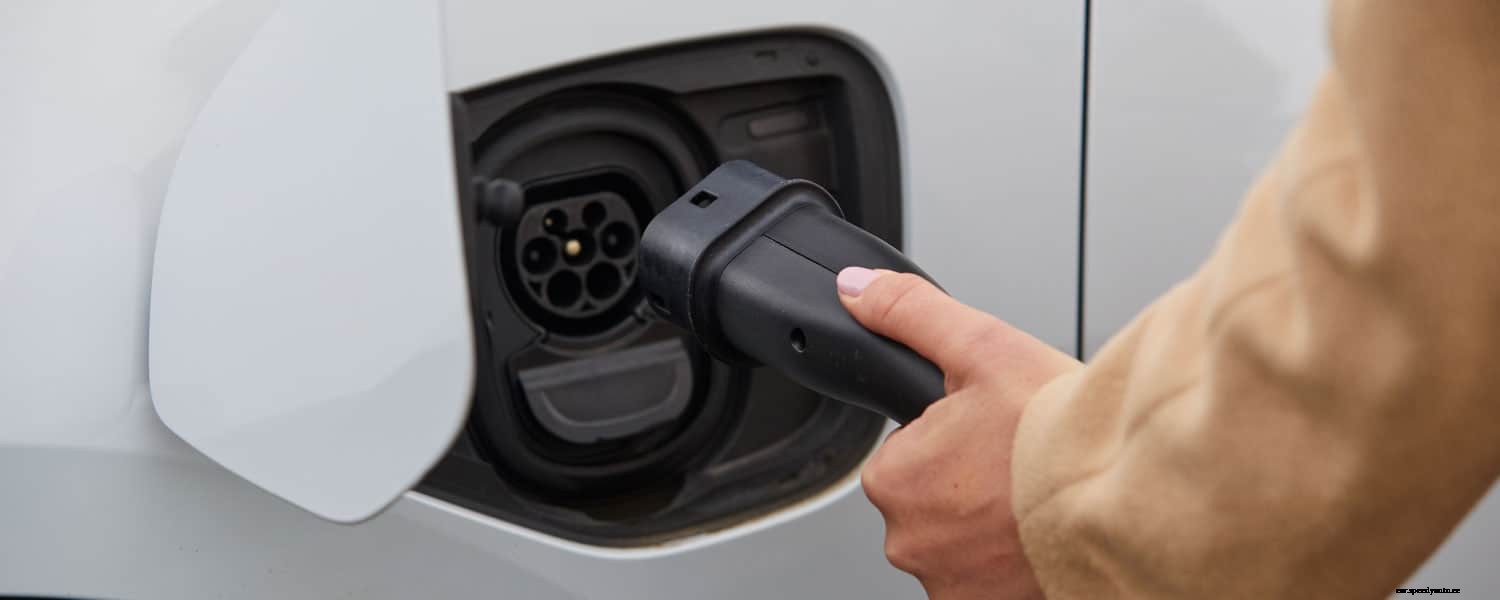
In this post we took a look at our EV charging ecosystem to answer some of your top charging questions.
Here in the UK, over 90% of electric vehicle (EV) charging is done at home. This is usually the cheapest and most convenient way of charging up, but sometimes we need to rely on public charging stations to top up our batteries.
Thankfully, the UK’s charging network is better than ever and constantly improving. From electric car charger home installation to supermarkets offering free charging while you shop, we’re here to help you figure out charging up both at home and on the road.
With ‘Second Hand September’ just around the corner it was good to see this piece about The REALITY aluminium project from JLR.
Green Car Guide writes: “Research by Jaguar Land Rover has revealed how an innovative recycling process could upcycle aluminium waste from drinks cans, bottle tops and end-of-life vehicles into the premium cars of the future and reduce production CO2 emissions by up to 26 per cent.
The REALITY aluminium project is a key part of Jaguar Land Rover’s Destination Zero mission to reduce carbon emissions and its ambition to make societies safer and environments cleaner.”
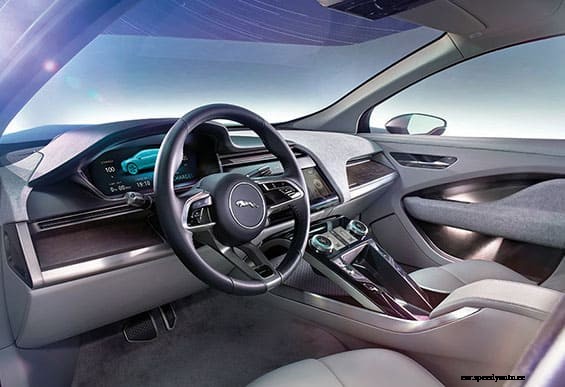
We didn’t think we had talked enough about the Hyundai IONIQ in this roundup yet. (We’re fans!) So here’s a recent video from the Fully Charged Show hosted by Rory Reid, looking at the 2020 model.
Just a few highlights from the video: The New IONIQ has a new (and bigger battery), a new improved electric motor, 30% more driving range, and a shiny new button that operates Hyundai’s VESS (vehicle engine sound system – which plays a futuristic engine sound to warn pedestrians you’re approaching! Fancy). Rory also mentions the IONIQ’s good sized boot, which is bigger than the Nissan LEAF’s and the Tesla Model S too (we didn’t know that!).
ubitricity charge points are found inside lampposts in urban areas where off-street parking isn’t really a thing. There’s one on our local high street in fact! To do their bit to accelerate EV adoption on the 9th of September, electric vehicle drivers will be able to top up their cars, for free, as part of FREECHARGE for World EV Day. Any car plugged in to a public ubitricity charging station in the UK between 00:01 and 23:59 on the 9th September will receive their charge session at zero cost. That’s pretty generous, thanks ubitricity!

March
April
May
June
July
August (you are here)
September
Best bits of 2019 (Part 1)
October
September
August
July
June
April
March
February
January
November
October
September
June (Fully Charged LIVE)
July
